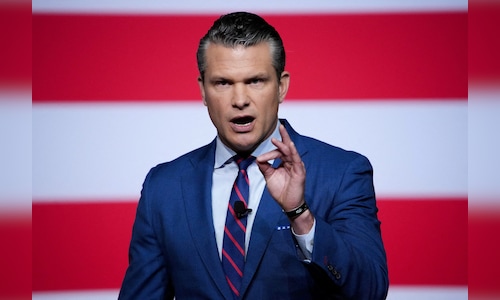
Addressing reporters alongside high-ranking military officials, Hegseth characterized the initiative against Iran as “a gift to the world” and cautioned that the era of “free-riding” by allies has ended. He emphasized that the responsibility for securing vital energy routes should not rest solely on Washington, adding that the Hormuz chokepoint is “more a concern for Europe and Asia than for the U.S.”
“Our blockade is expanding and becoming global,” Hegseth remarked, noting that Iran had a chance to negotiate a “good deal” with the United States but missed that opportunity.
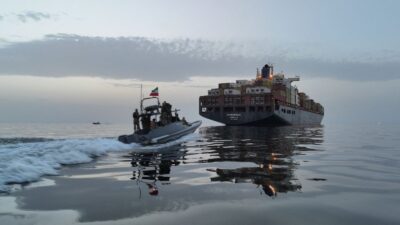
He asserted that no vessel would be permitted to move from the Strait of Hormuz to international markets without the U.S. Navy’s approval, highlighting that 34 ships have already been turned away from this route.
These statements come amidst rising tensions in West Asia and ongoing worries about energy supply chains, as the Strait of Hormuz remains a crucial route for global oil and gas shipments.
Also Read: Iran defends India, mocks Trump over ‘hell-holes’ remark: ‘Kabhi aa ke dekho, phir bolna’
The briefing followed recent diplomatic developments, including an extension of the temporary truce between Israel and Lebanon, and a broader, albeit tenuous, ceasefire involving Iran, as previously announced by Donald Trump.
(Edited by : Sheersh Kapoor)