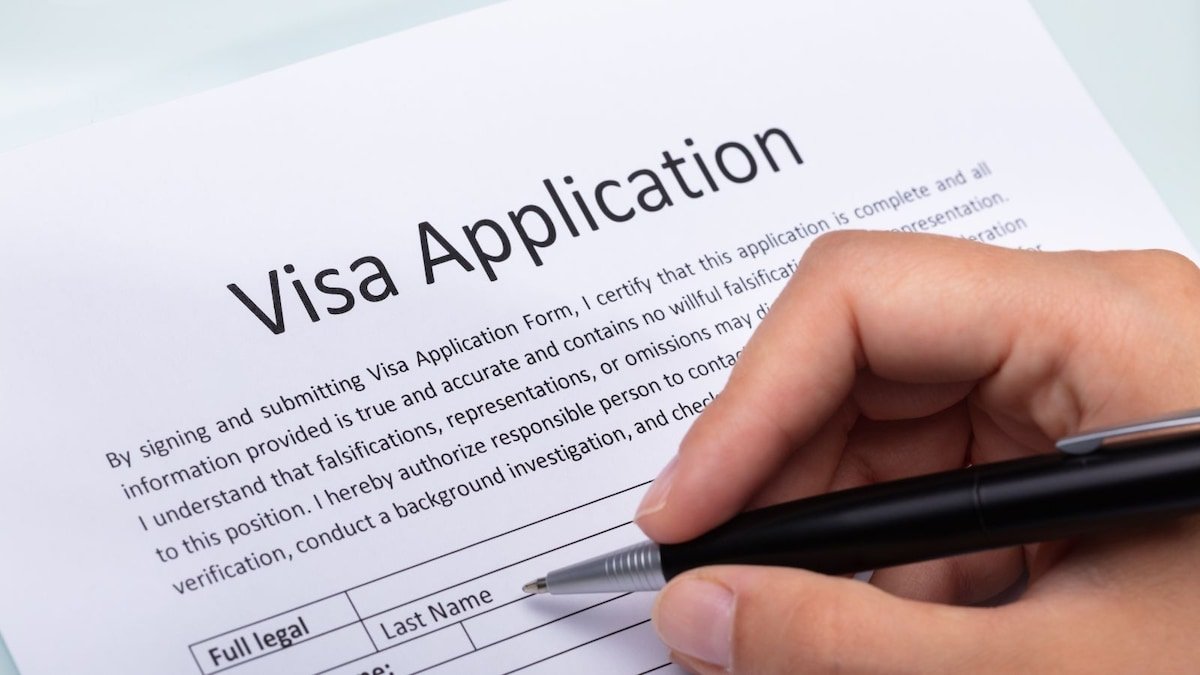
Indian nationals represent a major portion of H-1B employment visa recipients, accounting for 71 percent of all successful applicants in the fiscal year 2024.
The Department of Homeland Security has suggested the removal of the 60-day grace period, which permits H-1B workers and some other legal nonimmigrants to stay in the US after their employment terminates while they seek a new sponsor, change their status, or arrange to leave the country.
“Abolishing the current 60-day grace period entirely constitutes a serious setback that adversely affects legal immigrants who have played a crucial role in the technological and economic leadership of the United States,” stated Ajay Jain Bhutoria, a former White House advisor.
American attorney Adrian Pandev pointed out that all start-up founders resign from their corporate positions and utilize the 60-day grace period to submit change of status petitions for their new enterprises.
“In its absence, employees may be motivated to conceal their situations from their current employer until the new petition is filed or even approved. This means the current employer could discover they’re losing a team member with very little warning,” Pandev remarked in a post on X.
“This would affect both US employers and employees,” he added.
Bhutoria criticized the Department of Homeland Security’s proposed policy: “Abolishing the 60-day grace period is both inhumane and impractical. When a worker experiences unexpected termination, 60 days is already alarmingly brief. Removing this protection entirely leaves thousands of law-abiding individuals with no time to organize their lives,” he emphasized.
Also Read: Asian stocks rise as Nikkei, Kospi rally on weak US jobs data
He called upon South Asian community organizations, business leaders, and advocacy groups to prepare public comments once the rule is officially released in the Federal Register to ensure the administration understands the full consequences of this proposal.
While serving as an advisor to then-President Joe Biden, Bhutoria had proposed extending the grace period from 60 days to 180 days, noting the practical realities of corporate hiring practices, where technical interview processes and visa transfer documentation frequently take months to finalize.
“This proposal strikes at the core of the South Asian immigrant community and skilled workforce. I strongly urge DHS and the administration to retract this proposal immediately and instead adopt a compassionate, thoughtful 180-day grace period that honors human dignity and bolsters America’s competitive advantage,” Bhutoria stated.
He indicated that hundreds of thousands of South Asian professionals in tech, healthcare, and engineering hold H-1B status, and the removal of the grace period would result in immense psychological distress, financial hardship, and disruptions in the education of children raised in the US.