As of the end of 2025, Google LLC held a 6.11% stake in Elon Musk’s venture, based on a recent disclosure filed this week in Alaska, where companies are required to report stakeholdings of 5% or more. With SpaceX aiming to surpass a $2 trillion valuation in its initial public offering, such a stake would amount to $122 billion.
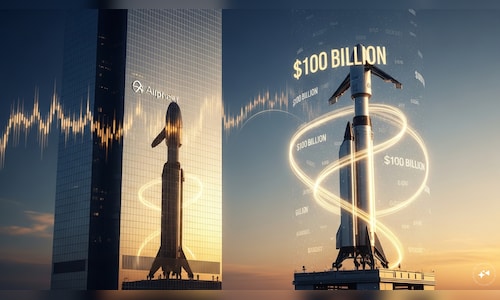
Google’s ownership has likely been diluted following the February merger of SpaceX with xAI, Musk’s AI and social media enterprise. Post-merger, it is estimated that Google now owns approximately 5% of SpaceX, according to Bloomberg estimates, which would translate to around $100 billion at a $2 trillion IPO valuation.
Although Google has previously acknowledged its stake in SpaceX, the specific size had not been disclosed until now.
In the filing, Google and Musk—who holds a roughly 40% stake—were the only parties required to reveal their holdings, but numerous other individuals and organizations stand to gain billions from the IPO. SpaceX has confidentially filed to go public, targeting a June listing, and is projected to raise as much as $75 billion, potentially making it the largest IPO in history, as previously reported by Bloomberg. If the company reaches a $2 trillion market valuation, even a 0.05% stake could elevate a shareholder to billionaire status overnight.
The IPO would further cement Musk as the world’s first trillionaire and enhance the fortunes of long-time executives, including President Gwynne Shotwell. Early investors are expected to see significant returns, and even those who invested five years ago are likely to be pleased with the outcome, according to PitchBook senior research analyst Franco Granda, who specializes in SpaceX.
“Investors who entered in 2021 will likely experience life-altering returns, if not career-defining ones,” Granda noted. “So, if you missed SpaceX in the 2010s but managed to invest before 2021, you’re probably multiplying your returns by 20.”
Founded in 2002, SpaceX achieved unicorn status after just eight years—a remarkably swift timeline, particularly for a company engaged in complex aerospace endeavors, Granda said.
Google first invested in SpaceX in 2015, collaborating with Fidelity Investments in a $1 billion funding round that valued the company at $10 billion and secured them a 10% stake. Fidelity’s current stake remains unclear, aside from a few positions disclosed by individual funds.
Google and Fidelity have opted not to comment. SpaceX did not respond to requests for comment.
Both Musk and Google have faced ownership dilution over time due to secondary share sales. In 2020, SpaceX’s disclosure of its largest shareholders in Alaska indicated that Google owned 7.64% and Musk held 47.11%. The venture capital firm Founders Fund, which was SpaceX’s first institutional investor in 2008, owned 7.77% at that time.
Founders Fund was last reported to own 5.76% of the company in December 2023 and has since dropped below the 5% reporting threshold. A spokesperson for the fund declined to comment.
Wealth creation
Although Alphabet does not publicly disclose its ownership in SpaceX, it does report unrealized gains from private company investments in its earnings releases. In the first quarter of 2025, Alphabet recorded an $8 billion profit increase from a company identified by Bloomberg as SpaceX, concluding the year with $24.1 billion in net gains on equity securities, largely linked to its private holdings. Alphabet is set to announce first-quarter earnings on April 29.
SpaceX filed its 2026 biennial report on April 11, which was made available online this week. The report, which was due at the start of the year, incurred fees of nearly $250 for its tardiness—not a substantial penalty for a company anticipated to generate approximately $20 billion in revenue this year, according to Bloomberg Intelligence.
While details beyond Google’s and Musk’s holdings were not specified, PitchBook’s Granda expects the IPO to be a significant windfall for many investors and long-term employees loyal to the company. However, there is a risk of a talent exodus if they opt to cash out or pursue their own ventures, he noted.
“A major question I have is what will happen to middle management, given that SpaceX operates as a very lean organization, and some upper management may find they no longer need to work to support themselves post-IPO,” Granda remarked. “This could create opportunities for the venture market.”
Beyond its employee base, some of the company’s directors may also possess their own 10-figure fortunes, akin to Nvidia Corp., where three board members have become billionaires as the chipmaker’s stock has surged.
Since 2015, Google has had representation on SpaceX’s board through Donald Harrison, the company’s president of global partnerships and corporate development. Luke Nosek, a co-founder of PayPal with Musk and instrumental in the Founders Fund investment, has served on the board since 2008. He later departed to establish Gigafund, which has invested an additional $1 billion into SpaceX since July 2017, as noted on its website.
Steve Jurvetson, another long-standing board member, recently invested over $175 million in properties on the Nevada side of Lake Tahoe.