
The rise of AI-driven data centers is transforming global investments, yet increased concerns regarding water usage, energy consumption, and local effects are sparking opposition in the United States and various regions in Europe.
3 Min Read


 1 / 8
1 / 8Increasing Local Resistance: In the U.S., data centers are becoming a major “Not In My Backyard” issue, with communities resisting developments they perceive as resource intensive with insufficient long-term benefits. A report from Data Center Watch highlights that proposals worth $64 billion faced delays or cancellations from May 2024 to March 2025 due to community protests and regulatory hurdles, indicating a growing rift between developers and locals.

(Photo Credit : Canva)
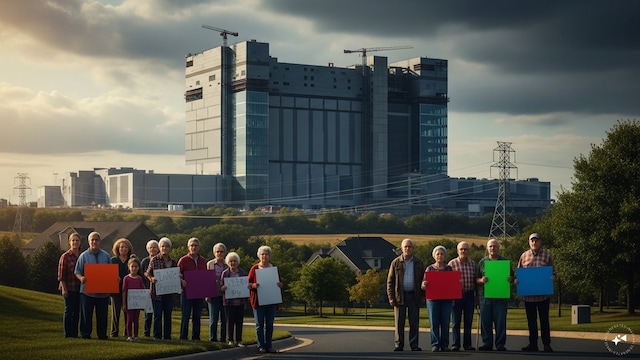
2 / 8Concerns Among Residents: The opposition stems from worries about increasing electricity pricing, high water usage, tax breaks for developers, and a lack of sustainable jobs after the centers are operational. Even though construction provides temporary jobs, once they are running, fewer workers are needed. This situation has led locals to question if the economic advantages outweigh the strain on local resources and infrastructure.
(Photo Credit : Canva)
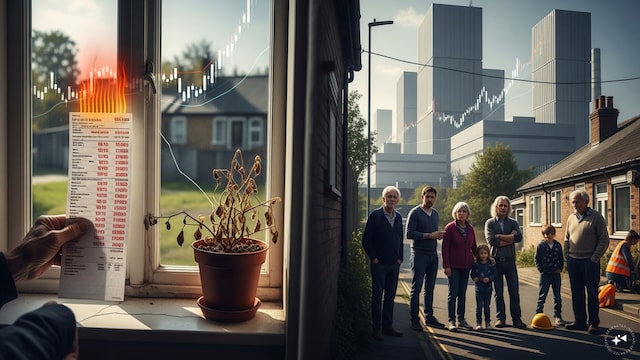
3 / 8Virginia’s Warnings: As the largest data center hub globally, Virginia is witnessing a noticeable shift in public opinion, with support plummeting from 69% in 2023 to 35% in 2026, highlighting increasing worries about the sector’s consequences. This change indicates that even well-established centers are facing deeper scrutiny as the repercussions on local infrastructure and resources become more apparent.
(Photo Credit : Canva)
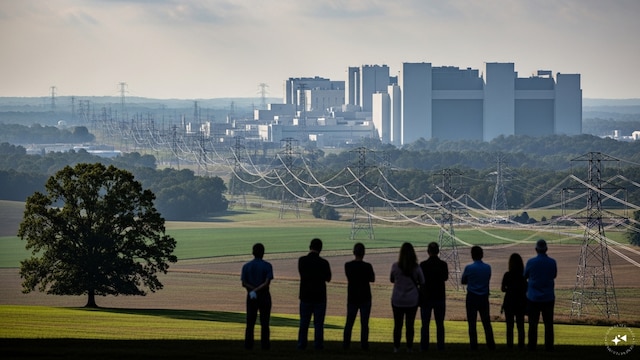
4 / 8Energy Consumption and Heat Management: AI technologies rely on advanced chips that necessitate substantial electricity and produce significant heat. One chip can draw as much as 700 watts, equating to the demand of a household appliance when several chips are in use. To offset this heat production, data centers implement large-scale cooling mechanisms, thereby elevating their overall energy and resource footprint.
(Photo Credit : Canva)
5 / 8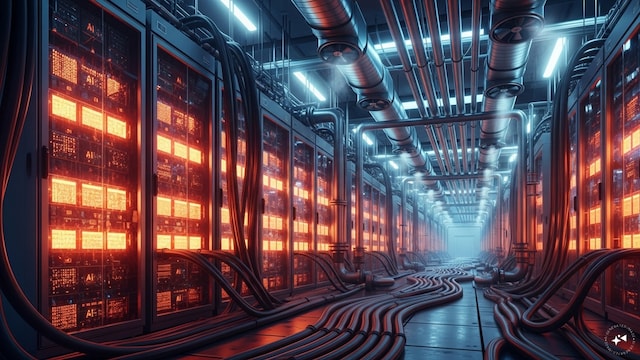
(Photo Credit : Canva)
6 / 8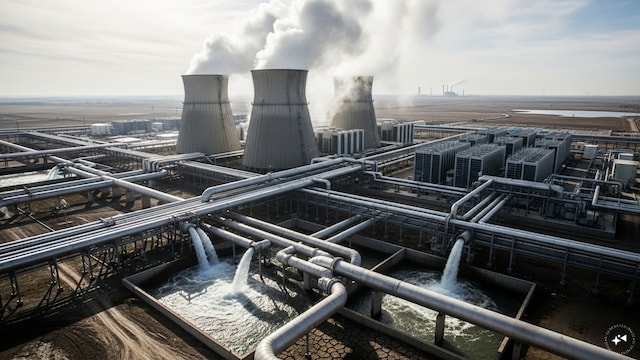
(Photo Credit : Generated image)
7 / 8
(Photo Credit : Generated image)
8 / 8