Sources informed PTI that the government requested Meta to implement specific measures and report on the results.
Officials plan to maintain regular follow-ups with the company regarding its progress, sources indicated.
A major topic was the ongoing issue of AI-generated harmful content that continues to circulate virally, even after being flagged. The government also challenged Meta on the presence of unlabeled AI-generated videos on its platforms, despite IT rules mandating the identification and labeling of synthetic content, sources noted.
The government urged Meta to enhance human oversight in content moderation, with a better understanding of Indian languages and local contexts.
An additional meeting is anticipated in the coming week, the sources stated.
During the first two days of discussions, IT Minister Ashwini Vaishnaw interrogated Meta’s team, led by global affairs head Joel Kaplan, regarding content recommendation algorithms and compliance with local laws. Day three focused on “technical” matters, examining the measures the company proposed to alleviate the government’s concerns.
Meta elaborated on how its systems operate and presented its strategies for addressing issues related to deepfakes, child sexual abuse material (CSAM), and bot accounts. The company assured the government that it has solutions ready to tackle these issues and explained the proposed deployment methods.
Government sources emphasized that the goal was not censorship but ensuring the company’s adherence to Indian laws.
Earlier, sources mentioned that the company recognized “serious issues” and committed to ongoing actions to resolve them.
The government will persist in urging the company to undertake sustained actions and improvements to address its various concerns, they added.
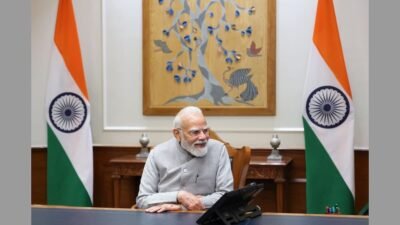
Meta’s global team met with Vaishnaw and IT Secretary S Krishnan on both days, following the government’s summons regarding the temporary restriction of Prime Minister Narendra Modi’s Facebook post.
On Thursday, the Meta team was questioned about its compliance with Indian laws and the algorithmic issues that ensure constitutional and legal standards are followed.
The social media company assured that it is genuinely committed and “working diligently” to address concerns related to deepfakes, child sexual abuse material, bots, and synthetic content.
On Wednesday, Meta issued an apology for the temporary removal of Modi’s post, as well as for various failures including child sexual abuse content and boosting specific posts for monetary gain, as government sources reported previously.
Kaplan stated in a written statement on Wednesday that he “apologised to the minister on behalf of Meta for the error restricting PM Modi’s post,” while some government sources, wishing to remain anonymous, claimed the apology came from CEO Mark Zuckerberg.
A Parliamentary Standing Committee had also requested an apology from Zuckerberg regarding the removal of Modi’s Facebook post, warning in a letter that protections and immunity could be rescinded if no apology was received within three days.
Modi initially shared the selfie video on Instagram, which was later posted on Facebook but subsequently restricted by the platform. Meta later restored the post, attributing the removal to an error in AI-driven automated content filtering, and issued an apology.
According to government sources, Vaishnaw explicitly asked Meta on Wednesday whether the company accepts payments to promote content that could incite public disorder. The government cited provisions of Section 79 of the Information Technology Act to Meta officials, clarifying that non-compliance with intermediary obligations risks the company’s Safe Harbour protection.
Last month, the government also issued a notice to Meta concerning alleged child sexual abuse material in paid advertisements on Instagram, and the recent meetings have focused on pressing issues such as child sexual abuse material, deepfakes, safeguards for verified accounts, algorithmic bias, and compliance with Indian laws.