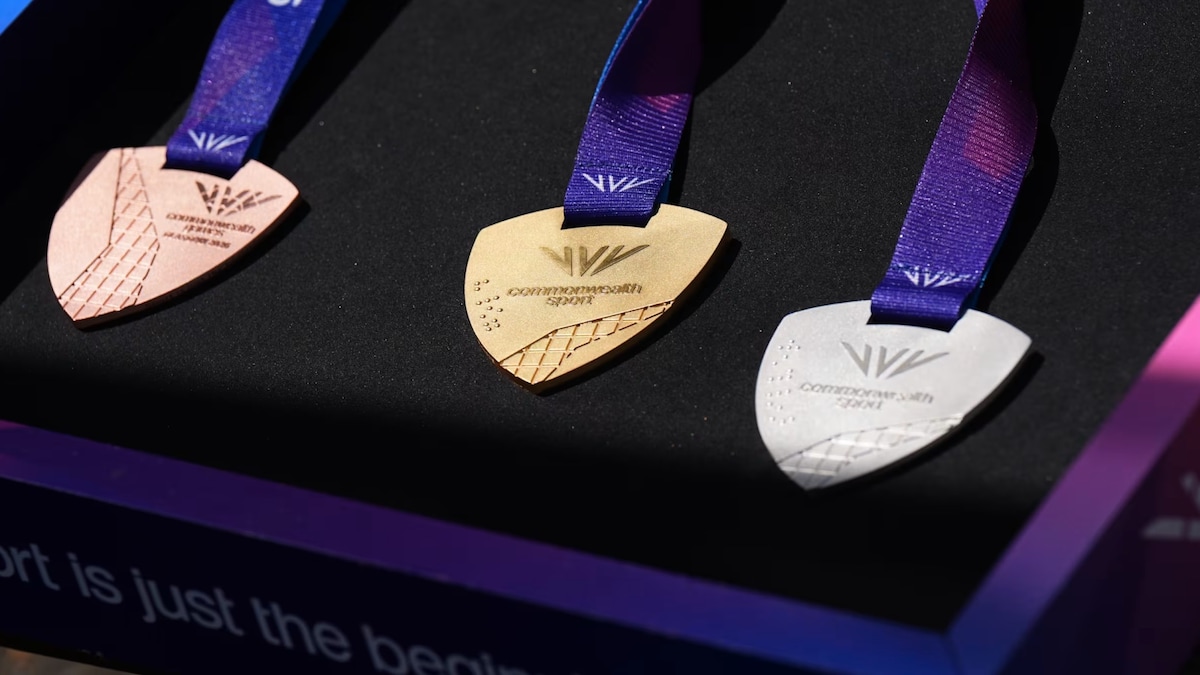
The Games, commencing on July 23, will showcase only 10 sports, down from 19 in the 2022 Birmingham edition, resulting in the exclusion of several disciplines that typically contribute significantly to India’s medal count.
The most notable omissions are badminton, cricket, hockey, squash, table tennis, wrestling, triathlon, beach volleyball, and rugby sevens. The removal of these events has a considerable impact on India’s medal prospects, with 30 of the country’s 61 medals at the 2022 Commonwealth Games coming from sports now eliminated.
India secured fourth place in the medals table in Birmingham with a team of 210 competitors across 16 sports. Almost half of that medal tally was achieved in disciplines not featured in Glasgow, while about 47 percent of the athletes who represented India in 2022 competed in sports that have now been cut.
The streamlined format of the Games is mainly due to financial constraints.
The 2026 Commonwealth Games were initially awarded to Victoria state in Australia, but the hosts withdrew in 2023 amid rising costs. Glasgow stepped in with under three years for preparations, choosing a more compact version of the event that leverages existing venues and infrastructure instead of constructing a dedicated athletes’ village.
Consequently, the competition will be confined to athletics, swimming, track cycling, weightlifting, 3×3 basketball, lawn bowls, netball, artistic gymnastics, judo, and boxing. Para events will be organized in athletics, swimming, track cycling, weightlifting, lawn bowls, and 3×3 basketball.
India’s challenge is further complicated by varied performances in the remaining medal events. While boxing, judo, and weightlifting brought home a total of 20 medals in Birmingham, athletes in these sports have had inconsistent results on the global stage since then.
The nation will also miss several of its top sports stars, including PV Sindhu, Manu Bhaker, Harmanpreet Singh, and Aman Sehrawat, whose respective sports are not part of the Glasgow programme.
Despite the limited opportunities, India still has several strong medal prospects.
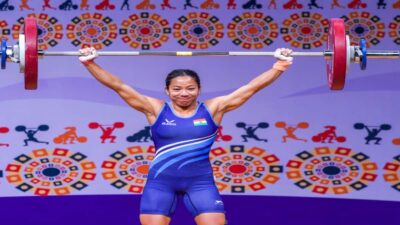
Olympic champion Neeraj Chopra will lead the athletics team and is anticipated to feature in one of the marquee events, potentially facing off against Pakistan’s Arshad Nadeem. Weightlifting champion Mirabai Chanu, Olympic bronze medallist Lovlina Borgohain, sprint talent Animesh Kujur, swimmer Srihari Natraj, and various para athletes are among India’s leading medal contenders.
The Glasgow Games also present a crucial opportunity ahead of the Asian Games later this year, as athletes seek to gain momentum before the continental competition.
While India is unlikely to replicate its tally of 61 medals from Birmingham due to the reduced programme, the Games still represent a significant chance for the nation’s athletes to showcase their skills. They also provide insight into the future, as India is set to host the next Commonwealth Games in Ahmedabad in 2030.