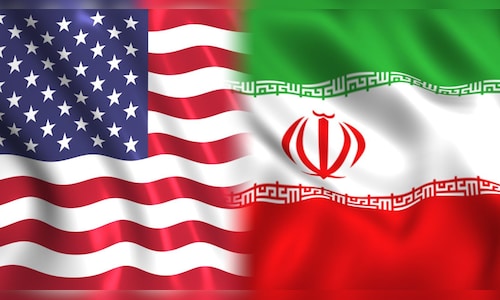
While Iran and the US have reached an agreement to conclude the war, the conflict may have initiated changes that could alter global energy dynamics, trade patterns, and economic stability…

 1/7
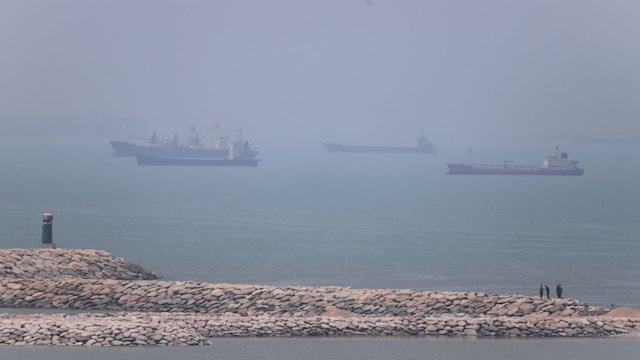
1/7The US-Iran conflict hampered oil shipments, unsettled markets, and nearly halted traffic in the Strait of Hormuz. Its most significant effects, however, may lie beneath the surface. The war not only disrupted the global system but also uncovered vulnerabilities that may affect policies and business strategies long after the hostilities cease. Here are six ways in which the war could transform the global landscape. (Image: Reuters)
 2/7
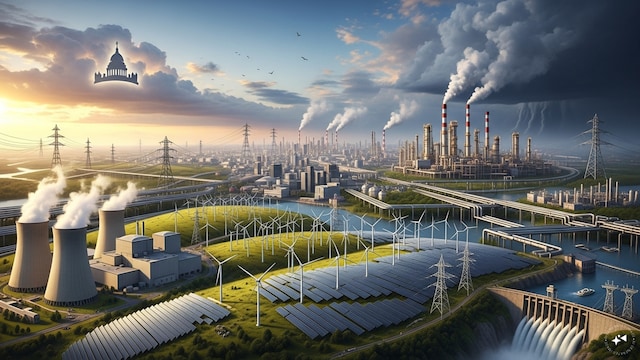
2/71. Energy security could gain prominence as a national interest | The war disrupted oil flows and demonstrated how quickly crises can impact fuel availability and economic performance. In response, nations may prioritize safeguarding their energy sources by investing more in strategic reserves, LNG infrastructure, nuclear energy, renewable resources, and domestic production capabilities.
 3/7
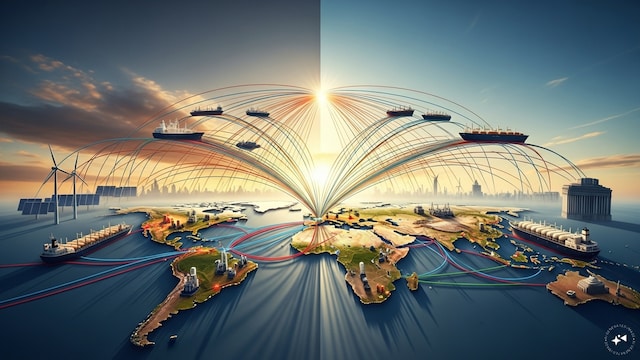
3/72. Countries might reassess their dependence on energy sources | Prior to the conflict, nearly 20% of global oil consumption transited through the Strait of Hormuz. The war underscored the dangers of over-reliance on a single area. Nations may now seek diverse suppliers and safer trade pathways, leading to new alliances and shipping routes designed to mitigate risk.
 4/7
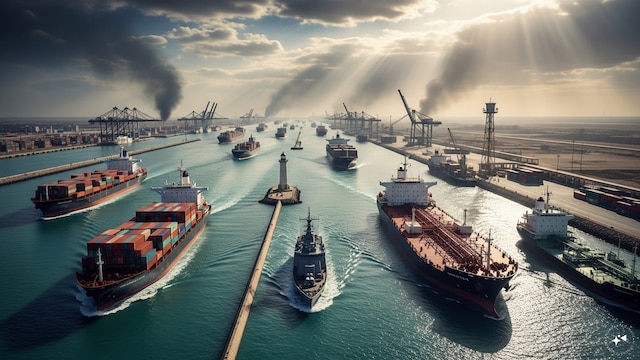
4/73. Strategic importance of shipping routes may increase | The conflict demonstrated that disruptions at critical maritime chokepoints can significantly affect global trade. There were slowdowns in tanker movements, rising insurance costs, and strain on supply chains. The security of vital shipping routes may now be a priority, leading to enhanced protection for sea lanes, ports, and trade corridors.
 5/7
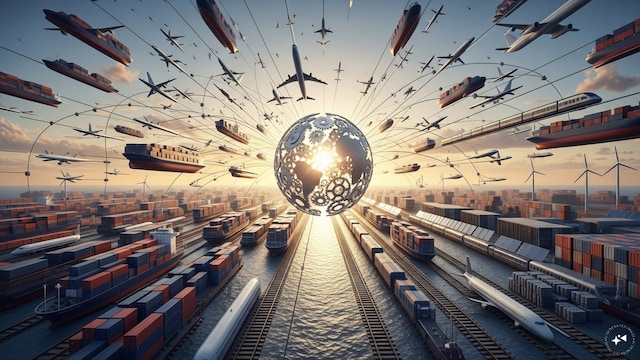
5/74. Globalization might transition from speed to stability | For years, supply chains prioritized cost reduction and rapid transport. The conflict highlighted the dangers of systems lacking backup options. Businesses may start amassing reserves and crafting alternative supplier networks. Dependability and resilience could take precedence alongside efficiency.
 6/7
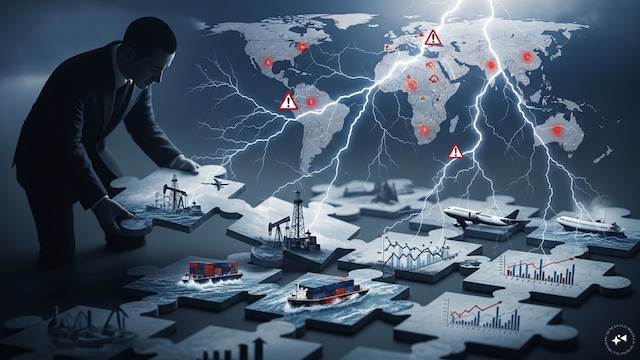
6/75. Geopolitical tensions may drive quicker economic shifts | The conflict influenced oil prices, freight rates, aviation routes, and inflation forecasts beyond the immediate area. Countries might increasingly link their foreign policies, security measures, and economic strategies in response to such tensions.
 7/7
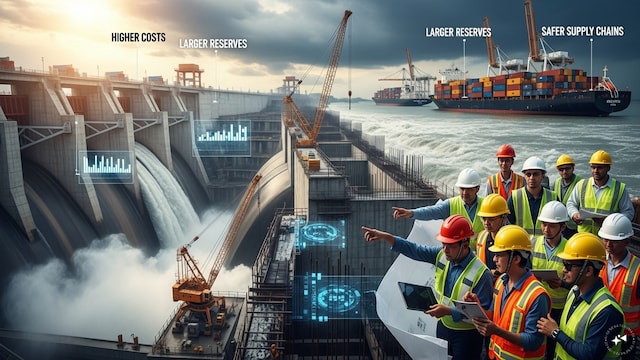
7/76. Creating resilience may involve increased expenditures | Enhancing infrastructure, expanding reserves, and securing supply chains demands more financial resources. Nations and corporations may opt for higher costs to ensure better protection against future shocks.