The Office for National Statistics reported a 0.1% decline in gross domestic product, following positive growth in the prior two months. This figure aligned with economists’ median forecasts.
A 0.2% drop in services countered the gains seen in manufacturing and construction.
Also Read: Tata Motors announces car and SUV price hike from July 1
These statistics suggest a sluggish second quarter as both businesses and consumers navigate the rising energy expenses and borrowing rates caused by the conflict in Iran.
This follows a robust first quarter where Britain recorded the highest growth among G7 economies. However, expectations of lower interest rates have shifted to predictions of hikes, and the initial surge in activity from businesses and households stockpiling to avoid price increases early in the conflict is starting to diminish.
The report supports the position of Bank of England policymakers, who seem hesitant to quickly implement interest-rate increases in response to the energy crisis stemming from the Iran war. The decision regarding potential rate hikes involves balancing inflation concerns with weak demand, with officials like Andrew Bailey appearing to prioritize the latter.
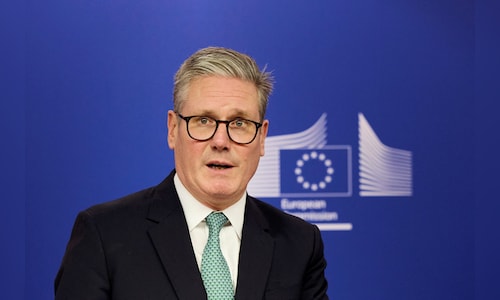
This slowdown also heightens the pressure on beleaguered Prime Minister Keir Starmer, who could face a leadership challenge in the near future.