 1 / 7
1 / 7For over nine decades, the FIFA World Cup has stood as football’s grandest spectacle, creating moments that span generations. Certain players have not only clinched titles but also revolutionized tournaments with their extraordinary performances. However, only a few have become inextricably linked to the World Cup’s history itself. With FIFA World Cup 2026 on the horizon, it’s a fitting moment to reflect on the athletes whose remarkable feats, impact, and unforgettable instances have significantly shaped the tournament’s legacy. (Image Source: Reuters)
 2 / 7
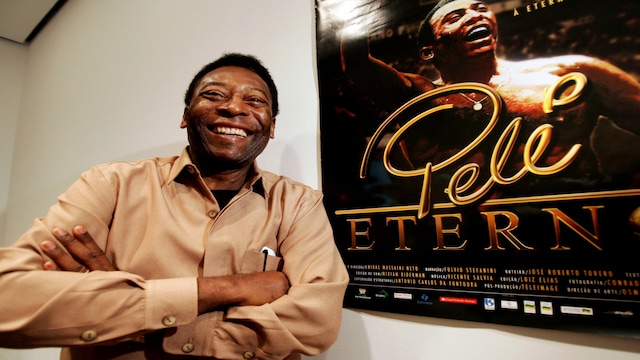
2 / 7Pele | No one has matched Pelé’s FIFA World Cup title haul; the Brazilian legend triumphed in 1958, 1962, and 1970, a record yet to be broken. During his World Cup tenure, Pelé netted 12 goals and became the emblem of football’s pinnacle event. His successes, spanning over a decade, propelled Brazil to become a powerhouse in international football. Pelé remains the yardstick against which all World Cup icons are gauged, with his legacy continuing to loom large over the tournament’s history. (Image Source: Reuters)
 3 / 7
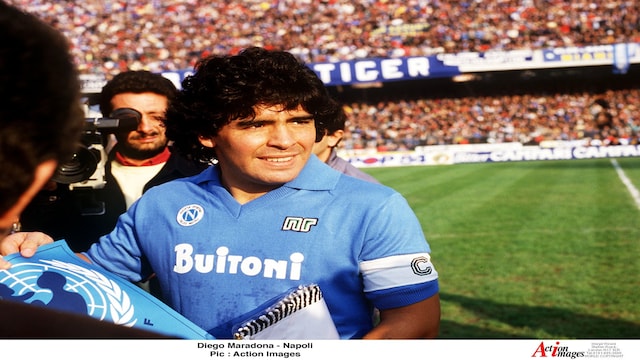
3 / 7Diego Maradona | Few performances in World Cup history have had the same impact as Diego Maradona’s in 1986. Over the course of four World Cups, the Argentine great registered eight goals and as many assists in 21 appearances. That tournament introduced two of football’s most iconic moments: the ‘Hand of God’ goal and the ‘Goal of the Century’ against England. Maradona led Argentina to glory, securing his status among the sport’s legends. Beyond stats, it was his ability to dictate an entire tournament that forever linked 1986 to his name. (Image Source: Reuters)
 4 / 7
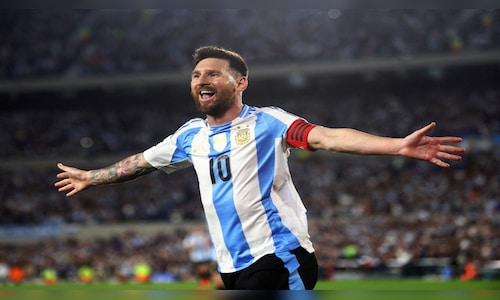
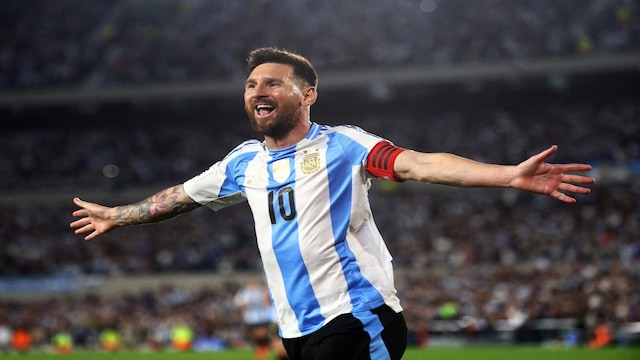
4 / 7Lionel Messi | After years of near misses, Lionel Messi finally fulfilled his football narrative by clinching the FIFA World Cup in 2022. Over his five World Cup appearances, the Argentine scored 13 goals, provided eight assists, and played in 26 matches. The victory in Qatar granted him the one major accolade that had evaded him. His outstanding performance throughout the tournament was pivotal in leading Argentina to triumph, effectively silencing one of football’s longest-standing arguments. (Image Source: Reuters)
 5 / 7
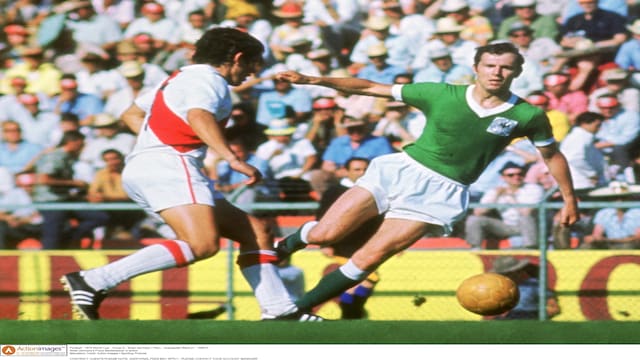
5 / 7Franz Beckenbauer | Franz Beckenbauer redefined the perception of defenders in football. The German legend captured the FIFA World Cup in 1974, added the European Championship in 1972, and secured three consecutive European Cups from 1973-74 to 1975-76. In three World Cup tournaments, he scored five goals, assisted once, and participated in 18 matches. Beckenbauer became a symbol of leadership, grace, and strategic acumen, reshaping the libero role in his time. His legacy extends well beyond victories, influencing how defenders manage games and direct play, marking his importance in football history. (Image Source: Reuters)
 6 / 7
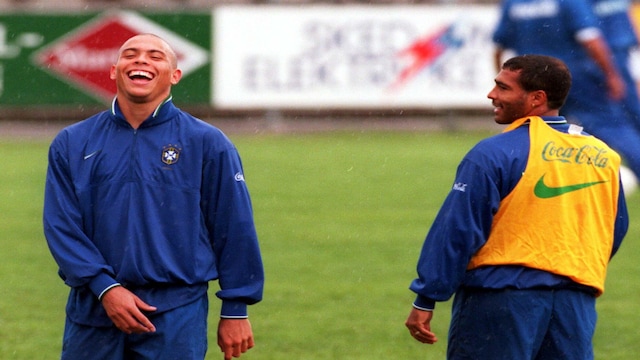
6 / 7Other Stars | The World Cup has always been a stage for players with the knack for delivering when it matters most. Ronaldo Nazário scored 15 goals across four World Cups and claimed titles in 1994 and 2002. Miroslav Klose became the all-time leading scorer with 16 goals in four tournaments, winning the World Cup in 2014. Kylian Mbappe has netted 12 goals in just two World Cups, including becoming only the second player, after Geoff Hurst in 1966, to record a hat-trick in a World Cup final. Together, they embody different eras of goal-scoring brilliance. (Image Source: Reuters)
 7 / 7
7 / 7Every era of the FIFA World Cup has birthed players capable of defining the tournament in distinct ways, from Pelé’s unparalleled achievements and Maradona’s legendary flair to Messi’s triumph and Mbappé’s ascent. Each athlete has left an indelible mark on the competition. Their legacies continue to influence how greatness is evaluated on football’s highest platform. As we look forward to FIFA World Cup 2026, their stories remind us that while tournaments may fade, true legends of the World Cup live on in the hearts and minds of football fans. (Image Source: Reuters)