
 1 / 10
Countries Tighten Travel Regulations | The Ebola outbreak in eastern Democratic Republic of the Congo (DRC) has led nations worldwide to enhance their border controls and public health strategies. Each country has taken varying steps, but the common goal is to minimize the risk of importing cases and bolster readiness. (Image: Canva)
 2 / 10
United States Strengthens Entry Protocols | The U.S. has implemented some of the strictest measures yet. Non-citizens who have traveled to DRC, Uganda, or South Sudan recently face entry bans. This also extends to green-card holders who have been in these nations within the last 21 days. Additional screening protocols are being enforced. (Image: Canva)
 3 / 10
Canada Halts Immigration Documents | Canada has put a temporary halt on immigration documents for foreign nationals from DRC, Uganda, and South Sudan. Travelers who possess approved visas or permits cannot enter Canada during this restriction, but immigration applications are still being processed. (Image: Canva)
 4 / 10
Bahrain Enforces Temporary Entry Restrictions | Bahrain has enacted a temporary ban for travelers arriving from DRC, Uganda, and South Sudan. This restriction also applies to individuals who have visited these countries in the past 30 days. Bahraini citizens are excluded but may encounter additional health checks upon arrival. (Image: Canva)
 5 / 10
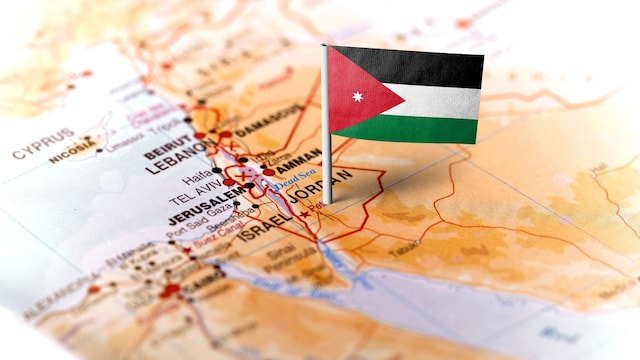
Jordan Tightens Border Regulations | Jordan has also implemented temporary entry restrictions related to the Ebola outbreak, focusing on travelers from affected areas. This measure is part of broader initiatives by regional governments to prevent imported cases. (Image: Canva)
 6 / 10
India Recommends Avoiding Non-Essential Travel | India has not enacted a travel ban but advises its citizens to refrain from non-essential travel to DRC, Uganda, and South Sudan. Health authorities have ramped up surveillance and readiness at airports and other entry points. (Image: Canva)
 7 / 10
Some Nations Opt for Screening Instead of Bans | Not all countries have chosen to implement travel restrictions. Many have enhanced health screenings, monitoring of travelers, and medical assessments. Authorities believe these measures can help identify potential cases while permitting travel to proceed. (Image: Canva)
 8 / 10
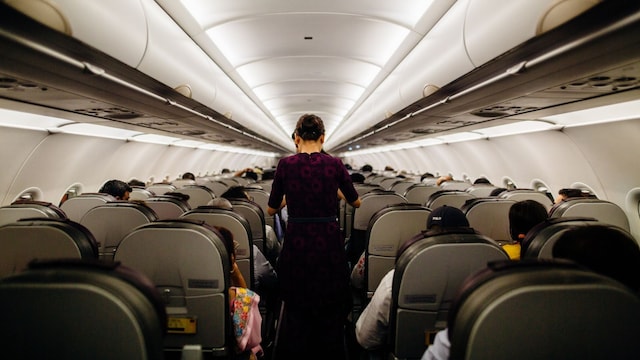
Airlines and Local Transportation Experience Disruptions | The outbreak has impacted travel operations significantly. Some airlines have implemented new health protocols, and local authorities have tightened security measures at airports and borders. Flights to and from Bunia in eastern DRC were previously halted but have since resumed under stricter health regulations. (Image: Canva)
 9 / 10
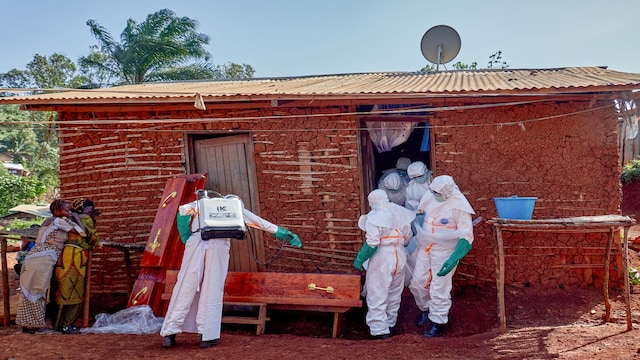
Concerns from Health Experts | Experts express worries regarding the outbreak, noting numerous challenges. The virus is transmitting in areas affected by conflict and movement of populations, complicating the tracing of contacts and control of infections. Additionally, there are worries about the rapid spread and potential for cross-border transmission. (Image: Reuters)
 10 / 10
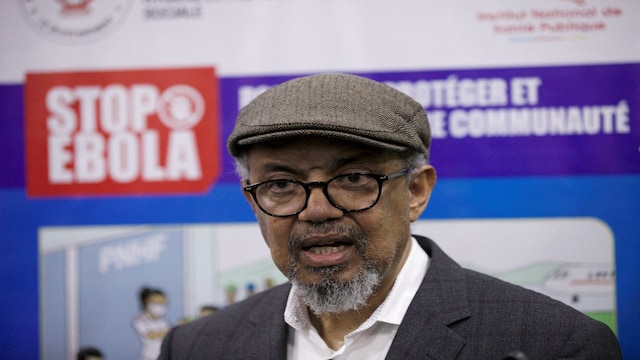
WHO Calls for Vigilance, Not Alarm | In light of the restrictions set by various nations, the World Health Organization (WHO) advises against sweeping travel and trade bans. It emphasizes that robust surveillance, prompt detection, contact tracing, and international collaboration are essential in managing the outbreak. (Image: Reuters)