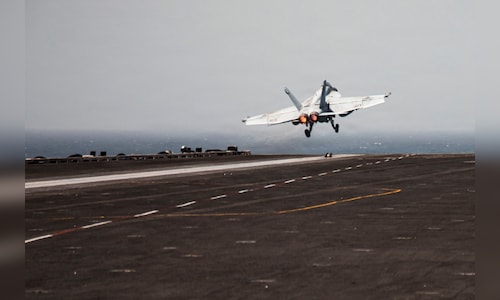
As reported by Iranian state television and the Mizan news agency, the proposed plan involves a gradual withdrawal of US military forces from near Iran and the removal of what Tehran calls a US naval blockade in the Strait of Hormuz.
In exchange, Iran would pledge to reinstate commercial shipping traffic through this crucial waterway to levels seen prior to the conflict within one month.
Iranian sources indicated that military vessels are not included in the current draft agreement and that ship traffic through the Strait would be overseen by Iran in collaboration with Oman.
The reports emphasized that the framework is still in its early stages and unofficial, requiring further negotiations and “tangible verification” before Tehran commits to any final agreement.
According to the reported conditions, if a final deal is reached within 60 days, it could be formalized through a binding resolution from the United Nations Security Council.
The Strait of Hormuz serves as one of the most vital oil shipping routes globally, facilitating a substantial portion of crude oil exports. The news regarding the proposed framework led to a decrease in US crude oil prices, which fell below $89 per barrel amid expectations of alleviated supply constraints and reduced geopolitical tensions in West Asia.
These developments occur alongside broader diplomatic initiatives by US President Donald Trump aiming to negotiate a more extensive regional settlement involving Iran and multiple Middle Eastern nations.
So far, neither Washington nor the White House has officially validated the reported draft framework.