In an interview with CNBC-TV18 following the Quad foreign ministers’ meeting in New Delhi, Ratna emphasized that the current crisis involving Iran and the Strait of Hormuz has heightened the significance of energy security in the India-US strategic partnership.
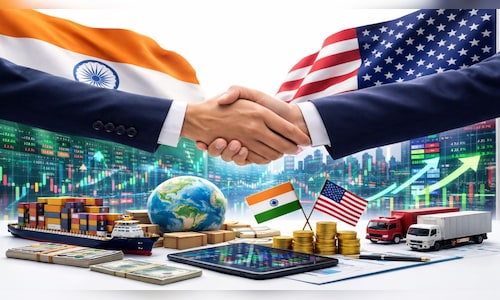
“Yes, I believe it could be,” Ratna responded when asked if energy purchases from the US might be critical for a more comprehensive trade deal. “With the Hormuz crisis and the backlash against Russian energy, energy trade plays a crucial role.”
“I think those deals are going to be essential,” she continued.
These comments come amid escalating uncertainties in West Asia following recent US strikes on Iranian missile launch sites and boats allegedly attempting to deploy mines close to the Strait of Hormuz. Washington characterized these strikes as defensive actions aimed at safeguarding American troops in the area.
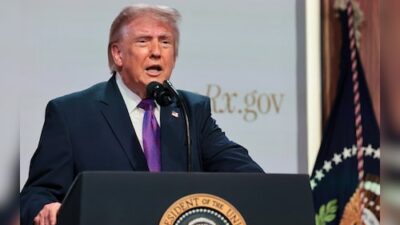
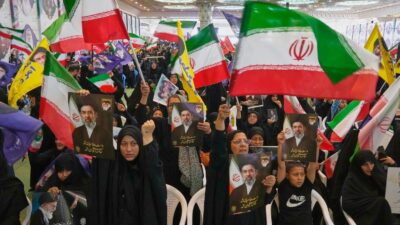
US President Donald Trump later stated on social media that Iran’s enriched uranium would either be delivered to the US or destroyed under global oversight, a claim Tehran denied. The Revolutionary Guards of Iran also indicated their right to respond to any ceasefire breaches, asserting that sovereignty over the Strait of Hormuz is crucial to any peace agreement.
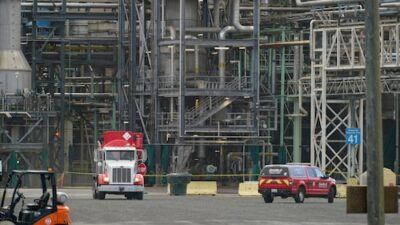
The Strait of Hormuz remains one of the most essential oil shipping passages globally, accounting for a significant portion of crude exports. Any extended disruption could severely impact energy-importing countries like India.
During the Quad foreign ministers’ meeting in New Delhi, the group refrained from naming Iran directly but condemned attacks on commercial shipping and opposed tolls on the Strait of Hormuz.
Ratna highlighted that the Quad’s current priorities are increasingly aligned with Washington’s broader emphasis on economic security and strategic supply chains.
She remarked that the emphasis on semiconductors, critical minerals, and secure supply chains signifies a substantial shift in American strategic priorities under the present administration.
In addition to energy concerns, India and its Quad partners have agreed to mobilize up to $20 billion towards establishing secure critical minerals supply chains to lessen reliance on China. A bilateral framework regarding critical minerals focused on mining and processing cooperation was also signed by India and the United States.
Former US Assistant Commerce Secretary Raymond Vickery stated that energy agreements will likely become a central transactional focus for Trump as he seeks economic victories through bilateral negotiations.
He also indicated that Washington would likely urge India to boost its purchases of American oil and gas as tensions with Iran ease.
However, he warned that bilateral energy agreements alone would not address the larger geopolitical risks in West Asia.

Also Read | Quad countries launch Indo-Pacific energy security initiative amid global shipping worries
The increased focus on energy trade emerges as global supply chains continue to feel the strain from geopolitical uncertainties, maritime security threats, and changing alliances.
At the same time, Chinese President Xi Jinping hosted Pakistan Prime Minister Shehbaz Sharif in Beijing, reaffirming their strategic partnership. Xi commended Pakistan’s role in mediating in the West Asia crisis.
In this context, analysts suggest that India’s expanding energy and technology connections with the US will likely become increasingly significant in shaping the next phase of economic and strategic cooperation in the Indo-Pacific.