In a special update to its economic projections, ADB has also raised its inflation forecast significantly to 5.2% for 2026, up from 3.6% earlier for the region.
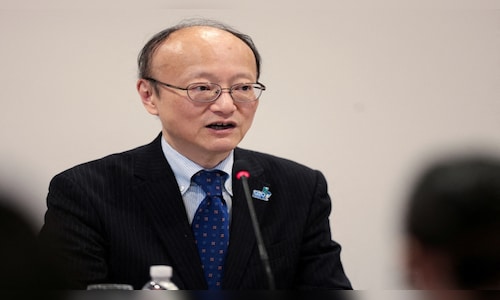
“Our updated outlook reflects a considerable downward adjustment in growth and a notable increase in inflation due to the ongoing crisis,” said ADB President Masato Kanda in a statement.
“We are facing systemic and enduring disruptions to global energy and trade systems, which go beyond temporary fluctuations. ADB will continue to be a flexible partner in safeguarding the region’s economy, closely monitoring rapid risks, and acting swiftly to enhance our support.” ADB now estimates regional growth at 4.7% for the current year and 4.8% for the following year, down from 5.1% for both years as projected in its Asian Development Outlook (ADO) 2026 released on April 10.
Inflation in the region is now expected to rise to 5.2% this year before moderating to 4.1% in 2027, according to their findings.
This revised outlook indicates a growing awareness that the economic impact of the conflict has persisted longer than originally expected.
Ongoing risks to energy production and transportation routes, along with sustained pressure on oil and gas prices, are diminishing growth prospects while simultaneously elevating inflation forecasts, especially for economies that rely heavily on imported fuel, remittances, tourism, or external financing, the report states.
The new forecast assumes that oil prices will average approximately $96 per barrel in 2026, significantly higher than the pre-conflict average of $69 per barrel recorded in January and February, before declining to about $80 per barrel in 2027, it noted.
In a more severe downside scenario involving a resurgence of conflict, which could lead to a spike in oil prices in May 2026 and keep them elevated, growth in developing Asia and the Pacific might slow to 4.2% this year and 4% next year, with inflation potentially reaching 7.4% in 2026, according to the ADB.
The report proposes four essential policy responses to address these challenges, emphasizing the need for policies that aim for stabilization rather than the suppression of price signals.
It suggests that allowing some degree of higher energy prices to be reflected in the market can promote energy conservation, switch to alternative fuels, and invest in renewable energy resources.
Fiscal support, where necessary, should be specifically targeted and temporary, while central banks must concentrate on mitigating excessive market volatility while monitoring inflation expectations closely.
Authorities should also aim to reduce energy demand where possible. Practical initiatives could include imposing temperature limits for air conditioning, reducing non-essential lighting, campaign for energy savings during peak hours, and implementing work-from-home or staggered work schedules, as suggested.
Additionally, encouraging public transport usage and instituting car-free days in urban areas on holidays could further help decrease transportation fuel consumption, the report concludes.