The judiciary is anchored in public trust, which alone grants it moral authority. Should that trust diminish, it risks becoming just another institution perceived as inadequate. Similar to concerns surrounding the Election Commission, the judiciary must protect its own credibility.
While Arvind Kejriwal is a political figure, Justice Sharma is not. In her judgment, she dismissed claims of “apprehension of bias” as baseless. But what constitutes proof in such instances? Is it a civil measure—based on likelihood—or a criminal one—beyond reasonable doubt? More critically, “apprehension” is quite subjective.
In light of this, it would have been preferable for another judge to hear the recusal request. No one should act as a judge in their own case. The Doctrine of Necessity is applicable when no other options are available—as seen in the NJAC case—but that was not the scenario here. An alternative judge could have assessed the recusal, allowing Justice Sharma to subsequently handle the main case. By not stepping aside, she compromised her moral standing.
India lacks a codified law on recusal; it operates on precedents—and there are precedents that support both sides.
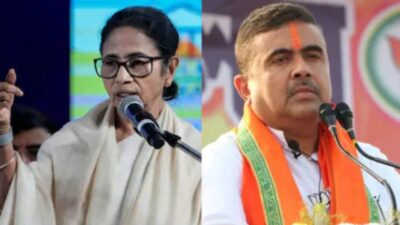
Ultimately, this ruling may have benefitted Kejriwal. Despite having elite legal representation, he opted to represent himself, potentially to gain political advantage—similar to Mamata Banerjee’s actions in the Supreme Court regarding the SIR matter. While Kejriwal may have achieved his goal, the judiciary’s reputation did not improve.
Kejriwal’s choice to communicate directly with Justice Sharma instead of going through the Supreme Court seems to be another maneuver for political leverage. However, any potential contempt proceedings now risk looking biased. If the recusal request had been processed separately, this predicament could have been avoided.
Moving forward, courts should steer clear of becoming part of a spectacle. In this instance, the proceedings seemed increasingly theatrical. Kejriwal was accompanied by his wife—who is not a party in this case—and other supporters. Courts are not public platforms. Ordinary litigants face strict entry regulations, yet exceptions appear to have been made here and in similar instances. One hopes to see a reduction in such inconsistencies going forward.
(The writer is a practising lawyer at the Supreme Court. Views expressed are personal)
First Published: Apr 28, 2026 6:02 PM IST