
1 / 10
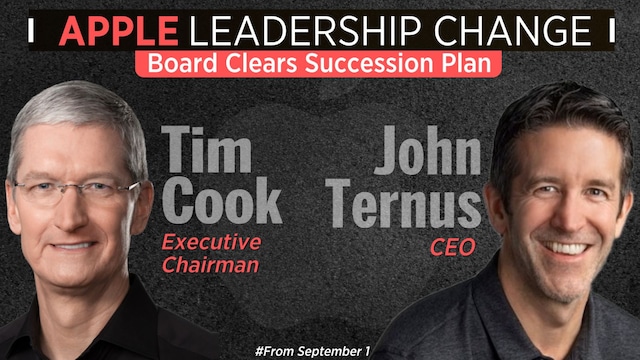
Tim Cook is resigning as CEO of Apple, concluding a transformative 15-year period that has altered the company’s scale, strategy, and global presence. The hardware executive John Ternus will assume the role on September 1. Cook took the helm in August 2011, just prior to the passing of co-founder Steve Jobs. This led to skepticism about Apple’s ability to maintain its momentum. However, over the next fifteen years, the company not only continued to grow but expanded significantly. Here are the major milestones during Cook’s leadership:
2 / 10
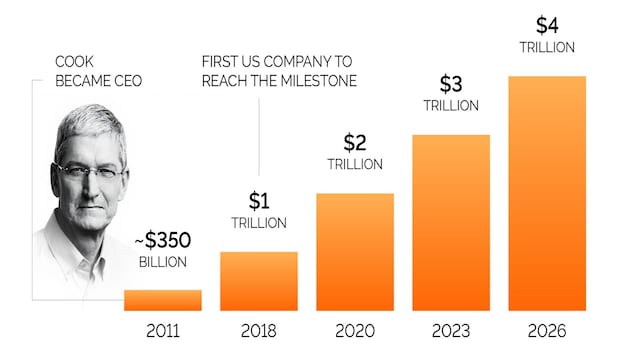
From a valuation of $350 billion to $4 trillion | When Cook became CEO in 2011, Apple was worth approximately $350 billion. Under his management, it grew into a $4 trillion giant, becoming one of the world’s most valuable companies.
3 / 10
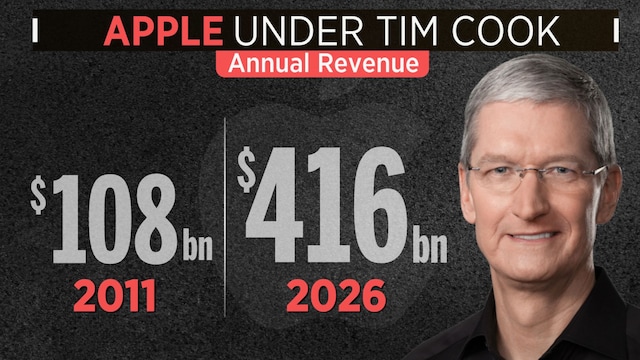
Revenue nearly quadruples | Apple’s yearly revenue surged from $108 billion in 2011 to over $400 billion, fueled by consistent iPhone demand, expanding services, and global growth.
4 / 10
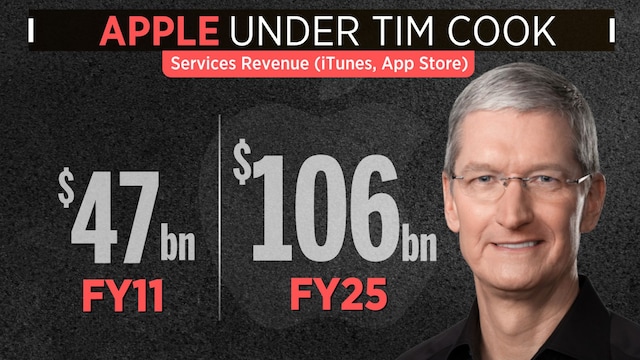
Establishing a high-margin services business | Cook expanded Apple’s focus beyond hardware with the development of services like Apple Pay, Apple Music, and the App Store. The services division now contributes over $100 billion annually, boasting substantially higher margins compared to hardware. Additionally, Apple transitioned from Intel processors in its Macs to its own, redefining its product strategy and performance ability.
5 / 10
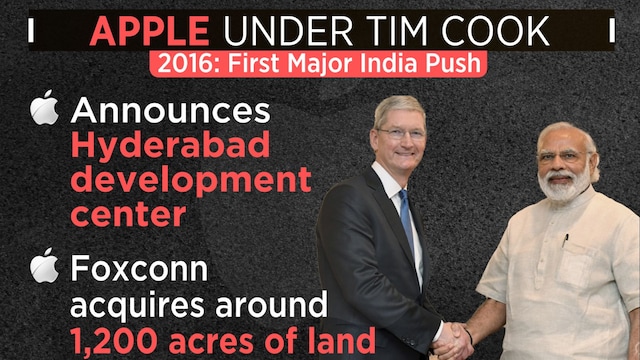
Entering India: The initial step (2016) | Cook visited India for the first time in 2016 and met with Prime Minister Narendra Modi. At that point, Apple had no manufacturing presence in the nation. The assembly of the iPhone SE began in Bengaluru in 2017, marking Apple’s first local manufacturing initiative.
6 / 10
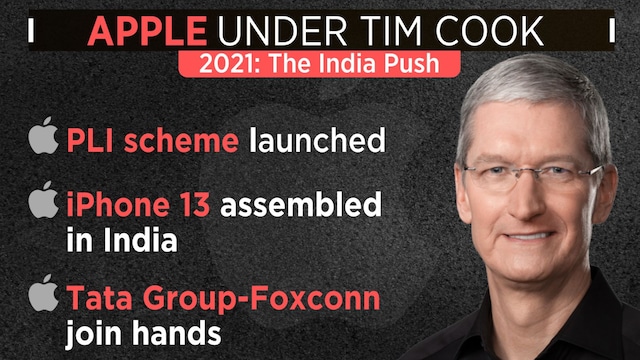
2021: India aligns with the global launch cycle | With the introduction of India’s PLI scheme and collaborations with suppliers, the iPhone 13 was assembled in India simultaneously with its global launch — a historic first for the company. The COVID disruptions at Foxconn’s facility in China in 2022 prompted Apple to expedite its plans in India. Tata Group joined Apple’s supply chain by acquiring Wistron’s Karnataka facility, marking a pivotal shift.
7 / 10
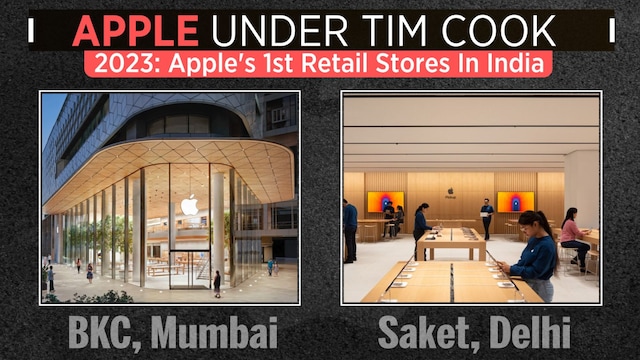
2023: Apple enters the Indian retail market | Cook made a return to inaugurate Apple’s first official retail shops in India, including locations in Mumbai at Apple BKC and in Delhi at Saket.
8 / 10
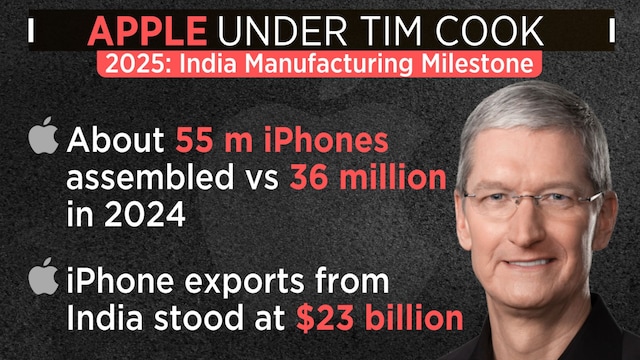
2025: India becomes a manufacturing center | By 2025, India had established itself as a vital component in Apple’s global supply network. The country was producing approximately 55 million iPhones each year, which constituted about one in four units manufactured worldwide. Exports soared to $23 billion in a single year, with substantial manufacturing partners expanding their operations across Tamil Nadu and Karnataka, employing over 185,000 individuals. During this time, Apple also surpassed Samsung as the largest smartphone exporter in India by value, highlighting this transition.
9 / 10
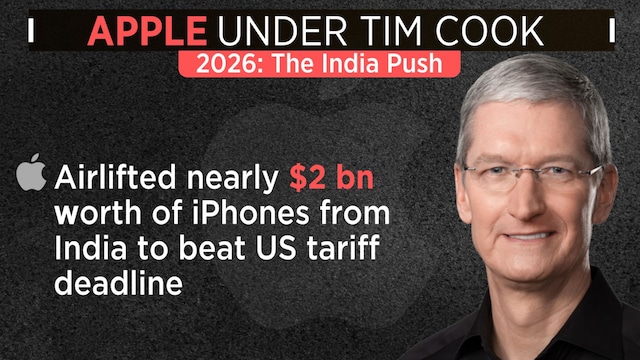
Maintaining commitment to India strategy | In the face of political challenges, including remarks from Donald Trump urging Apple to shift production away from India, the company sustained its operational scale. In March of this year alone, Apple reportedly airlifted approximately $2 billion worth of iPhones from India to comply with US tariff deadlines.
10 / 10
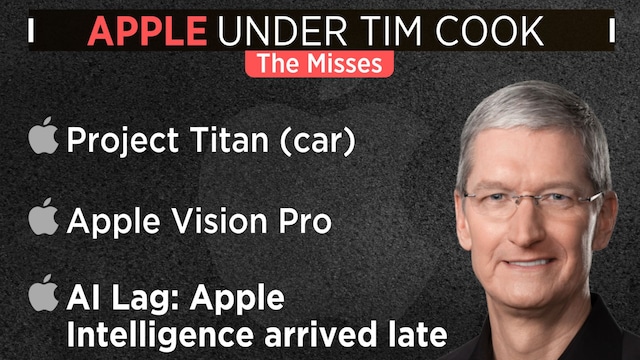
Setbacks along the journey | Despite impressive growth, Cook’s period saw some challenges. The highly anticipated Apple Car initiative was eventually abandoned after years of investment without yielding a final product. The release of the Apple Vision Pro at $3,499 garnered attention but lacked a clear mass-market appeal. Furthermore, Apple has been slower to adapt in the realm of artificial intelligence compared to rival companies, with the gap serving as a challenge ahead.