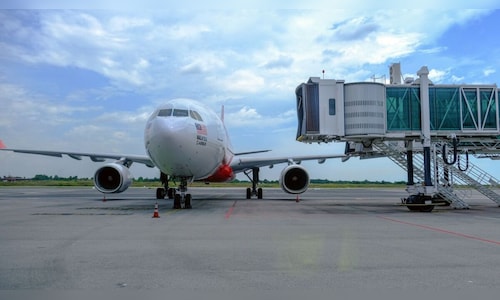
On Monday, AirAsia announced plans to cut routes and raise ticket prices by as much as 40% in an effort to lessen the impact of the ongoing conflict.
The airline reported that 10% of its overall flights have already been cancelled. Ticket prices have surged between 31 and 40%, while fuel surcharges have climbed by around 20%.
During a media event on Monday, co-founder and strategic advisor Tony Fernandes remarked that escalating costs were ‘inevitable,’ indicating that the airline will reduce capacity on routes “where we no longer believe we can cover fuel costs.”
He added that while the group doesn’t “have all the answers” to the current geopolitical situation, management is leveraging past experiences and remains ready to adapt, including cutting capacity or costs if necessary.
Low-cost airlines are particularly vulnerable to rising fuel prices, which are stressing their low-cost business models and exposing AirAsia X’s unstable financial health. Group Chief Executive Officer Bo Lingam noted that the largest issue facing the airline is the average cost of jet fuel, which has jumped from approximately $90 per barrel to nearly $200.
Malaysian low-cost carrier AirAsia X has hiked airfares by as much as 40% and raised fuel surcharges by a fifth after jet fuel costs more than doubled in the wake of the Iran war https://t.co/xaQCCCjnA0
— Bloomberg (@business) April 6, 2026
Global airlines increasing fares
The International Air Transport Association reviewed data for the week ending March 20 and discovered that jet fuel prices have risen nearly 106% compared to a month prior. Airfares have skyrocketed since the U.S. commenced military actions against Iran on February 28. Fare increases are rapidly spreading across airlines worldwide:
Air New Zealand
Air New Zealand reported that jet fuel prices have surged to between $150 and $200 per barrel, up from $85 to $90 per barrel before the Iran attack. One-way economy fares were raised by 20 NZ dollars ($12) on short-haul international routes, 10 NZ dollars ($6) on domestic flights, and 90 NZ dollars ($53) on long-haul journeys. The airline also suspended its financial outlook for 2026 due to uncertainties arising from the conflict.
Qantas Airways
Australia’s Qantas announced increases to its international ticket prices and indicated it is considering reallocating capacity to Europe. The airline’s stock experienced a notable drop the previous day, but ultimately closed 0.5% higher. Qantas is among several airlines seeking alternative routing strategies to cope with airspace restrictions and cost pressures.
SAS (Scandinavian Airlines)
SAS has implemented a ‘temporary price adjustment’ on its fares, stating that it was “necessary to react to sustain stable and reliable operations” due to spikes in fuel costs. The largest airline in Scandinavia additionally noted it has no fuel costs covered for the upcoming 12 months, leaving it highly exposed to the price increase driven by the U.S.-Israel assault on Iran.
Hong Kong Airlines
Hong Kong Airlines announced on its website that starting Thursday, it would increase fuel surcharges by as much as 35.2%. Routes from Hong Kong to Bangladesh, Nepal, and the Maldives faced the steepest hikes. Several Asian carriers, many of which operate routes that either traverse or circumvent the unstable Middle Eastern airspace, are under significant pressure.
Cathay Pacific Airways
Cathay Pacific plans to add more flights to London and Zurich in March to capitalize on increased demand for Asia-Europe routes, a demand spurred by airspace restrictions and capacity issues. Airfares for these routes have surged due to airspace limitations, resulting in a 3.6% increase in Cathay’s share price.
Finnair
Finnair, which secured over 80% of its fuel imports for the first quarter, warned that ongoing crises might jeopardize even fuel availability. A spokesperson from Finnair indicated that a “prolonged crisis could affect not only the price of fuel but also its availability, at least temporarily.”
British Airways
A representative from British Airways’ parent company, IAG, stated there are no plans to change ticket prices, and they remain unaffected in the near term. However, British Airways has postponed the end of its winter-season flights to Abu Dhabi due to ‘continuing uncertainty,’ delaying all services that were meant to operate through April 11 until nearly the end of the year.