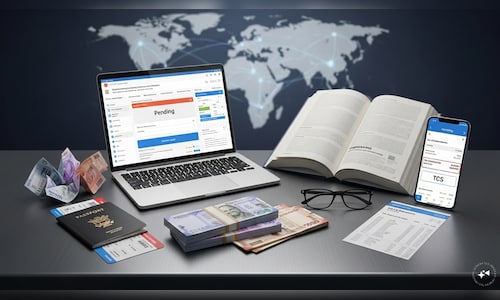
According to the new regulations, TCS on overseas tour packages has been reduced to a flat 2%, eliminating the previous slab rates of 5% and 20%.
This new rate applies without any minimum threshold, streamlining the tax structure at the time of booking and alleviating the immediate financial burden on international travelers.
Likewise, remittances intended for education and medical purposes abroad now incur a lower TCS of 2%, down from 5% previously. This adjustment is anticipated to ease upfront deductions for families transferring funds overseas.
What has changed
The primary adjustment lies in the reduction of the tax collected at the point of transaction. Although TCS remains adjustable against the final tax liability, the lower rate minimizes the amount of money blocked upfront as a tax credit.
For instance, on a ₹30 lakh remittance for overseas education, TCS at 5% would have led to a deduction of ₹1.5 lakh. With the revised 2% rate, the deduction drops to ₹60,000, making more funds available for immediate use.
Impact on households
The lowered TCS rate enhances short-term liquidity for individuals, especially in high-value transactions like foreign education, medical treatment, and international travel.
For travelers, particularly those opting for package bookings or installment plans, the decreased upfront tax burden may make financing international trips more feasible during the planning stage.
Costs beyond TCS
However, experts emphasize that TCS is just one part of the overall cost of overseas remittances. Other fees, especially foreign exchange markups, can dramatically affect the total expense.
Taneia Bhardwaj, South Asia Expansion Lead at Wise, mentioned that while the lower TCS enhances cash flow, additional costs like a 3% exchange rate markup on a ₹30 lakh transfer could reach around ₹90,000, counterbalancing the benefits from the tax reduction.
She advised that comparing exchange rates with the mid-market benchmark and selecting transparent service providers can assist individuals in managing total remittance expenses more effectively.
The takeaway
The updated TCS rates lessen upfront tax payments on overseas expenditures under LRS, enhancing liquidity for individuals. Nevertheless, the complete cost of international remittances will still depend on several factors, including currency conversion charges and service fees.