Wildfires increased Feather River water flow
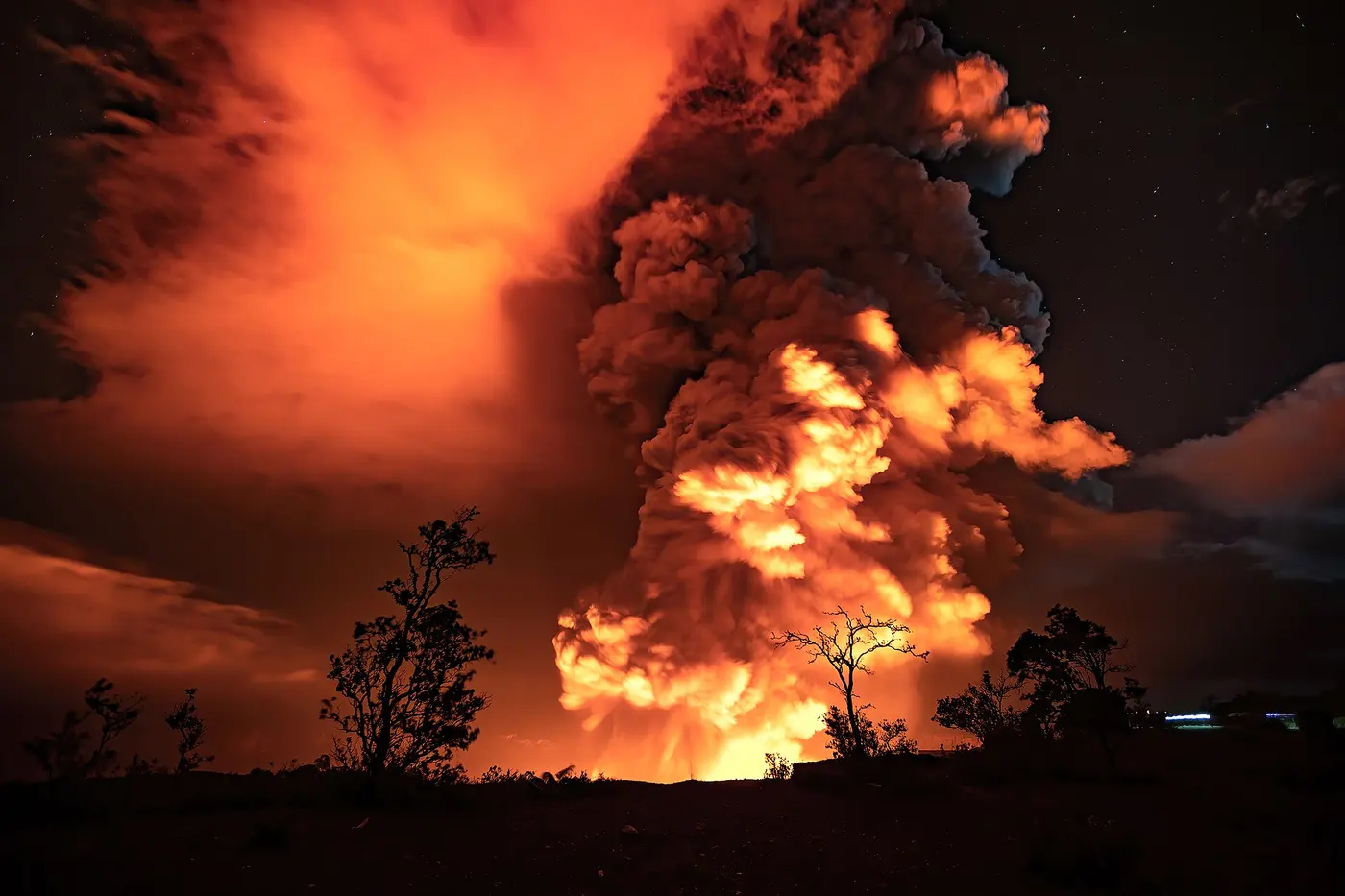
1 min readThe U.S. Geological Survey said a new study estimated that the 2020 and 2021 wildfires in northern California increased water moving through the upper Feather River watershed. The agency said fewer plants used water after the fires, so more water remained in the soil or flowed into streams.
The upper Feather River watershed feeds Lake Oroville, which helps supply water to more than 27 million people. The North Complex, Dixie, and Sugar Fires burned more than half of the watershed. The study examined how the fires changed water movement through the area.
Scientists at the U.S. Geological Survey California Water Science Center ran a computer model with and without the fires' effects on plants. The model measured changes in water available for streamflow and groundwater.
In water year 2023, covering October 2022 through September 2023, the model showed about 1 million more acre-feet of water available because of the fires. The agency said this was almost a third of Lake Oroville's capacity.
The increase continued the next year, at about 690,000 acre-feet. The U.S. Geological Survey said water year 2023 was also very wet, making it difficult to separate the effects of the fires from those of extra rain and snow.
According to the report, the fires took lives, destroyed buildings, and hurt air and water quality in parts of Northern California. Study lead Diana Zamora-Reyes said wildfires cause harm but can also change how much water reaches streams and reservoirs.
The report said forest thinning and controlled burns may help make the water supply more reliable as rain and snow decline. Zamora-Reyes said understanding how a changed forest affects water reaching streams and reservoirs can help water managers turn a negative into a positive. The announcement was published Wednesday, 04 November 2026.