NOAA has removed more than 50 million pounds of large-scale marine debris
1 min read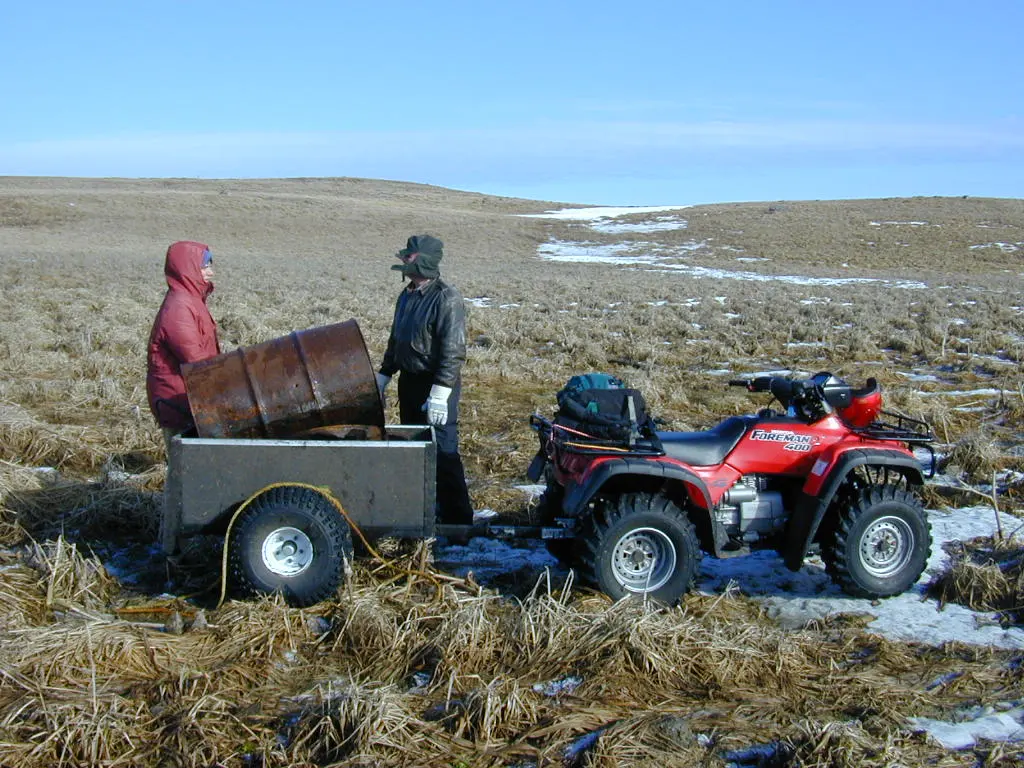
NOAA and partners have removed more than 50 million pounds of large-scale marine debris from the ocean and Great Lakes. The agency began the effort in 2013. The debris includes abandoned vessels, barges, piers and other materials that had become hazards to navigation and marine ecosystems.
The agency removes lost fishing gear tangled on the seafloor, sunken vessels, abandoned tire reefs and other trash that have become hazards to navigation and marine ecosystems. The removal effort improves vessel navigation. It supports the fishing and tourism economy. It helps communities recover from disasters. It prioritizes productive and safe shorelines and waterways across the United States.
Large-scale debris can remain in the environment for decades. Clearing large-scale and bulky debris can present big challenges. The challenges depend on where it is located and what it is made of.
NOAA uses four techniques to clean marine environments. These include gear recovery from the seafloor to the sea surface. They also include a hands-on approach for high-impact debris removal and aircraft-assisted removal in remote areas.
The NOAA Marine Debris Program has served as the U.S. government's lead to reduce and prevent the adverse impacts of marine debris since 2006. The program marks its 20th anniversary this year.
The agency said it will continue to address oversized pollution in the ocean and Great Lakes.