(Photo Credit : Reuters)
 1 / 10
Big Tech on Trial: Recent court proceedings in the US involving Meta and YouTube have connected design attributes of their platforms to addiction issues in young users. This represents a significant development in holding social media companies accountable, as legal scrutiny is now focused on platform features rather than solely user-generated content. This evolving legal framework could significantly alter the liability standards for tech firms and influence internet regulation in the US.
(Photo Credit : Reuters)
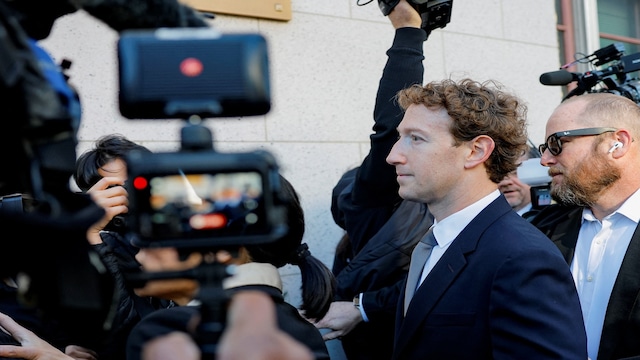
2 / 10Meta Verdict: In March 2026, a jury in the US judged Meta responsible for addiction-related damages in a case initiated by the families of minors. The ruling indicated that Instagram’s features intentionally attracted young users, causing mental health issues, with the jury acknowledging that risks to minors were anticipated. Consequently, Meta was ordered to pay $375 million in civil penalties, marking the first jury ruling of its type.
(Photo Credit : Reuters)
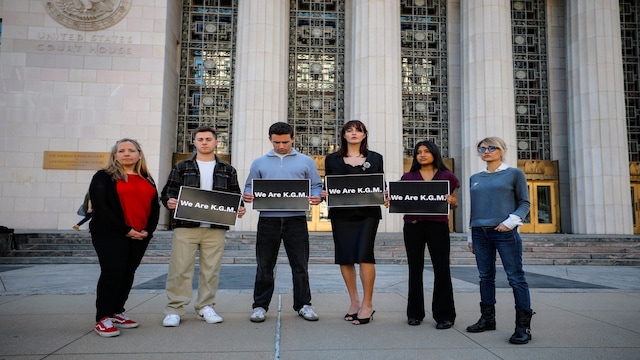
3 / 10KGM Case: The Kaiser-Gonzalez-Mendoza lawsuit saw families of minors file against Meta, YouTube, and other platforms, claiming that these companies knowingly devised addictive environments resulting in anxiety, depression, and compulsive usage. The jury sided with the plaintiffs, granting $3 million in damages along with $3 million in punitive damages, assigning 70% of the responsibility to Meta and 30% to Google.
(Photo Credit : Reuters)
4 / 10Design Claims: In both cases, plaintiffs contended that addiction stemmed from features like infinite scrolling, which eliminates stopping cues, and algorithms designed to amplify engagement. They cited notifications aimed at luring users back repeatedly and autoplay capabilities that encourage continuous content consumption. The lawsuits assert that social media addiction was intentionally crafted by these platforms rather than arising from user behavior.

(Photo Credit : Reuters)
5 / 10Legal Breakthrough: These rulings signify a major legal development, as previous cases against social media firms frequently faltered due to Section 230, which shields platforms from being considered publishers of user content. Courts historically ruled that damages stemmed from user-generated content, granting immunity to platforms and hindering most lawsuits from prevailing.

(Photo Credit : Reuters)
6 / 10New Strategy: Unlike earlier approaches, these recent lawsuits focus on product design rather than user content, suggesting that harm arises from the operational mechanisms of the platforms rather than from user posts. This strategy provides a pathway to hold platforms accountable without needing to challenge Section 230, which may diminish one of the tech industry’s most robust legal defenses.

(Photo Credit : Reuters)
7 / 10Growing Cases: A surge in similar lawsuits is occurring across the US, with school districts and state entities engaging in legal actions. Many cases are now being unified into larger federal proceedings, as plaintiffs strive to enhance legal pressure on tech firms through collective legal channels rather than individual lawsuits in disparate courts.

(Photo Credit : Generated image)
8 / 10Global Pressure: Regulatory scrutiny is intensifying, with the European Union’s Digital Services Act addressing algorithmic transparency and risks, the UK’s Online Safety Act reinforcing child protection measures, India broadening platform accountability through IT regulations, and Australia considering age restrictions and stricter measures. This trend indicates that regulatory frameworks and litigation are both advancing concurrently in numerous nations.

(Photo Credit : Reuters)
9 / 10Research Evidence: Data referenced in these cases indicate that adolescents utilizing social media for over three hours daily confront a heightened risk of deteriorating mental health. A significant number of teenagers report spending extensive hours on such platforms, and research correlates excessive social media usage with sleep disturbances, attention difficulties, and anxiety. These findings support the legal claims made in court.
(Photo Credit : Reuters)
10 / 10What Next: Meta and Google are anticipated to appeal the decisions, with higher courts set to define the extent of platform liability. Meanwhile, additional lawsuits are on the horizon, amplifying legal challenges faced by the tech sector, as courts assess whether platforms prioritizing attention may be liable for the social and mental health consequences of their design choices.