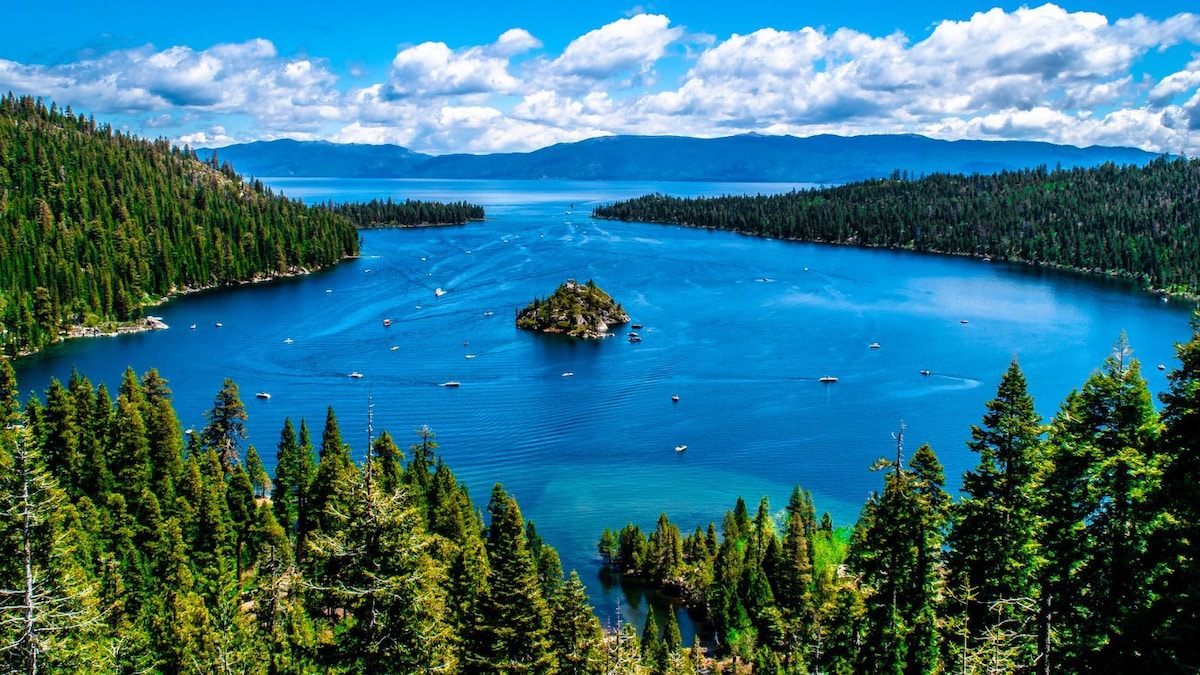
The world’s most vibrant lakes are celebrated for their transparent waters, spectacular blue hues, and stunning natural landscapes. Encircled by mountains, …

 1/10
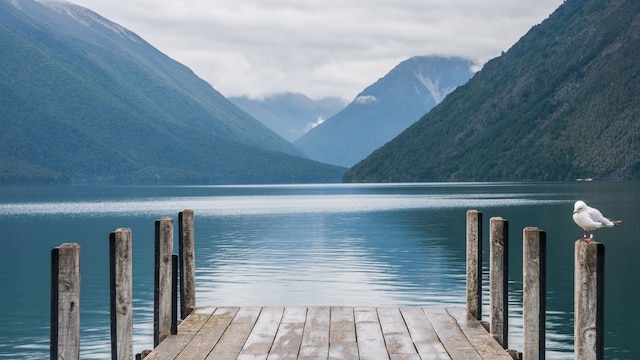
1/101. Blue Lake, New Zealand | This immaculate alpine lake is located in New Zealand’s Nelson Lakes National Park. Recognized as the clearest natural freshwater body on Earth, its underwater visibility can reach up to 80 meters, making it nearly as transparent as distilled water. (Image: Canva)
 2/10
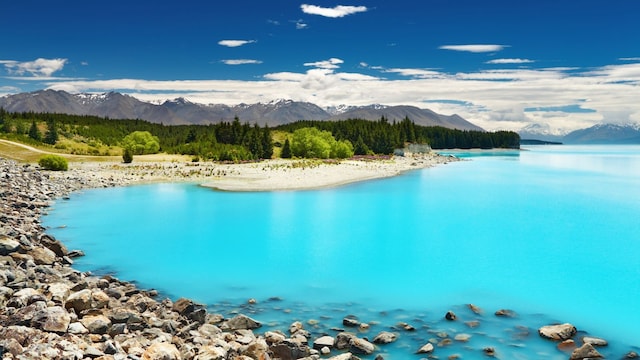
2/102. Lake Pukaki, New Zealand | Found on New Zealand’s South Island, this signature alpine lake is celebrated for its mesmerizing milky-turquoise waters, supplied by the nearby Tasman and Hooker glaciers. Framed by the snow-dusted Southern Alps, it showcases striking views of Mount Cook across its northern stretch. (Image: Canva)
 3/10
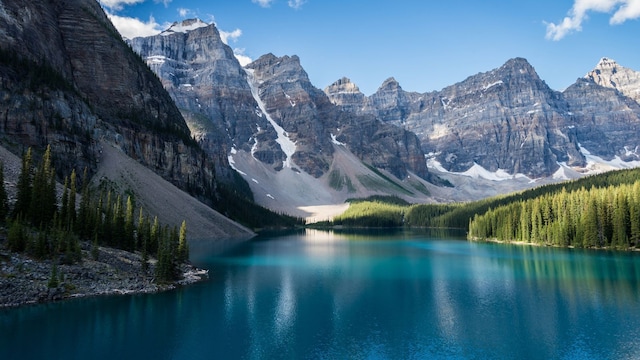
3/103. Moraine Lake, Canada | This famed glacial lake is nestled in Alberta’s Banff National Park. Perched at an elevation of 6,181 feet within the Valley of the Ten Peaks, it is renowned for its bright turquoise waters, a result of fine particles known as “rock flour” from surrounding glaciers. (Image: Canva)
 4/10
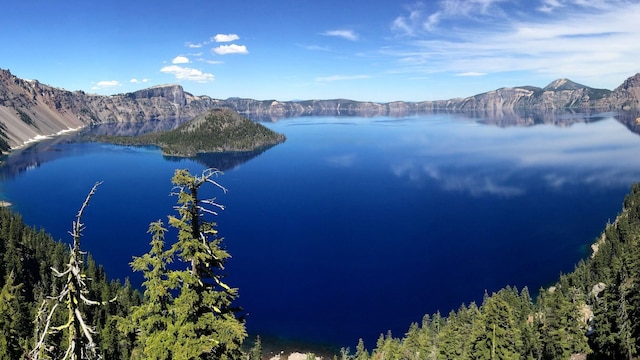
4/104. Crater Lake, United States | Situated in the Cascade Mountains of southern Oregon, this is the deepest lake in the United States. Famous for its clear blue waters, it occupies a vast volcanic caldera formed 7,700 years ago when Mount Mazama collapsed. (Image: Canva)
 5/10
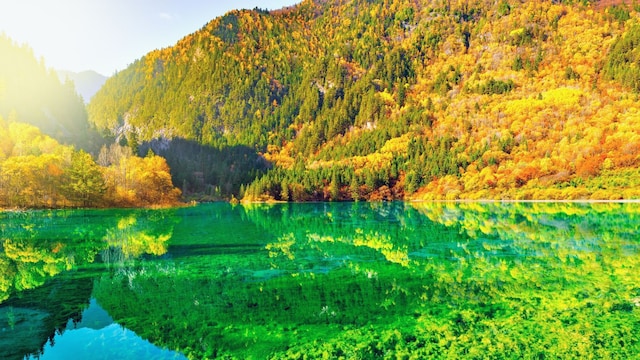
5/105. Five Flower Lake, China | Located within Jiuzhaigou National Park in Sichuan, China, this lake is renowned for its transparent waters that change hues from sapphire blue to emerald green and amber. A UNESCO World Heritage site, its brilliant colors result from mineral deposits, vibrant algae, and submerged ancient tree trunks, creating a mesmerizing view. (Image: Canva)
 6/10
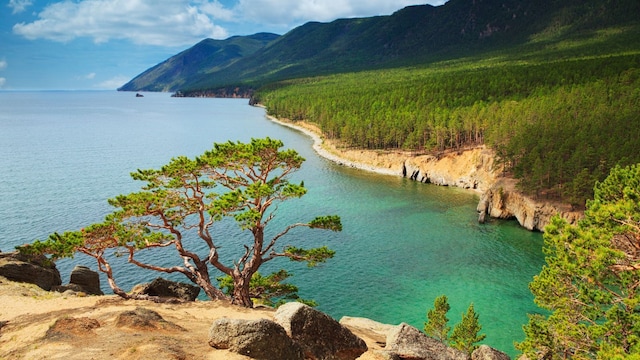
6/106. Lake Baikal, Russia | Found in southeastern Siberia, Lake Baikal holds the title of the world’s oldest and deepest freshwater lake. Often referred to as the “Blue Eye of Siberia”, it contains around 20% of Earth’s unfrozen freshwater and is celebrated for its remarkable clarity and unique biodiversity. (Image: Canva)
 7/10
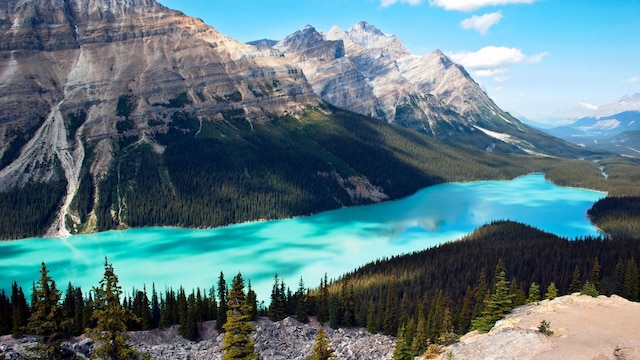
7/107. Peyto Lake, Canada | Nestled in Alberta’s Banff National Park, Peyto Lake is recognized for its vivid blue waters. Its unique wolf-head shape is particularly apparent from above, and the name honors early trail guide and trapper Bill Peyto. (Image: Canva)
 8/10
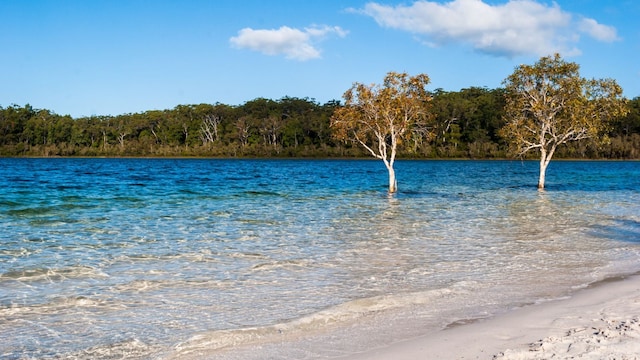
8/108. Lake McKenzie, Australia | Located within Queensland’s Great Sandy National Park, Lake McKenzie is famous for its crystal-clear water and fine white silica sand. This shallow freshwater lake attracts visitors for swimming, snorkelling, and paddling, while its radiant white sands enhance the brilliant turquoise tones of the water. (Image: Canva)
 9/10
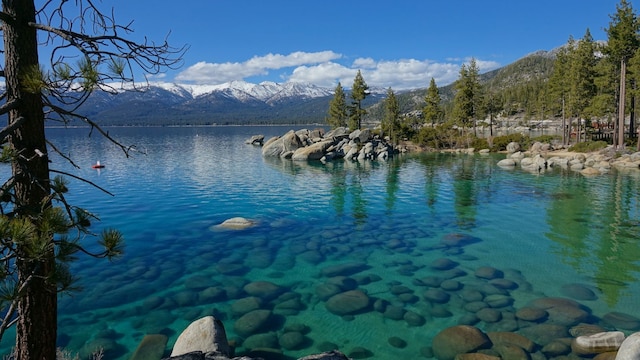
9/109. Lake Tahoe, United States | Renowned for its majestic Sierra Nevada backdrop, the waters of Tahoe have regained their clarity for the first time in 40 years. Known for its captivating depth and brilliant blue hue, it stands at an elevation of 6,225 feet and offers year-round outdoor activities, from summer boating to winter skiing. (Image: Canva)
 10/10
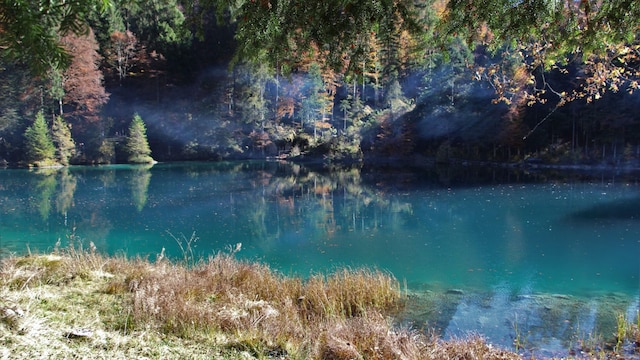
10/1010. Blausee, Switzerland | Situated in the Bernese Oberland, Kandergrund, Lake Blausee is regarded as one of the most picturesque blue lakes in Switzerland. Its stunning turquoise waters are surrounded by lush forests, massive glacial rocks, and impressive mountains. The area also features an easy hiking trail, a lakeside spa hotel, and an organic trout farm. (Image: Canva)