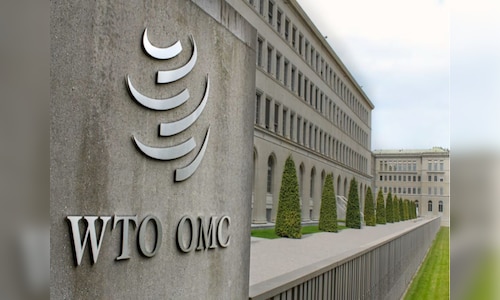
During discussions on e-commerce at the 14th WTO Ministerial Conference (MC-14) in Cameroon, India’s Commerce Ministry expressed its commitment to robust progress at the WTO, highlighting critical topics such as the digital divide, digital infrastructure, and regulatory frameworks. The Ministry stated that India is determined to ensure developing nations and LDCs possess the necessary tools to establish their own digital futures, and it has “engaged constructively towards members’ efforts at converging on the moratorium on customs duty for electronic transmissions.” Nonetheless, despite extensive engagement and the MC-14 stretching into an unscheduled fifth day on March 30, numerous contentious issues remained unresolved due to a lack of consensus among member states. With the current moratoriums on electronic transmissions and TRIPS non-violation set to expire on March 31, a deadlock at the WTO may result in duties being imposed on digital downloads and streaming. Brazil opposed extending the waiver on duties for electronic transmissions, while several developed nations sought long-term waivers, with the United States pursuing a five-year extension.
Projected estimates indicate a potential annual tariff revenue loss of $10 billion for developing countries and over $500 million for India due to the moratorium, which has been active since 1998. Although member countries consented to continue negotiations on unresolved matters at the WTO headquarters in Geneva, failing to extend the moratorium could lead to the imposition of duties on electronic transmissions after 28 years of exemption. Since May 1998, WTO members have biennially agreed not to impose customs duties on electronic transmissions, renewing the moratorium every two years until the recent MC-14 concluded.
The WTO’s work programme classifies e-commerce as the production, distribution, marketing, sale, or delivery of goods and services via electronic means. Recognizing the challenges arising from the digitization of various goods, India has emphasized that the moratorium’s scope must consider physical goods that have been digitized over time, with streaming services replacing CDs and DVDs, and e-books substituting physical books. Having already submitted discussion papers on topics such as consumer protection, digital public infrastructure, and competition, government sources underlined the necessity to foster competition within the e-commerce sector.
Ajay Shrivastava, Founder of GTRI, commented that the lapse of the duty waiver would allow countries to impose tariffs on digital transmissions, noting that the primary beneficiaries of such waivers are leading US tech firms, including Google and Meta. As revenues and profits within the digital transmission sector continue to rise, the moratorium has restricted developing nations’ ability to generate additional tariff revenue through regulation of these imports.
At the previous WTO Ministerial (MC-13) in Abu Dhabi, India sought continued dialogue on the e-commerce moratorium’s scope and objectives. While the United States supported extending the moratorium, several developed and developing nations remained divided on the topic. An Indian government official remarked, “We are not in favor of an extension. We advocate for the continuation of the work programme. It is crucial to examine this matter from a developmental perspective rather than from the viewpoint of major tech companies. A discussion on the moratorium’s scope is necessary due to revenue implications, along with a clear definition of e-commerce trade. We require policy space for the sector.”