During the company’s Dealer Business Planning Meet 2026, Chandrasekaran emphasized that the Indian passenger vehicle market is on the verge of significant growth in the next five years.
If the overall market expands to around six million vehicles by 2030, Tata Motors PV is confident it can seize one-fifth of that opportunity through a blend of new product offerings, capacity enhancement, technology investments, and operational excellence.
To support this vision, the company has committed ₹35,000 crore in investments through 2030, with potential for adjustments based on evolving market conditions.
This vision represents a pivotal moment in Tata Motors’ passenger vehicle evolution. Chandrasekaran reminisced that less than ten years ago, the business faced substantial doubt, with some industry analysts questioning the company’s continued presence in the passenger vehicle space.
Rather than retreat, Tata Motors chose to aggressively invest in product development, technology advancements, and enhancing customer experiences — a strategy that has positioned it as one of India’s foremost automakers.
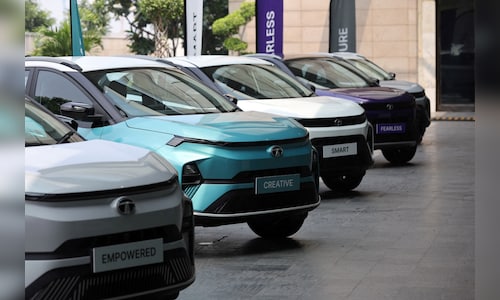
Currently, Tata Motors PV stands firmly among the top two players in the Indian passenger vehicle landscape, having crafted a competitive product range and leading the market in electric vehicles.
Chandrasekaran noted that the company’s early commitment to EVs, made seven to eight years ago, has developed into a key strategic asset in light of shifting industry trends and an increasing demand for sustainable mobility alternatives.
However, the chairman highlighted that reaching the 2030 goals will necessitate the company transforming from a good entity to a great one. He underscored resilience, agility, execution excellence, and consistency as essential traits needed to thrive in a progressively competitive and unpredictable landscape.
A crucial aspect of the growth strategy will focus on delivering exceptional products, an outstanding customer experience, and leading service standards. Chandrasekaran stressed that dealer partners will be integral to this change, positing that customer experience stems from the retail network rather than products alone.
Looking forward, Tata Motors PV plans to enhance its emphasis on innovation in customer experience, software, connectivity, and hardware differentiation. The company aims to develop connected and intelligent vehicles while creating tailored value propositions for distinct customer segments.
In summary, Chandrasekaran conveyed that Tata Motors is committed to creating the finest products, offering the best service experience, establishing a robust dealer network, and competing with the world’s premier automotive firms.
(Edited by : Vivek Dubey)
First Published: Jun 4, 2026 10:48 PM IST