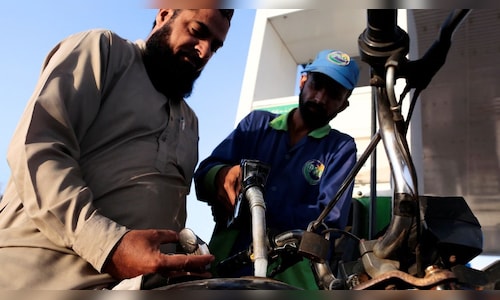
Following the price drop, HSD is now priced at ₹380 per litre, while petrol hovers around ₹381 per litre, as reported by Dawn.
The Petroleum Division later announced that the new prices would be in effect for the week commencing May 30 (Saturday).
The government implemented these fuel price cuts on the third day of Eid Al-Adha, a decision aimed at alleviating the financial burden on consumers as many Eid travellers prepare to return home for the weekend, according to Arab News.
“The prime minister had assured the public that relief would be offered whenever possible, and that assurance has been honored,” the government stated, calling this move an Eid gift.
The Oil and Gas Regulatory Authority also confirmed a reduction in kerosene prices from ₹313.44 to ₹272.
The prime minister’s office noted that fuel prices were also decreased the previous week. Additionally, the federal government is providing fuel subsidies for commuters using motorcycles and rickshaws, as well as for public and goods transport, the statement added.
It further elaborated that the government has ensured a continuous supply of fuel despite regional instability.
Petrol is primarily used in small vehicles, auto rickshaws, private transportation, and two-wheelers, significantly affecting the budgets of the lower-middle and middle classes.
Meanwhile, HSD is mainly utilized in large generators and the heavy transport sector. Changes in diesel and petrol rates directly influence the overall costs of goods and services within the country.
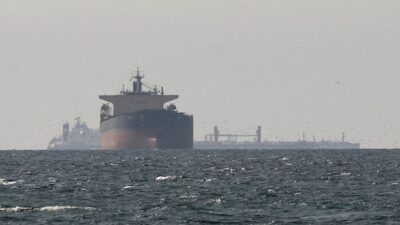
The Pakistani government has been adjusting petroleum prices weekly on Friday nights since the onset of the now-paused US-Iran conflict, which began on February 28. Shipping through the Strait of Hormuz, a route that previously carried about one-fifth of the world’s oil and liquefied natural gas supplies, remains largely suspended since the conflict started.
On Friday, US President Donald Trump convened a meeting with senior aides to make a ‘final determination’ regarding a framework for extending the ceasefire with Iran, as reported by the BBC. The discussions ended without any clear direction on future actions.
On Thursday, both countries had tentatively agreed to a framework for a deal, pending approval from Trump and Iran’s leadership, according to US officials.
The memorandum of understanding is expected to initiate discussions on Iran’s nuclear program and extend the ceasefire for an additional 60 days.