This Budget introduced various projects aimed at enhancing hospitality, heritage tourism, eco-tourism, and medical tourism.
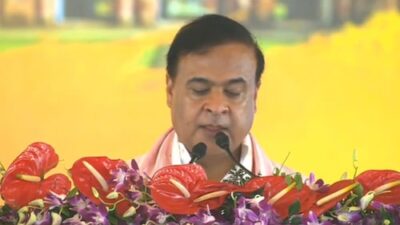
In his inaugural Budget presentation, Chief Minister V D Satheesan emphasized the need to prioritize tourism in the state.
He stated that efforts would be initiated to grant industry status to tourism, allowing the sector to access all industry-related incentives.
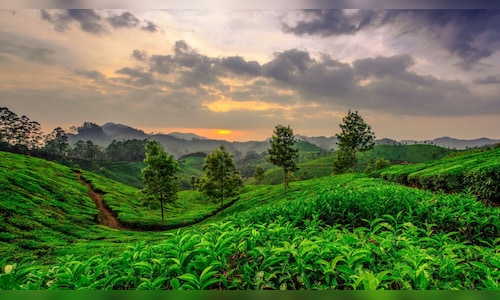
”Essential amendments to current laws will be made to permit greater land use in plantation regions for tourism,” he noted.
Satheesan mentioned that tourism amenity centres and houseboat terminals built under the Mega Tourism Circuit Project in Alappuzha, with central government support during the UPA era, would be renovated and effectively utilized.
A waste treatment facility will be established in Alappuzha to manage waste from houseboats and tourism activities, he explained.
The CM announced a Pilgrimage Tourism Circuit Project in Alappuzha, linking destinations such as Arthunkal Basilica, Ambalappuzha Sree Krishna Temple, Kakkazham Mosque, Mannarasala Sree Nagaraja Temple, Krishnapuram Palace, Mata Amritanandamayi Math, and Ochira Parabrahma Temple.
”A master-planned project will be implemented for the overall development of the Pathiramanal Island Eco-Tourism Centre, including a ropeway from Muhamma Jetty to the island,” he added.
The government allocated ₹19 crore to the Muziris Tourism Project.
”The Muziris Tourism Project will be expanded and developed into India’s leading heritage tourism destination, promoting environmentally sustainable tourism while safeguarding ancient monuments in the area,” Satheesan stated.
This project will feature a live museum, heritage museums, and boat journeys through traditional waterways.
A budget of ₹19 crore has been earmarked for this initiative.
A pilot ‘Green Marshals’ program will be rolled out in major tourist destinations such as Fort Kochi, Munnar, Kovalam, and Alappuzha, he confirmed.
”Under this initiative, women will be trained and employed as Green Marshals to encourage cleanliness, responsible visitor behavior, and environmental consciousness,” he explained.
Satheesan assured that the government would focus more on eco-tourism, biodiversity tourism, mangrove tourism, farm tourism, agri-tourism, and rural experiential tourism.
Additionally, community-based tourism hubs and cultural tourism centres will be established to create jobs while preserving Kerala’s unique heritage, culinary culture, and cultural practices.
”The ‘Brand Wayanad’ initiative will be launched. Ashtamudi tourism will be promoted, and women-led tourism ventures, homestays, and responsible tourism projects will expand across the state. Smart tourism applications, including AI-driven advanced digital tourism platforms, will be developed,” he remarked.
The Budget outlined plans to foster academic tourism by attracting international students to Kerala.
An International Maritime Museum, envisioned as a flagship project for Kerala’s maritime tourism sector, will be created with an allocation of ₹50 crore.
The Budget also proposed measures to promote farm tourism and dam tourism initiatives throughout the state.
The Kerala Travel Mart (KTM) Society lauded the Budget proposal to grant industry status to tourism, calling it a historic milestone likely to attract significant investment into one of Kerala’s key economic sectors.
KTM Society president Jose Pradeep expressed that this move would enable tourism businesses to avail similar benefits and concessions as other industries, covering aspects like electricity, water, and taxation.
”This will not only aid current entrepreneurs but also draw in new investors to Kerala, significantly boosting the state’s GST revenue,” he stated.
Pradeep welcomed the government’s initiative to amend laws, allowing unused land in plantation sectors such as tea, coffee, and cardamom estates for tourism-related use.
”This could transform Kerala’s tourism industry and unlock new investment avenues in plantation tourism,” he added.
KTM Society secretary S Swaminathan praised the decision to enhance amenity centres and houseboat terminals under the Alappuzha Mega Tourism Circuit Project.
”The announcement of a dedicated treatment facility for houseboat waste in Vembanad Lake addresses a long-standing demand and provides a sustainable solution to pollution concerns,” he noted.
Swaminathan highlighted the proposed master plan for Pathiramanal Island’s development and the ropeway project connecting the site.
”The Pathiramanal initiative reflects a forward-thinking approach to tourism development and will enrich Kerala’s tourism offerings,” he stated.
The organization underscored that the Budget prioritizes eco-tourism, mangrove tourism, and community-based initiatives aimed at delivering authentic local experiences to visitors.
While welcoming the ₹325.36 crore allocation for tourism development and infrastructure, KTM emphasized that funding for tourism marketing should be increased.
”Marketing support is crucial if Kerala is to maintain its competitiveness in the global tourism sector,” the organization remarked.