The spending plan, approved by Knesset members early Monday with a vote of 62 to 55, amounts to 699 billion shekels ($222 billion) and sets a deficit target of 4.9% of gross domestic product.
Defense spending stands as the largest category at 143 billion shekels — approximately 120% higher than in 2023, prior to the Gaza conflict. An additional reserve of 6 billion shekels has been allocated for costs related to the Iran conflict or other military requirements, elevating the supplementary defense budget to a minimum of 38 billion shekels, or nearly 2% of GDP.
The additional funds primarily aim to replenish Israel’s military supplies and compensate reserve soldiers.
The U.S.-Israeli conflict with Iran is now two months in, following President Donald Trump’s extension of the deadline to April 6 for Tehran to consent to reopen the Strait of Hormuz or face the demolition of its power plants amid a buildup of U.S. troops in the vicinity.
Simultaneously, Israel is engaged in combat with Iran-backed Hezbollah in Lebanon, establishing a broader buffer zone under Prime Minister Benjamin Netanyahu’s directives.
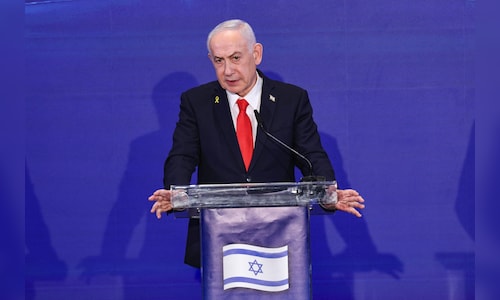
“This war comes with significant costs,” Netanyahu remarked in a video statement last week, “Hence, a special budget is necessary, involving tens of billions of shekels to enhance defense spending.”
Also Read: How SEBI’s new verified badge initiative may protect investors from fake trading platforms
The expanded defense budget will be supported by a greater deficit, which has been revised down from an expected 5.1% of GDP after Israeli banks consented to contribute a one-time fee of approximately 3 billion shekels to the state’s finances.
Additional financing sources comprise a 10 billion-shekel surplus in state revenue and a 3% across-the-board cut in civilian government ministries.
Government borrowing surged following Israel’s military response to an October 2023 attack by Hamas militants from Gaza, reaching nearly 280 billion shekels in 2024.
To gather support for the budget, Netanyahu postponed several bills that were causing tensions within the ruling coalition, including a controversial proposal that would exempt ultra-Orthodox men from military service.
Finance Minister Bezalel Smotrich also abandoned a plan to reform Israel’s state-regulated dairy industry, which he claimed would alleviate the cost of living.
‘War is a time for unity and national responsibility,” Smotrich stated alongside Netanyahu last week.
Approval of the budget provides Netanyahu’s cabinet with a crucial opportunity, as failure to pass it by March 31 would trigger an automatic collapse of the government under Israeli law.
The budget package includes tax exemptions for returning Israeli expatriates and Jewish immigrants to mitigate the brain drain caused by the war, along with tax benefits for middle-class workers and corporate tax incentives for technology firms focusing on research and development.