For India, the primary concern is not just accessing the US market, but ensuring its exporters encounter lower tariffs compared to competing manufacturing hubs like Vietnam, Thailand, and Bangladesh. Lacking this advantage, Indian products might find it challenging to capture market share, even with a trade deal in place.
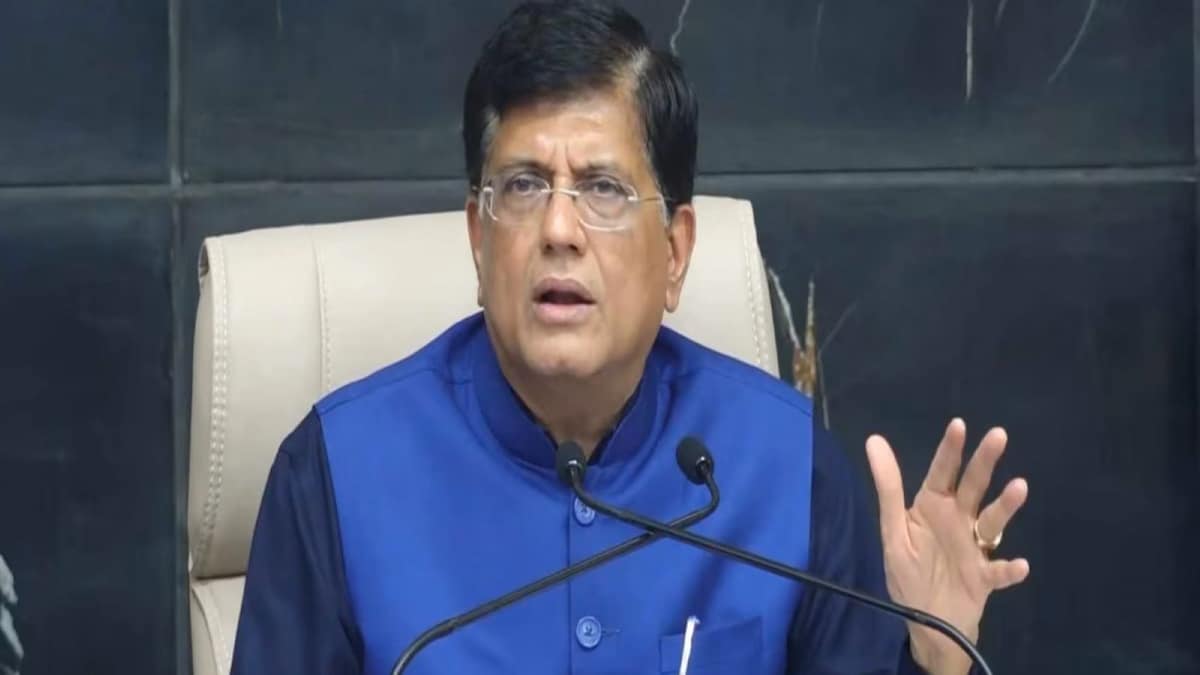
While addressing the India Global Forum’s UK-India Week 2026 in the UK, following multiple rounds of discussions with US Trade Representative Ambassador Jamieson Greer in New Delhi, Goyal emphasized India’s commitment to ensuring its exporters have an edge over nations that compete with India in global markets.
“We are focusing on countries at a similar developmental stage or with comparable cost structures to India—whether that includes Vietnam, Thailand, the Philippines, Indonesia, Malaysia, China, Bangladesh, Sri Lanka, or our other neighbors,” Goyal stated.
“Until we finalize the framework to secure that competitive advantage, we cannot implement a US deal,” he added.
The minister noted that the fundamental aspects of the agreement had been outlined in February 2026, with ongoing negotiations aimed at refining the details since then.
“The initial agreement was reached in February 2026, and the main components were established. Teams have been working since then to finalize the details, with a fair amount of give and take involved,” he remarked.
India is pursuing a tariff advantage over competing manufacturing nations, including Bangladesh, China, Malaysia, the Philippines, Sri Lanka, Thailand, and Vietnam.
In reference to earlier discussions, Goyal mentioned that the agreement was designed to reduce tariffs from 50% to 18%, which would have provided Indian exporters a significant competitive edge.
A reduced tariff rate compared to competing nations could render Indian goods more appealing to US consumers, potentially enhancing exports in industries such as textiles, engineering products, electronics, and labor-intensive manufacturing.
“The entire deal was focused on that competitive advantage we gained with the 18% rate over our neighboring countries and competitors. We would have been lower than all ASEAN nations, except for Singapore, making the deal appealing to us,” he explained.
However, Goyal acknowledged that subsequent changes, including a ruling by the US Supreme Court invalidating certain tariffs, had modified the landscape in which the agreement was originally negotiated.
This ruling has complicated the negotiations, as a reduction in tariffs for all countries could undermine the preferential advantage that was a core aspect of the proposed agreement.
“With the 10% tariffs, which are set to expire on July 24, we obviously need a valid reason to enact the agreement we have already settled on and ensure we obtain a competitive edge over what competing nations are paying,” he remarked.
The Global Trade Research Initiative (GTRI) reports that Indian exports to the US are currently subject to Most Favoured Nation (MFN) tariffs plus an additional 10% charge. GTRI estimates that Indian exports encounter a weighted average MFN tariff of 2.8% in the US.
The think tank pointed out that MFN tariffs apply to most goods, barring specific sectors such as steel, copper, aluminum, and certain auto components.
GTRI also mentioned that if the additional 10% tariffs lapse on July 24 as planned, most imports into the US would revert to standard MFN tariff rates, effectively reinstating the tariff regime in place before April 2, 2025.
Consequently, India is indicating that it prefers to delay signing a deal rather than entering an agreement that places its exporters on equal footing with rival manufacturing economies.