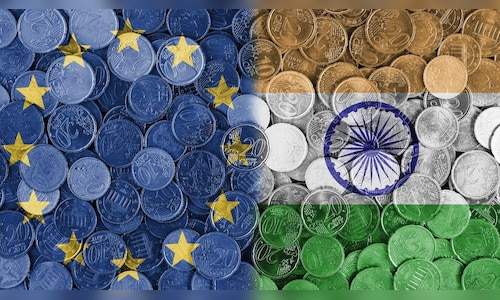
Government sources have suggested that discussions will focus on topics such as the Carbon Border Adjustment Mechanism (CBAM), Geographical Indications (GI), critical minerals, intellectual property rights (IPR), and various other trade and regulatory issues. Reports indicate that the two sides have exchanged their respective lists for a potential deal concerning trade in GI-tagged products, while negotiations continue separately on both an FTA and an investment protection agreement. India defines GI-tagged products as those “originating from a specific location, possessing unique nature, quality, and characteristics associated with that location.”
Sources have indicated that the EU is pushing for no restrictions, including duties, on the export of critical minerals from India. Recently, the EU contested Indonesia’s ban on nickel exports at the World Trade Organization (WTO).
It has also been noted that India is likely to request carve-outs or exemptions for stainless steel exports to the EU due to the elevated duties imposed by the bloc. Last week, the Ministry of Commerce and Industry conducted meetings with stakeholders from the auto and steel sectors. The EU has suggested expanding CBAM to cover 180 downstream goods, with CBAM certificates expected to be available from February 1, 2027, for products imported in 2026.
Minister Goyal met with EU Commissioner for Trade and Economic Security Maroš Šefčovič in New Delhi on December 8 and 9 to offer strategic direction to the negotiating teams as both sides aim to finalize the FTA as soon as possible. EU Ambassador to India Hervé Delphin previously remarked that the discussions have entered a significantly new phase, referring to it as “EU-India FTA negotiation 2.0,” following the 14th round. The EU stands as India’s largest trading partner, with bilateral goods trade reaching $137.5 billion in FY2023-24.
While India is pursuing increased market access and lower duties for its labor-intensive exports to the EU, the bloc is looking to boost exports of automobiles and liquor to India. Additionally, India has sought recognition as a data-secure nation to facilitate trade in digital services under the EU’s data transfer regulations, alongside greater access for its skilled professionals.
Previously, government sources mentioned that the EU’s consent for India’s fisheries exports could mitigate losses from US tariffs, noting that negotiations are progressing well and are “on track for completion by year-end.”