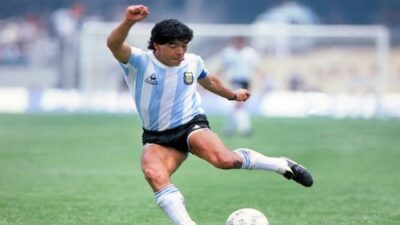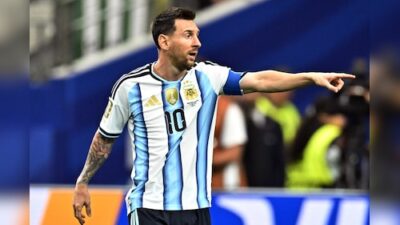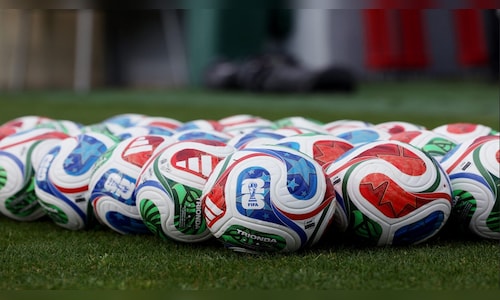
For the first time, the governing body has rolled out a system of custom patches to acknowledge individual accomplishments and milestones. Positioned just below the tournament logo on the right sleeve, these patches honor achievements like the Golden Boot and Golden Gloves, while a distinct Gold Legacy patch is designated for players participating in their fifth or sixth World Cup.
The innovation goes beyond the field. After the matches conclude, team kit managers peel the adhesive patches off the jerseys. Instead of remaining with the shirts, these patches are kept for use in ultra-rare trading cards made by Topps, transforming individual moments into highly sought-after collectibles.
The main tournament badges have also been crafted to foster a sense of exclusivity. Nations that have previously won the World Cup display a special gold-themed badge, while all other teams carry the standard black-and-white version.
The Golden Gloves patch is worn by goalkeepers like Belgium’s Thibaut Courtois and Argentina’s Emiliano Martínez. The Golden Boot badge is for leading scorers such as France’s Kylian Mbappé, England’s Harry Kane, and Colombia’s James Rodríguez. Meanwhile, only six players qualify for the Gold Legacy patch, including Lionel Messi, Cristiano Ronaldo, Luka Modrić, and Guillermo Ochoa.
This strategy enables FIFA to prolong the commercial significance of a World Cup moment long after the final whistle. Instead of limiting revenue to broadcasting rights, sponsorships, and merchandise sales, the organization is establishing a pipeline of exclusive memorabilia associated with some of football’s most iconic players.
Collectors, however, will need to be patient. FIFA’s current licensing agreement with Panini lasts until the 2030 World Cup, postponing the debut of Topps-branded cards until 2031. Consequently, the patches from the 2026 tournament will effectively be placed in storage for five years before they can hit the market.
By transforming match-worn patches into rare assets and linking them to the accomplishments of players like Messi, Ronaldo, and Mbappé, FIFA has created a new revenue avenue that has the potential to reshape the economics of sports collectibles and introduce an additional lucrative sector to the World Cup ecosystem.
First Published: Jun 22, 2026 9:37 PM IST