FEMA needs clearer grant review and communication
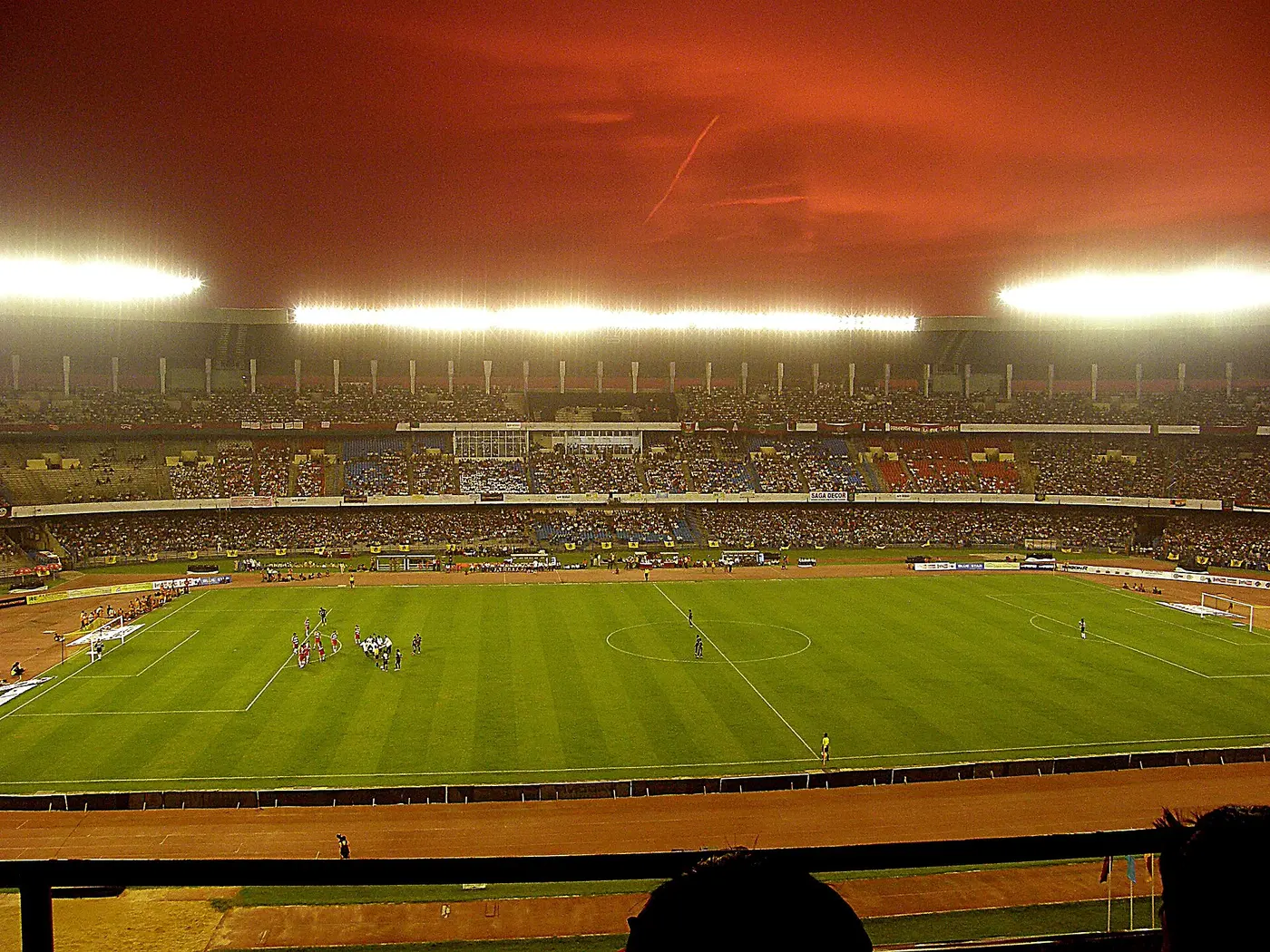
2 min readThe Government Accountability Office reported that the Federal Emergency Management Agency has 13 preparedness grants totaling $2.9 billion for fiscal year 2026. The grants support nonfederal and nongovernmental entities in preventing, preparing for and responding to terrorism and disasters. Funding also prepares recipients for special events, including the 2026 FIFA World Cup and the Summer Olympic Games in 2028.
The report said disruptions in 2025 delayed grant awards and disbursements. In April 2025, a U.S. district court required FEMA to stop delaying disbursements while the case was ongoing. The Department of Homeland Security also added conditions requiring cooperation with federal immigration enforcement. A U.S. district court prohibited enforcement of the 2025 immigration-related conditions, but similar conditions were attached to 2026 grant awards. Lawsuits remained ongoing as of November 2026.
The Government Accountability Office said FEMA did not accurately describe how it would score key aspects of project merit in its 2021 transit security grant funding notice. It also did not consistently award grants to the highest scoring applications described in that notice. A September 2025 finding said FEMA’s port security grant announcement did not describe all evaluation criteria or how criteria were weighted to produce project scores and funding recommendations.
The report said FEMA did not tell stakeholders about the addition of National Priority Areas before implementing them in 2020. Outreach did not effectively seek information about recipients’ barriers to meeting the requirements. FEMA also had not fully documented the reasons for changes to the priorities for several years, which the report said negatively affected grantees’ planning.
The Government Accountability Office said FEMA did not fully use recognized scientific practices in maintaining risk models for its homeland security grants in September 2018 and transit security grants in July 2023. The models did not consistently explain assumptions, weights and annual changes. The transit security risk model also did not include cyber threats that the Department of Homeland Security identified as relevant in fiscal year 2019.
The report recommended that FEMA fully describe application assessment criteria, make evaluation consistent with its funding goals, capture relevant threats in certain risk models and use lessons from prior challenges before future grant actions. It said the lack of transparency and disruptions threatened FEMA’s ability to direct funding toward the highest risks while maintaining a baseline level of capability in communities.