GAO says Treasury should improve project review consistency and transparency
1 min readThe Government Accountability Office said Treasury should improve the consistency and transparency of decisions on multilateral development bank projects affecting U.S. producers. In a report published Tuesday 10 November 2026, GAO found gaps in how Treasury defines and applies criteria for three key statutory provisions.
All three provisions must be met before Treasury must oppose a project. Treasury has criteria for determining whether a commodity or mineral is in surplus on world markets, but Treasury officials said the criteria are rarely applied. Treasury does not have criteria for assessing substantial injury to U.S. producers.
GAO said Treasury could take different positions on projects with similar circumstances because its assessments rely on subjective judgment rather than consistent standards. This could unintentionally affect U.S. producers. GAO also found that Treasury does not identify which projects it considers relevant to the statute in its public voting records.
During January 2015 - August 2025, Treasury made more than 11,000 votes on multilateral development bank projects. GAO determined that 340 projects were likely covered by the statute, and Treasury supported 83 percent of them. GAO said adding relevance information to public voting records would improve transparency for industries that may be adversely affected by projects.
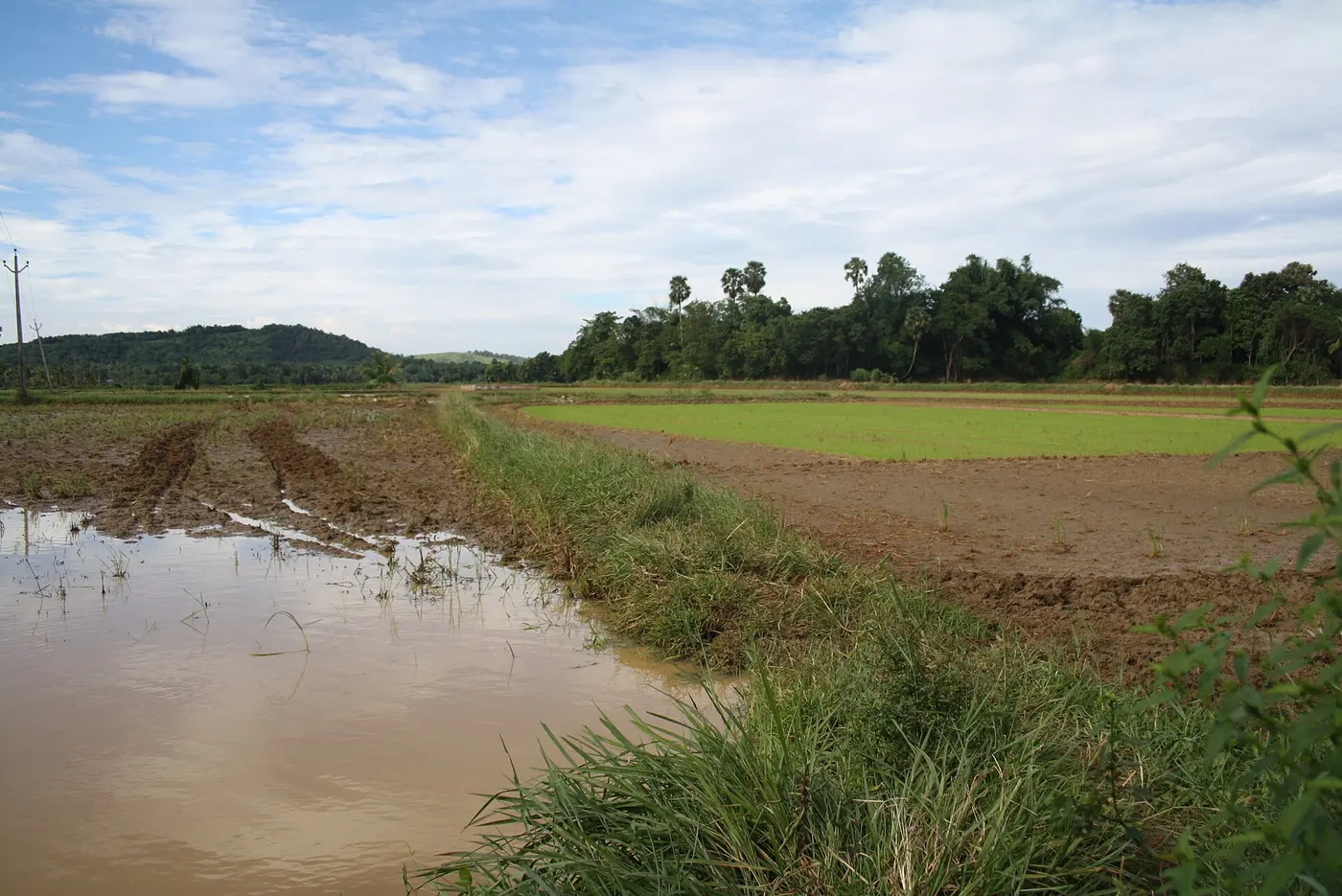
GAO found evidence that financed projects may have been one of several factors contributing to injury to U.S. shrimp producers. Aquaculture projects supported by the banks in Ecuador led to more shrimp imports and may have contributed to lower prices in the U.S. GAO did not identify evidence linking bank projects to challenges affecting U.S. rice producers.
Shrimp and rice industry stakeholders and available data showed that both industries faced other challenges unrelated to financed projects. Those challenges included market competition, regulatory requirements and environmental conditions. GAO reviewed laws and agency documents, analyzed trade data and voting records, interviewed agency officials and met with shrimp and rice industry stakeholders in four states.