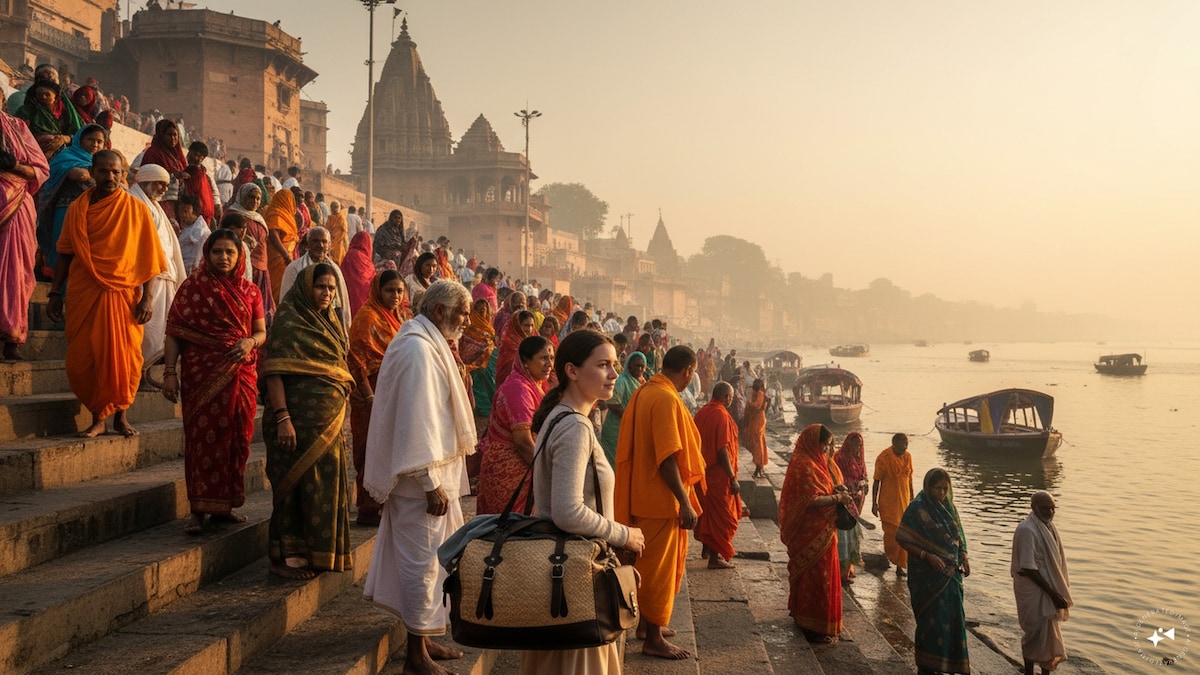
This transformation is evident in travel statistics.
According to Cleartrip’s PeekABoo Trends Tracker, pilgrimage sites have shown significant booking growth this year, with the Amarnath Yatra, Char Dham circuit, and numerous festival-centric destinations experiencing heightened demand for flights, hotels, and bus services.
Notably, booking for flights to the Amarnath Yatra by female solo travellers increased by 20% year-on-year, while solo women travellers to Dwarka saw a 37% surge in bookings.
As pilgrimage travel becomes more structured and varied, insurance professionals advise that travellers consider the financial risks associated with these journeys.
Pilgrimages carry unique travel risks
Unlike typical leisure vacations, many pilgrimages entail lengthy road travels, remote destinations, challenging terrains, unpredictable weather conditions, and physically demanding schedules.
Medical emergencies are a prevalent concern, especially for older travellers or those heading to high-altitude areas. Furthermore, disruptions due to weather, roadblocks, overcrowding, missed connections, and luggage issues can complicate travel plans.
“Pilgrimage travel is particularly vulnerable to interruptions from weather, road closures, crowded conditions, missed connections, and luggage-related problems. Unlike leisure travel, these journeys generally adhere to fixed schedules and specified routes, making it harder to manage disruptions,” explained Ram Patrudu, Co-Founder of Trovity & Mad Over Insurance, a Hyderabad-based insurtech company.
He noted that travellers should first determine the protections already included in their existing insurance policies before acquiring additional coverage.
Why domestic travel insurance is often overlooked
Although travel insurance is typically sought for international trips, domestic travellers frequently regard it as a non-essential add-on.
“There has been an increase in awareness about travel insurance, but uptake remains relatively limited within domestic travel. Many choose to obtain it only if it’s presented during the booking process,” Patrudu noted.
He emphasized that modern travellers are focusing more on services like emergency assistance and expedited claims support, rather than seeing insurance merely as a means of financial compensation.
What to consider before purchasing a policy
Experts advise that the insurance needed will depend on variables such as destination, trip duration, terrain, weather, and the traveller’s health profile.
Prior to making a purchase, travellers should check if their health insurance, employer benefits, or other financial products already offer coverage. Understanding the extent of existing coverage can help reveal protection gaps and prevent the purchase of redundant policies.
Depending on the insurer and policy, travel insurance may provide coverage for emergency medical costs, accidental injuries, hospital stays, emergency evacuations, trip delays, missed connections, and losses of checked-in luggage or personal items.
However, coverage can differ among insurers and policies. It’s crucial for travellers to read the policy details carefully, since exclusions may pertain to pre-existing medical conditions, routine treatment, negligence, or activities specifically excluded in the policy. Claims related to trip cancellations or weather disruptions may also come with defined conditions and may not apply in every circumstance.
Experts recommend verifying the claims process, emergency assistance options, and policy exclusions prior to departure, especially for pilgrimages that involve remote areas or high-altitude paths where access to medical facilities may be limited.