 1 / 9
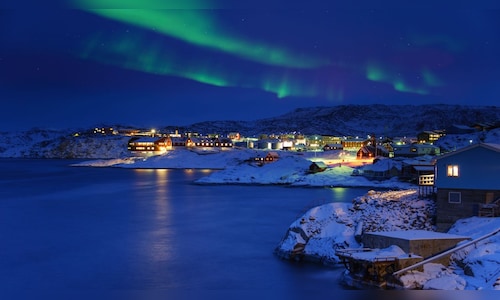
1 / 9In regions above the Arctic Circle and below the Antarctic Circle, winter ushers in the polar night—a natural occurrence where the sun remains below the horizon for extended periods, sometimes lasting for days or even months. This phenomenon arises from the tilt of Earth’s axis, causing high-latitude areas to be deprived of direct sunlight during wintertime. The resulting long stretches of darkness profoundly influence the culture, lifestyle, and seasonal cycles in these isolated regions of the globe. (Photo: Canva)
 2 / 9
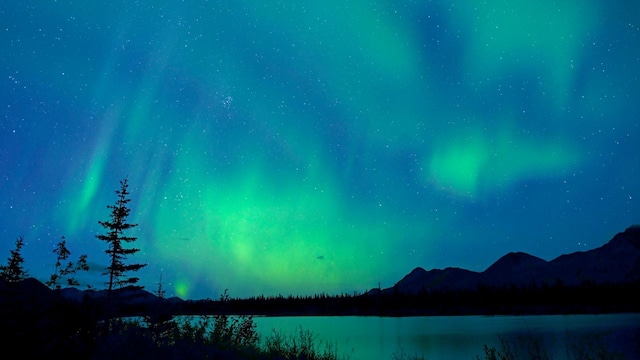
2 / 91. Utqiaġvik, Alaska (USA): Known as the northernmost town in the U.S., Utqiaġvik experiences a unique phenomenon where the sun sinks beneath the horizon in mid-November and remains absent until late January, resulting in approximately 64 days void of direct sunlight. The town’s inhabitants enjoy a consistent twilight along with stunning aurora borealis displays illuminating the dark skies. In spite of the frigid temperatures, the civil twilight and moonlight add a gentle glow to daily life. (Photo: Canva)
 3 / 9
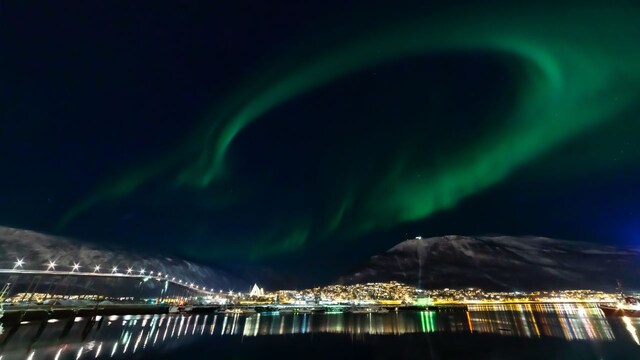
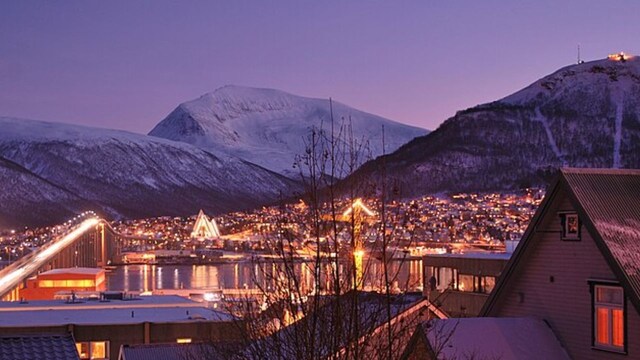
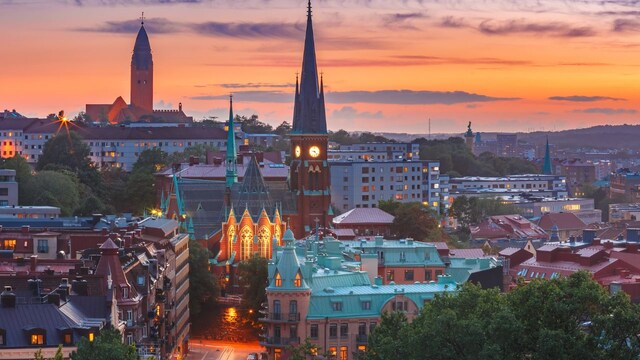
3 / 92. Tromsø and Svalbard, Norway: Located well above the Arctic Circle, northern Norway—which includes Tromsø and the remote archipelago of Svalbard—experiences months where the sun fails to rise. In Svalbard, the polar night can persist for almost four months, engulfing the surroundings in continuous darkness, intermittently illuminated by auroras and starlight. These extended nights provide captivating landscapes, perfect for winter exploration against a backdrop of icy fjords and snow-tipped mountains. (Photo: Wikimedia Commons)
 4 / 9
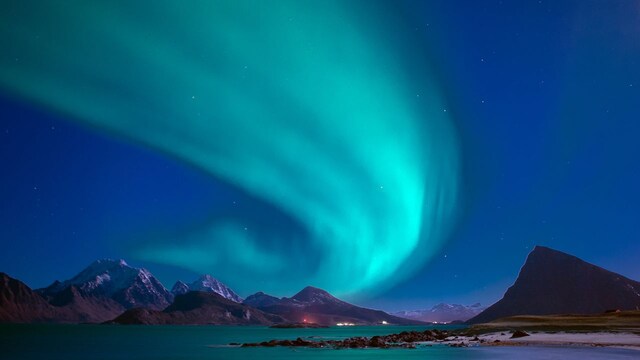
4 / 93. Northern Sweden: In the extreme north of Sweden, places like Kiruna undergo lengthy periods of darkness as part of the polar night experience. While the sun is absent, the sky frequently dazzles with beautiful twilight colors and captivating displays of the northern lights. This striking contrast of deep winter creates a tranquil, snow-blanketed environment unlike anything found at lower latitudes. (Photo: Canva)
 5 / 9
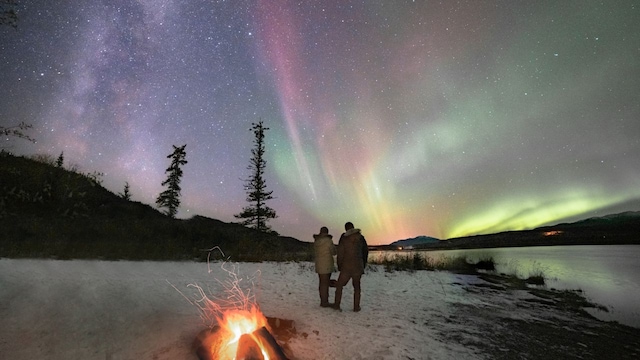
5 / 94. Finnish Lapland: Lapland in Finland witnesses phases of winter where daylight is scarce or completely absent, with the sun barely rising over the horizon. Areas near the Arctic Circle undergo polar night, characterized by short spells of twilight that emit a soft, pearlescent glow during midday. Adventurers often seize these dark days to hunt for auroras, embark on husky safaris, and explore snowy landscapes beneath starry skies. (Photo: Canva)
 6 / 9
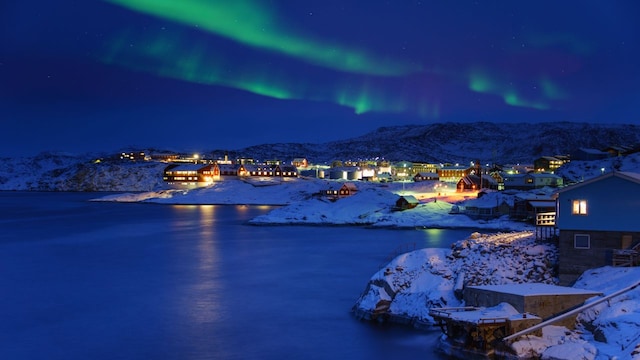
6 / 95. Northern Canada: Within northern Canada, particularly in the Yukon, Northwest Territories, and Nunavut, communities that lie within the Arctic Circle endure several weeks of uninterrupted darkness during winter. The absence of sunlight is punctuated by brief phases of dim twilight, turning polar nights into both a challenge and a wonder for adventurous travelers. Even in these harsh conditions, rich Inuit culture and traditions continue to thrive. (Photo: Canva)
 7 / 9
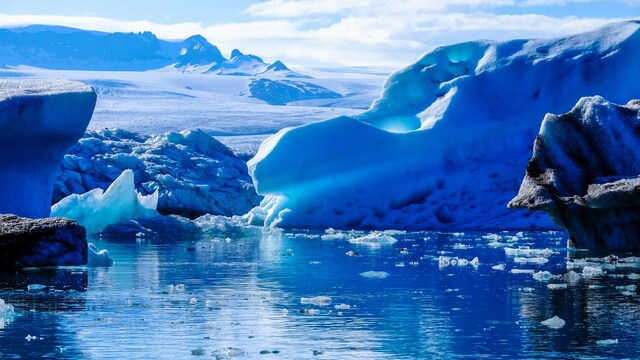
7 / 96. Greenland’s polar darkness: In the high Arctic regions of Greenland, the true polar night unfolds, with the sun absent from the horizon for extended periods from late November to mid-January. Snow and ice amplify the faint ambient light, yielding stunning blue twilight hues at midday. This protracted darkness also creates perfect conditions for witnessing the northern lights. (Photo: Canva)
 8 / 9
8 / 97. Antarctica’s long winter night: At the South Pole and across much of Antarctica, the polar night can extend for a duration of six months, with the sun vanishing from autumn until spring. Research stations and wildlife habitats endure the lengthy darkness before a return to continuous daylight during the summer season. This extreme cycle shapes life on the icy continent, where the interplay of light and dark orchestrates seasonal patterns. (Photo: Canva)
 9 / 9
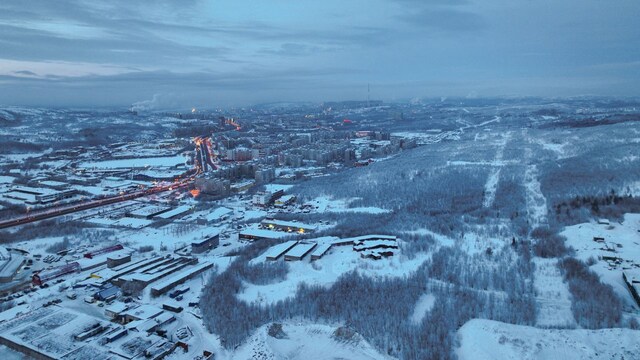
9 / 98. Russia’s polar night: In certain regions of northern Russia, including cities such as Murmansk and Norilsk, winter is marked by a lengthy polar night during which the sun remains absent for weeks. Murmansk records around 40 days of dark, while Norilsk often faces even longer durations without sunlight. Throughout this period, life continues under the persistent twilight, aided by streetlights and spectacular displays of the northern lights. (Photo: Canva)