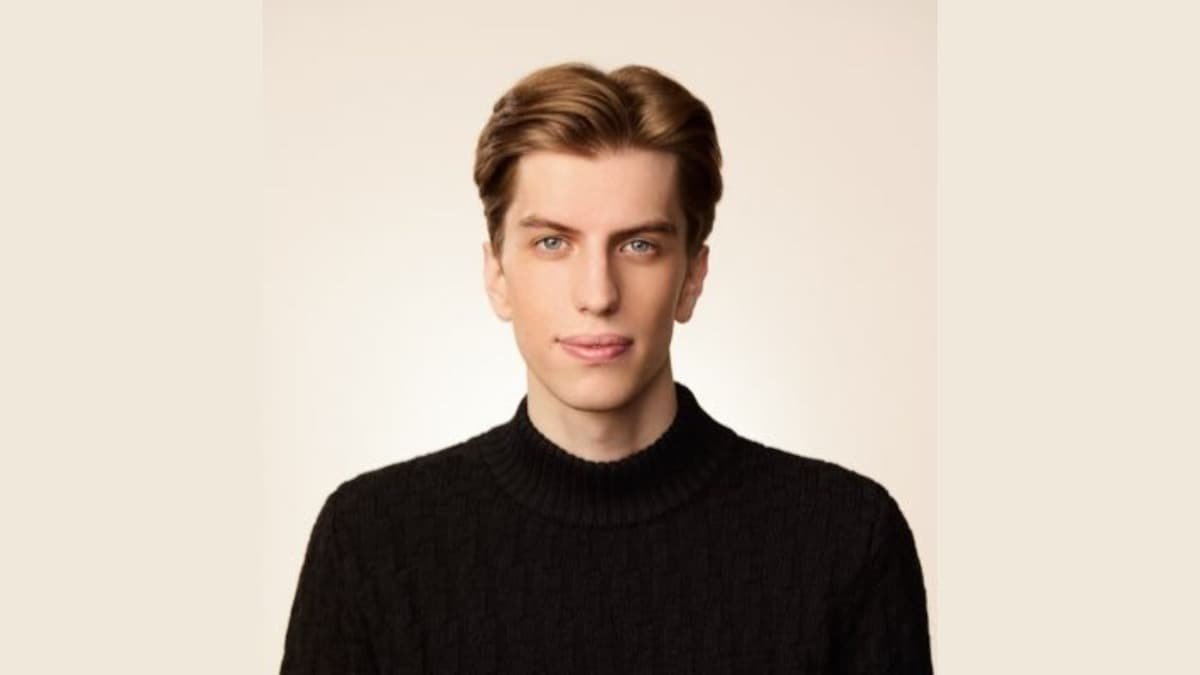
This swift transition feels almost cinematic for a 24-year-old once dubbed the “Nostradamus of AI,” occurring conveniently in the same week as his wedding.
The mechanics of the blowup
While the headline figures are striking, the more fascinating aspect is how a fund based on a seemingly accurate thesis nearly faced total collapse. According to CNBC’s David Faber, the fund executed a block trade to liquidate its entire public equities book, encompassing both long and short positions, with the Wall Street Journal confirming Citadel as the buyer.
The underlying issue stemmed from leverage rather than the thesis itself. The Wall Street Journal reported that Aschenbrenner had utilized three to four times leverage on his positions—essentially borrowing three to four dollars for every dollar of investor capital. This level of gearing can transform a typical sector downturn into a solvency crisis, leading CNBC to report that the fund was compelled to respond to margin calls from its lenders as positions deteriorated through late July.
The strategy was heavily invested in one of the year’s more crowded trades on Wall Street. According to CNBC, the fund positioned itself to capitalize on companies anticipated to supply chips, data centers, and power for AI growth, while betting against software firms deemed vulnerable to AI disruptions—with public filings revealing significant long stakes in Nebius, Bloom Energy, SanDisk, CoreWeave, SharonAI, and IREN as of late March. When memory and semiconductor stocks sharply declined in July, both parts of a leveraged, concentrated portfolio faced simultaneous pressure—the classic scenario for a forced unwinding.
Also read: OpenAI claims Astra made a massive breakthrough in math
What he kept
One crucial detail often overlooked is that Aschenbrenner did not lose everything; he safeguarded what could be his most valuable asset. The fund’s private portfolio—which contains a significant stake in Anthropic—was not included in the sale to Citadel. According to Michael Spencer’s AI Supremacy newsletter, it is estimated that around $5 billion remains in his Anthropic position alone, a holding that could appreciate significantly if the company goes public eventually—though this figure is an external estimate, not an official disclosure from the fund.
Moreover, there was more competitive tension during the sale than the “distressed dump” narrative implies. Citadel competitor Millennium, along with existing Situational Awareness investor Jane Street, also placed competitive bids for the public portfolio before Citadel emerged victorious.
From manifesto to margin call
The story begins with a document rather than a trade. In Aschenbrenner’s June 2024 essay, “Situational Awareness,” he argued that artificial general intelligence was approaching more rapidly than either governments or the public realized, positing that only a small group of insiders genuinely understood the implications. The essay quickly became essential reading in AI circles and propelled its then-22-year-old author—who had just been dismissed from OpenAI’s Superalignment team due to a conflict over how he raised internal security concerns—into a minor celebrity. Within weeks, this newfound fame garnered $225 million in seed funding from notable backers, including Stripe’s Patrick and John Collison, former GitHub CEO Nat Friedman, and investor Daniel Gross.
This led to one of the most remarkable capital-raising feats in recent hedge fund history: growing from $225 million to a reported high of $45 billion—all based on the same AI-infrastructure thesis presented in the essay, now expressed as a leveraged, concentrated equity book.
Also read: Would you trust AI with your bank account?
The wedding subplot
The timing renders this situation less a straightforward finance story and more a small pop-culture moment within AI circles. Aschenbrenner is set to marry Avital Balwit, chief of staff to Anthropic CEO Dario Amodei, this weekend in Carmel, California—a ceremony that the Wall Street Journal reports will feature a “colloquium of panels and breakouts” at a Tuscan-style villa. Reports suggest that Aschenbrenner spent the week leading up to the wedding working to stabilize the fund, even offering one-on-one calls with investors during his honeymoon. The couple met through the FTX Future Fund, and Aschenbrenner shared an office with podcaster Dwarkesh Patel while hosting happy hours for researchers from OpenAI and Anthropic.
The read that gets missed
The tempting narrative of a boy genius facing inevitable consequences is compelling but ultimately incomplete. This scenario didn’t stem from a fund misjudging a trade; instead, it highlights a fund that was on the right track in terms of direction but miscalculated its survival strategy. As Wall Street coach Jerry Diao remarked to CNBC prior to the unwind, the concern wasn’t whether it would happen, but when.
Notably, Aschenbrenner still retains the part of his portfolio most likely to affirm the original thesis: his Anthropic stake—despite losing control of nearly all his other holdings. Whether this counts as merely “a bump in the road” rather than a significant reputational setback will largely hinge on the performance of AI infrastructure stocks and Anthropic’s own valuation over the next year.