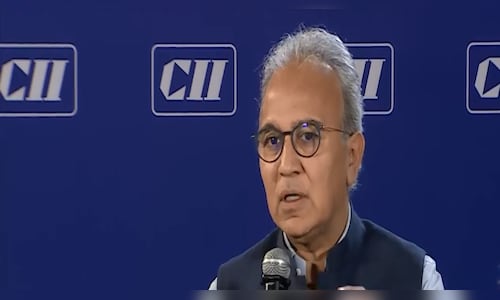
As oil prices surpass $100 a barrel and global markets remain unsettled, Memani described the situation as “a really serious issue” for the industry and government alike, noting that early signs of stress are already apparent. “It is beginning to impact in numerous ways—whether through raw material availability, the entire supply chain ecosystem that is currently unstable, or logistics challenges, which are equally significant and troubling,” he stated.
These remarks come amid increasing concerns over a larger macroeconomic decline, including potential risks to India’s FY27 growth forecast, an expanding trade deficit, and pressure on the current account, as highlighted by policymakers.
Memani stressed that the government has been proactive and remains closely connected with the industry as the situation progresses. “The government has been in regular contact with industry… we are completely aligned,” he remarked, adding that the responsiveness has been reassuring.
He mentioned that current discussions are focused on addressing immediate disruptions, particularly those concerning logistics, financing, and the availability of critical inputs like gas and feedstock. Simultaneously, there is a dual emphasis on supporting vulnerable sectors and ensuring operational continuity.
Looking beyond the immediate crisis, Memani pointed out the emerging macroeconomic pressures from high energy imports and currency fluctuations. “The current account deficit is increasing due to energy imports… remittances and foreign direct investments will face challenges,” he indicated, referencing broader risks to fiscal capacity as well.
Also Read | CEA: West Asia crisis to impact India’s growth; clearer FY27 outlook likely after Apr-May
He further noted that policymakers and industry leaders are working on long-term strategies to turn the crisis into an opportunity, which includes boosting domestic manufacturing, maintaining private investment momentum, and pinpointing areas to attract foreign capital.
“The focus is on managing both demand and supply,” Memani stated, noting that the government is addressing issues “almost daily” as the situation evolves.
He also suggested that the disruption could expedite India’s energy transition initiatives. “There will be a push towards shifting to energy sources where India has greater control,” he explained, mentioning areas like compressed biogas, ethanol, and renewables as part of the broader strategic response.