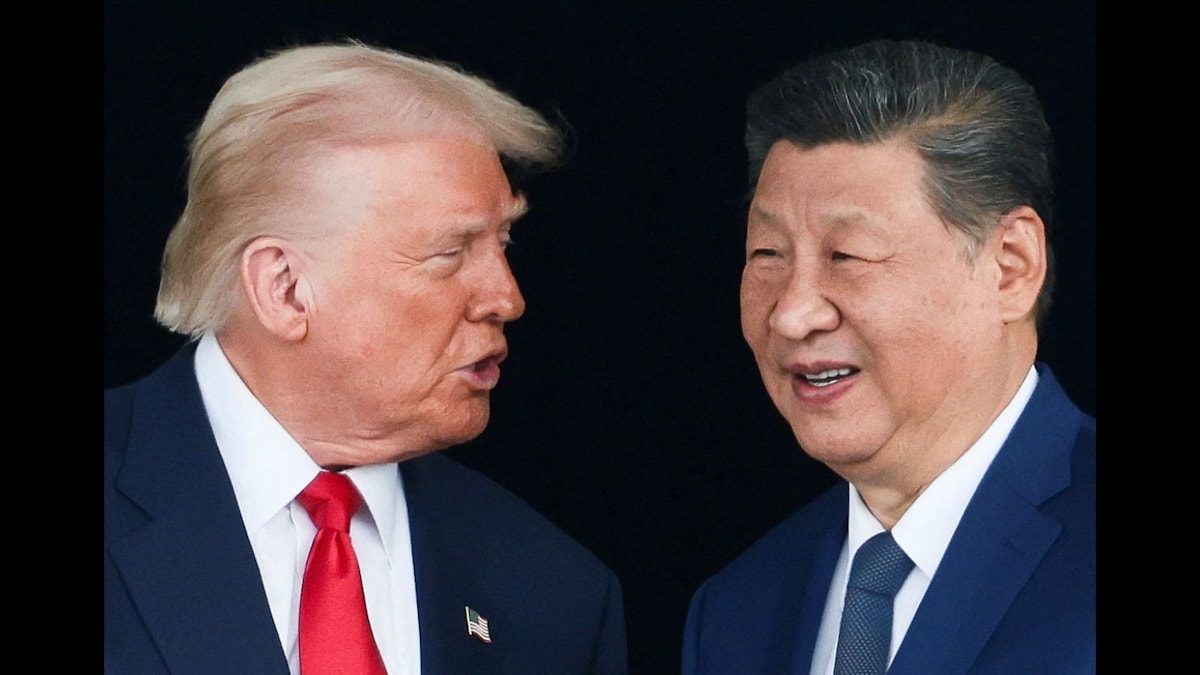
This change coincides with growing favorable views of China and President Xi Jinping, which have narrowed — and in some instances reversed — the previous gap with the US and its leader.
Among the 20 nations surveyed annually since 2023, the median approval rating for the US has dropped from 58% in 2023 to 36% in 2026. Conversely, China’s favorable rating has risen from 32% to 46% during the same timeframe.
In the previous year, the US still enjoyed a 48%-38% lead over China.
The latest findings reveal that China is now viewed more positively than the US in the majority of the 36 countries included in the survey. The US only maintained an advantage in six nations, including India, Japan, the Philippines, and South Korea.
This reversal is particularly noteworthy in Canada.
In 2023, 57% of Canadians expressed a favorable opinion of the US, while only 14% felt the same about China. By 2026, China’s favorable rating had surged to 44%, whereas the US’s approval had decreased to 33%. Similar trends were observed in several European nations and Australia.
Confidence in the leaders of both nations has followed a similar trajectory. The median confidence in the US president dropped from 32% in 2025 to 21% in 2026, while confidence in Xi increased from 25% to 31%.
The report indicates that although “many individuals still lack confidence in Xi,” positive perceptions of him have become more common, with more people now expressing confidence in Xi than in Trump.
Nevertheless, the US maintains an edge over China regarding perceptions of personal freedom.
Among the 36 countries surveyed, a greater number of respondents believed that the US government respects the personal freedoms of its citizens than those who said the same about China. However, Pew noted that the gap is closing, “largely due to a decrease in the number of people in almost every nation surveyed who say the US government respects its citizens’ personal freedoms” since the last inquiry in 2021.
The survey also illuminated a clearer divide regarding the global roles of the two powers. In 17 middle-income countries, a median of 75% perceived the US as interfering in other nations’ affairs, compared to 45% for China. In contrast, 69% regarded China as a somewhat or very reliable partner, while only 49% felt the same about the US.
The results are based on interviews with 42,151 individuals across 36 countries conducted between February 8 and May 13, 2026.