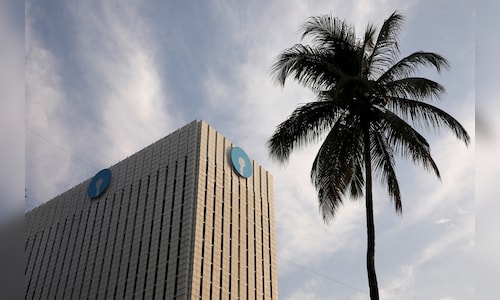
An SBI notice dated January 14, 2026, sent to a vendor, announced the termination of the lease for the 11th to 16th floors of the Jeevan Sudha Building located on Jawaharlal Nehru Road in central Kolkata, which housed the foreign exchange and global markets unit.
The notice allocates a one-month period for vacating the premises, indicating the bank’s plan to relocate its treasury and forex operations to Mumbai.
Previously, the bank operated its GMU along with some international functions from the Jeevan Sudha Building.
Nonetheless, the bank has a significant structure, Samriddhi Bhavan, situated at 1, Strand Road by the banks of the Hooghly, which serves as a key hub for various SBI departments, including the State Bank Archives & Museum, and provides services that range from retail banking to specialized roles while also accommodating a large regional office.
The Bank Bachao Desh Bachao Manch (BBDBM), a civil society platform, reported that SBI has already informed the Life Insurance Corporation of India, the owner of the building, of its plans to vacate, suggesting that the closure of GMU Kolkata is being executed at the administrative level.
In a letter submitted during the second week of January to RBI Governor Sanjay Malhotra, BBDBM urged the central bank to deny the surrender of GMU Kolkata’s banking license, asserting that any closure without explicit regulatory consent would “pre-empt” the RBI’s statutory authority and disrupt the regulatory framework.
The GMU and Centralised Global Back Office (CGBO) were launched in Kolkata in 2015 under the leadership of former SBI chairperson Arundhati Bhattacharya and have operated as crucial back-office functions supporting international centers such as London, Hong Kong, and New York.
BBDBM joint convener Soumya Datta remarked that the unit has significantly impacted West Bengal’s economic landscape by enabling international and offshore banking activities from eastern India, thus creating both direct and indirect employment.
The anticipated closure, he cautioned, might lead to the loss of specialized banking functions and diminish Kolkata’s position as a financial gateway for eastern and northeastern India.