 1 / 8
1 / 8Colonial roads and India’s modern network: The roads established during British rule were meticulously designed, often featuring straight lines to enhance military movement and resource collection. Today, many of these routes are foundational to India’s extensive national and state highway systems. Repurposed and upgraded, they play a vital role in daily transportation and trade throughout the country. (Picture: Wikimedia Commons)
 2 / 8
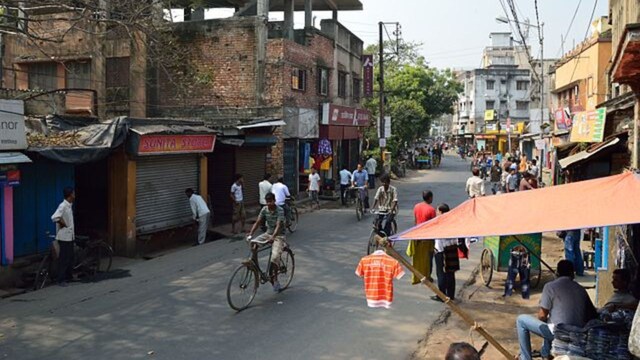
2 / 8Grand Trunk Road – India’s historical transport artery: The Grand Trunk Road (GT Road) was upgraded by the British to link Calcutta (now Kolkata) with Peshawar, extending over 2,500 km through northern India. Although initially constructed long before colonial times, the British formalized its path to facilitate troop and goods movement throughout the subcontinent. Presently, parts of this ancient route are essential segments of India’s contemporary highway network, utilized by millions annually. (Picture: Wikimedia Commons)
 3 / 8
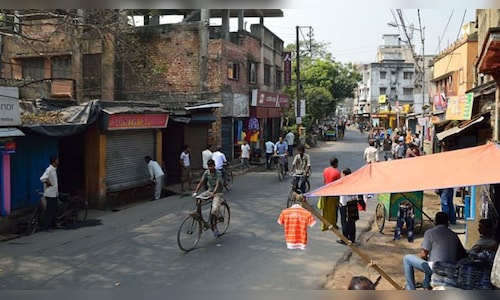
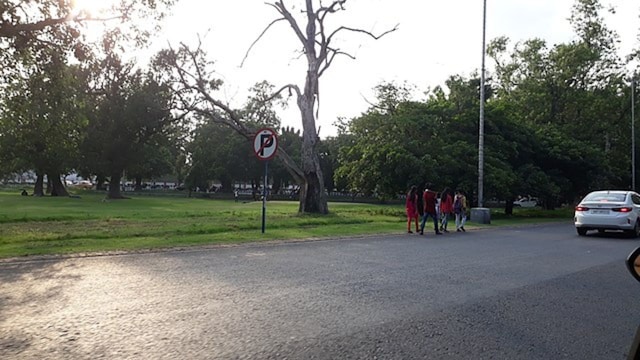
3 / 8Red Road – Kolkata’s historic avenue: Constructed in 1820 in Calcutta (now Kolkata), the Red Road was initially designed by the British as a broad parade ground and thoroughfare cutting through the Maidan. Over the years, it evolved into a primary urban route connecting Fort William with the city’s southern areas. Today, it remains a crucial part of Kolkata’s transportation system, hosting events such as marathons and civic parades. (Picture: Wikimedia Commons)
 4 / 8
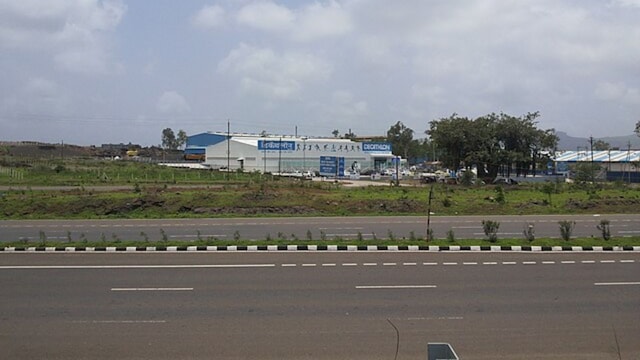
4 / 8Bombay-Agra Road – colonial connection to the plains: The Bombay–Agra Road, created by the British to connect the western port city of Bombay (now Mumbai) to the northern plains, became an essential part of the colonial infrastructure, aiding trade and military logistics. Over time, this route became a component of India’s National Highway network, acting as a crucial corridor for passenger and cargo traffic across multiple states. (Picture: Wikimedia Commons)
 5 / 8
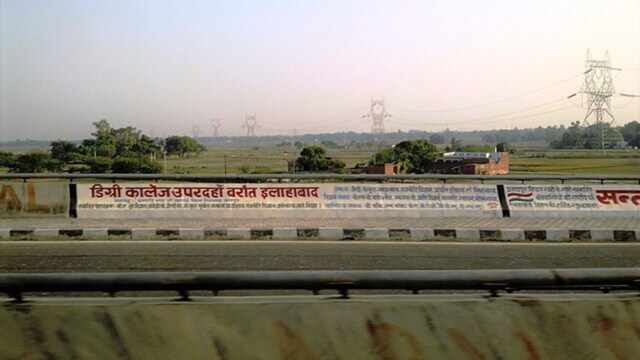
5 / 8Calcutta-Agra route still operational: Established during British reign, the Calcutta–Agra Road connected eastern and northern India, crucial for the colonial administration and logistics. This historic route today integrates with the Grand Trunk Road and modern highways, remaining essential for northern India’s transportation framework. (Picture: Wikimedia Commons)
 6 / 8
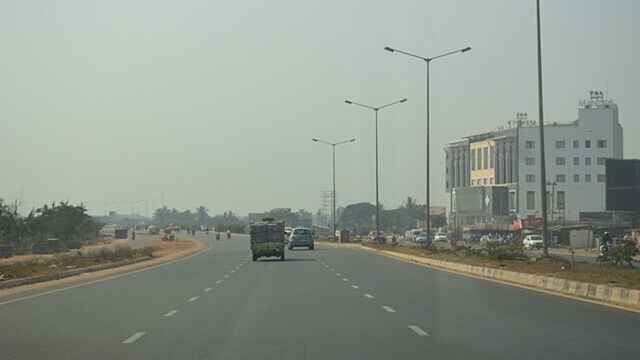
6 / 8Madras–Calcutta Road – east-coast linkage: The British established the Madras–Calcutta Road to connect two prominent presidencies on India’s east coast, enhancing military integration and resource transport. In contemporary times, much of this road functions as important national and state highways linking southern and eastern India. (Picture: Wikimedia Commons)
 7 / 8
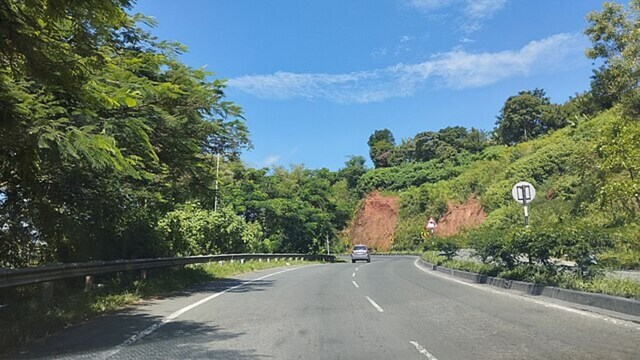
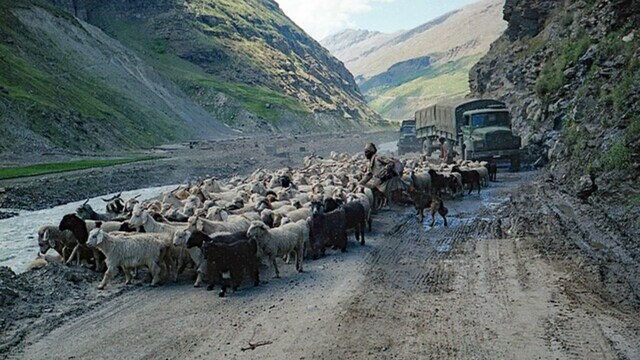
7 / 8Himalayan military roads – important mountain connectors: To establish control over northern frontier areas, the British constructed military roads in the Himalayas, particularly in present-day Himachal Pradesh, Uttarakhand, and Jammu & Kashmir. Many of these paths have been modernized yet continue to serve crucial roles for civilian travel, military deployment, and tourism in the hilly regions. (Picture: Wikimedia Commons)
 8 / 8
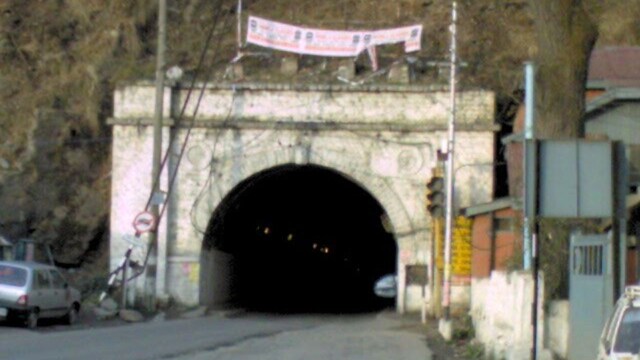
8 / 8Dhalli Tunnel – Shimla’s gateway from the British era: Located near Shimla, the Dhalli Tunnel was initiated in 1850 and completed in 1852 under British guidance to facilitate access in the Himalayas. Today, this historic tunnel remains a crucial connection between the hill station and the plains, showcasing how colonial engineering continues to enhance modern transportation. (Picture: Wikimedia Commons)