
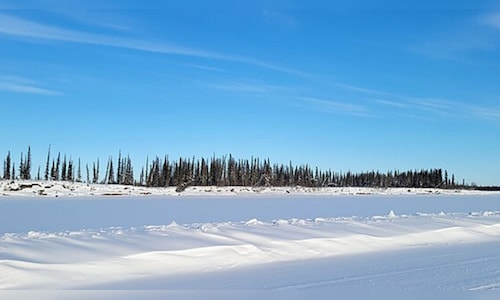
In the frigid northern regions of India, frozen rivers emerge as crucial winter pathways. From the Zanskar and Shyok rivers in Ladakh to Himachal’s Spiti River, these seasonal routes facilitate transportation, supply delivery, and the survival of isolated communities when snow makes traditional mountain routes impassable.
2 Min Read

 1 / 6
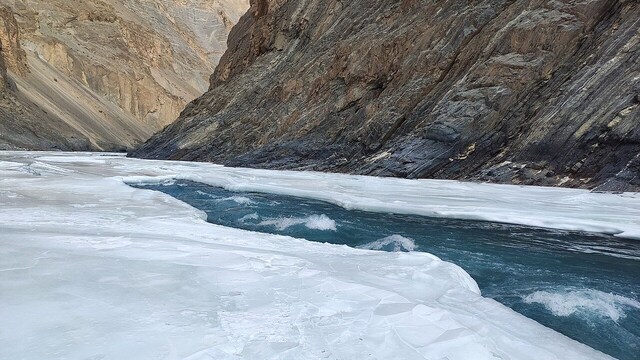
1 / 61. Zanskar River, Ladakh: The Chadar Road, formed over the frozen Zanskar River in Ladakh, serves as a crucial winter pathway, allowing isolated villages to remain connected when heavy snowfall obstructs mountain routes. (Image: Canva)
 2 / 6
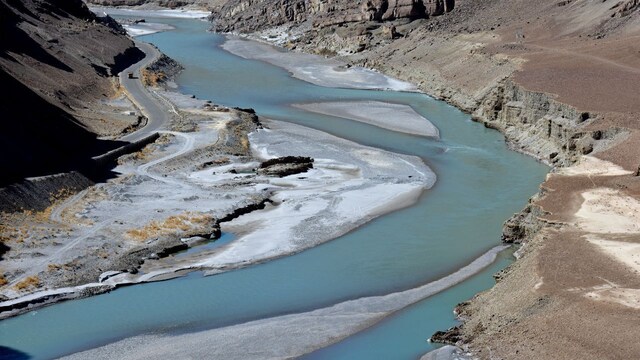
2 / 62. Indus River, Upper Ladakh Stretches: During the peak winter season, certain areas of the Indus River in upper Ladakh freeze. These frozen segments are utilized for brief crossings and local travel, especially in villages where snowblocks access for weeks. While not suitable for long-distance trips, the frozen Indus sustains basic connectivity. (Image: Canva)
 3 / 6
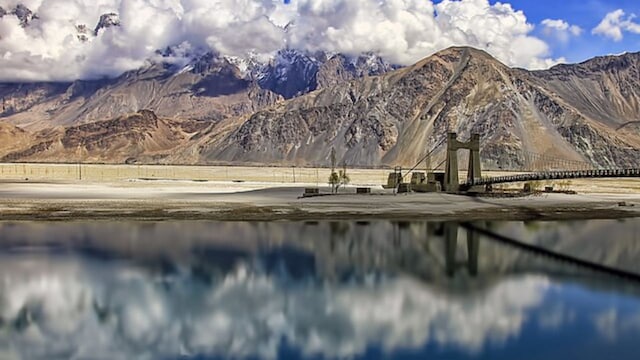
3 / 63. Shyok River, Ladakh: The Ice Road along the Shyok River in Ladakh is crucial in winter, providing connectivity to remote border areas. Utilized by both the Indian Army and locals, it facilitates essential travel in high-altitude regions. This frozen passage exemplifies resilience and strategic resourcefulness amid the challenging icy landscape of Ladakh. (Image: Wikimedia Commons)
 4 / 6
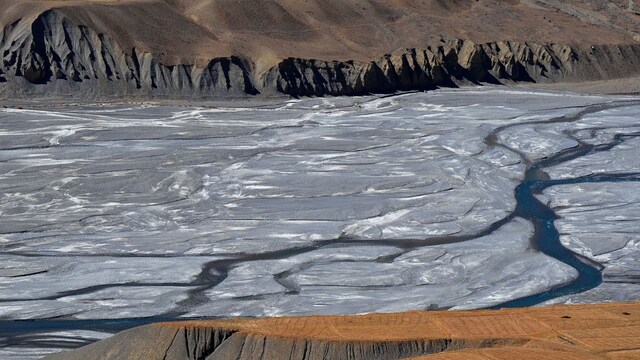
4 / 64. Spiti River, Himachal Pradesh: In the Spiti Valley of Himachal Pradesh, portions of the Spiti River freeze in the depth of winter. With roads obstructed by heavy snow for months, the frozen river sections become crucial for short-distance travel and access within villages, providing essential support in this remote tribal area. (Image: Canva)
 5 / 6
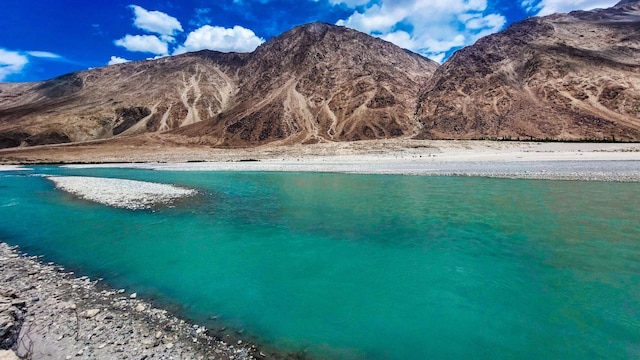
5 / 65. Nubra River, Ladakh: The Nubra River, flowing through Nubra Valley, experiences partial freezing during severe winters. Locals use the frozen sections for essential movements and travel when road access is challenging. This river plays a supportive role in winter connectivity near the Siachen region. (Image: Canva)
 6 / 6
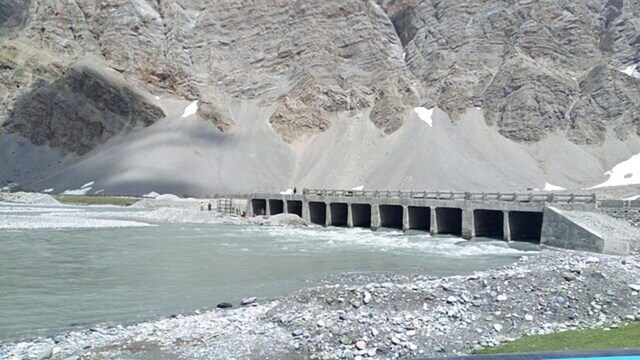
6 / 66. Dras River, Ladakh: Renowned as one of the coldest inhabited regions in the country, sections of the Dras River freeze during winter due to extreme cold. These frozen areas are occasionally used for local crossings, aiding residents in moving between adjacent settlements when conditions permit. (Image: Wikimedia Commons)


