
 1 / 9
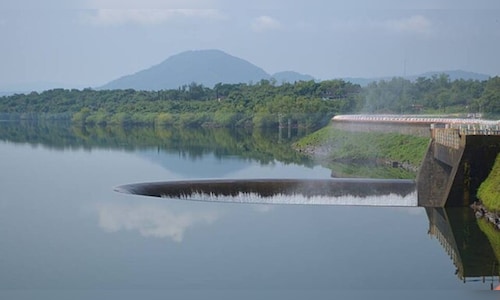
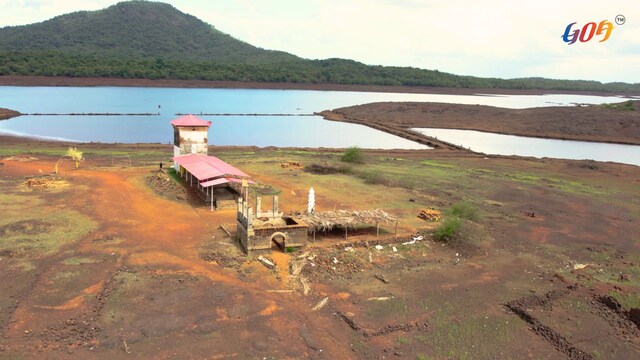
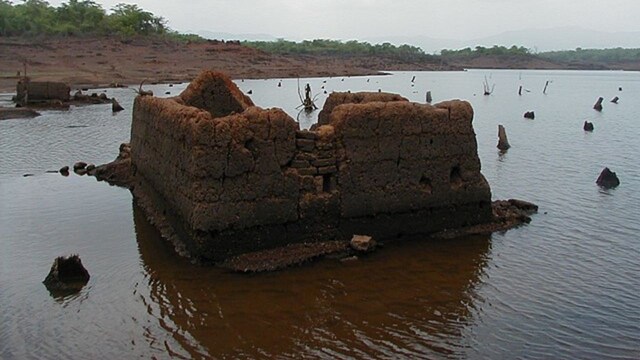
1 / 9Curdi: The Village That Vanishes: Located in South Goa, Curdi (or Kurdi) remains submerged under the Salaulim Dam’s reservoir for almost 11 months each year. The village’s remains surface only during the dry months, primarily in April and May, when water levels recede. (Picture: Department of Tourism, Goa)
 2 / 9
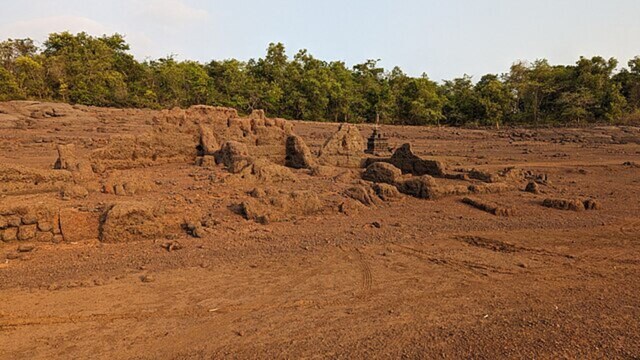
2 / 9A Historical Legacy: Once a bustling agricultural village filled with homes, temples, and shrines, Curdi was submerged in the 1980s due to the Salaulim Irrigation Project. Today, its cracked earth and remnants of buildings briefly reveal the past before the monsoon returns. (Picture: Wikimedia Commons)
 3 / 9
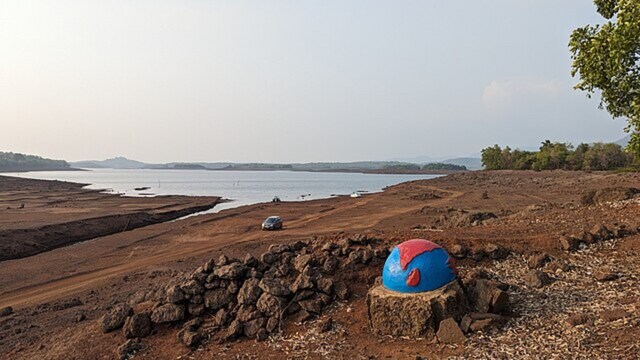
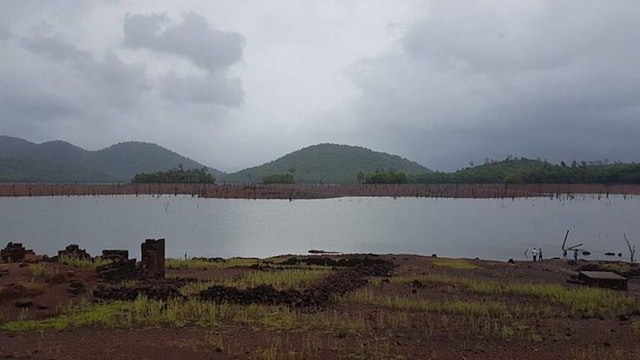
3 / 9The Annual Resurgence: As April and May approach, the reservoir gradually dries up, uncovering cracked soil and aged ruins. Visitors can explore paths, walls, and foundations in what becomes a haunting, open-air monument of Curdi. (Picture: Wikimedia Commons)
 4 / 9
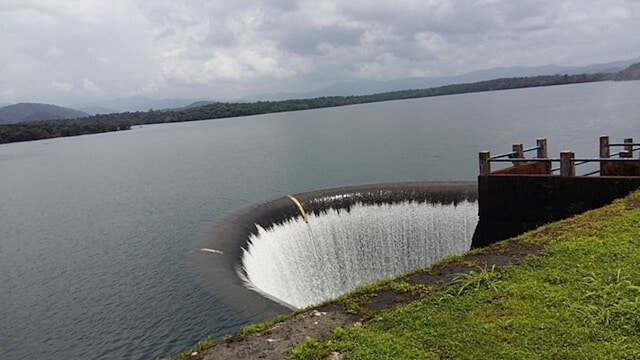
4 / 9Life Before the Inundation: Curdi was home to around 3,000 residents of diverse faiths, supported by plantations of coconut, mango, and jackfruit. Known for its rich paddy fields, the valley thrived prior to the dam’s establishment. (Wikimedia Commons)
 5 / 9
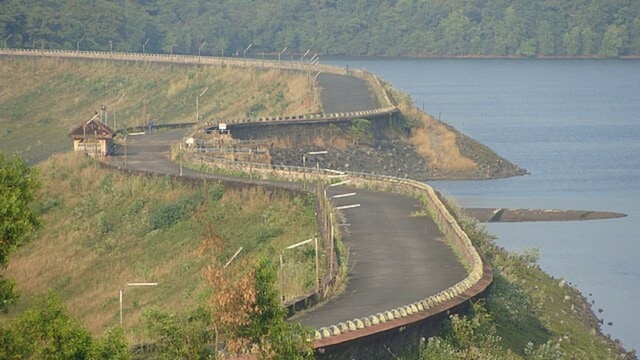
5 / 9A Village Submerged by Progress: Prior to its flooding, Curdi was a vibrant settlement filled with homes, temples, and communal areas. Its demise occurred in the mid-1980s with the construction of the Salaulim irrigation project, resulting in the relocation of residents who left behind all they knew, now mostly underwater. (Picture: Wikimedia Commons)
 6 / 9
6 / 9Memories of Displacement: As the water level of the Salaulim Dam rose, former villagers were moved to nearby areas such as Vaddem and Valkinim, leaving their homes and history behind. The yearly re-emergence of Curdi serves as a poignant moment for those who wish to reconnect with their roots. (Picture: Wikimedia Commons)
 7 / 9
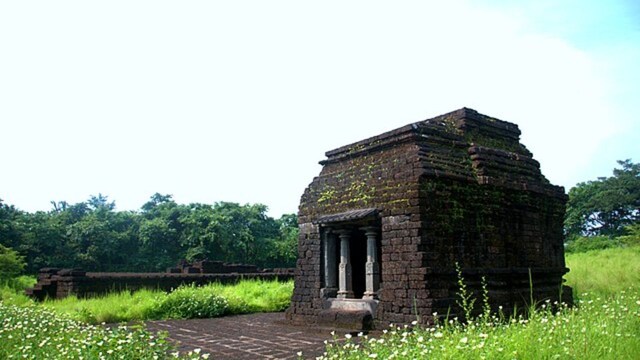
7 / 9Resurfacing of Sacred Spaces: Notable structures like the Someshwar temple and other religious sites become visible once more, drawing attention to the spiritual heritage of the village. For former inhabitants, this revival evokes profound emotional responses. (Picture: Wikimedia Commons)
 8 / 9
8 / 9Nature’s Cycle and Lasting Reminders: As monsoon season arrives, Curdi is once again submerged, completing its annual cycle. The village’s ongoing disappearance serves as a reminder of how development can irrevocably alter landscapes, alongside representing loss, memory, and resilience. (Picture: Wikimedia Commons)
 9 / 9
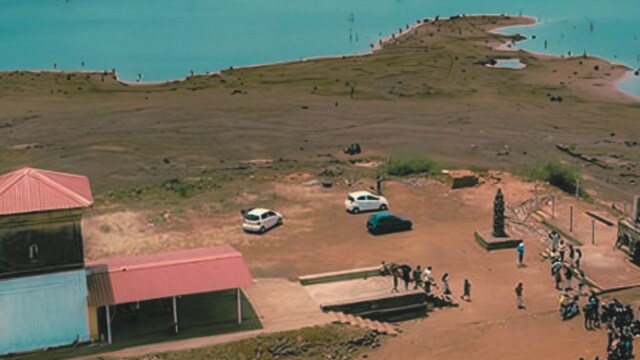
9 / 9A Unique Seasonal Draw for Visitors: During its fleeting return to visibility, Curdi attracts tourists, photographers, and history lovers from across Goa and beyond. Known colloquially as the “vanishing village,” it can be explored by foot or boat, depending on how much land is accessible, making it a unique seasonal attraction. (Picture: Department of Tourism, Goa)


