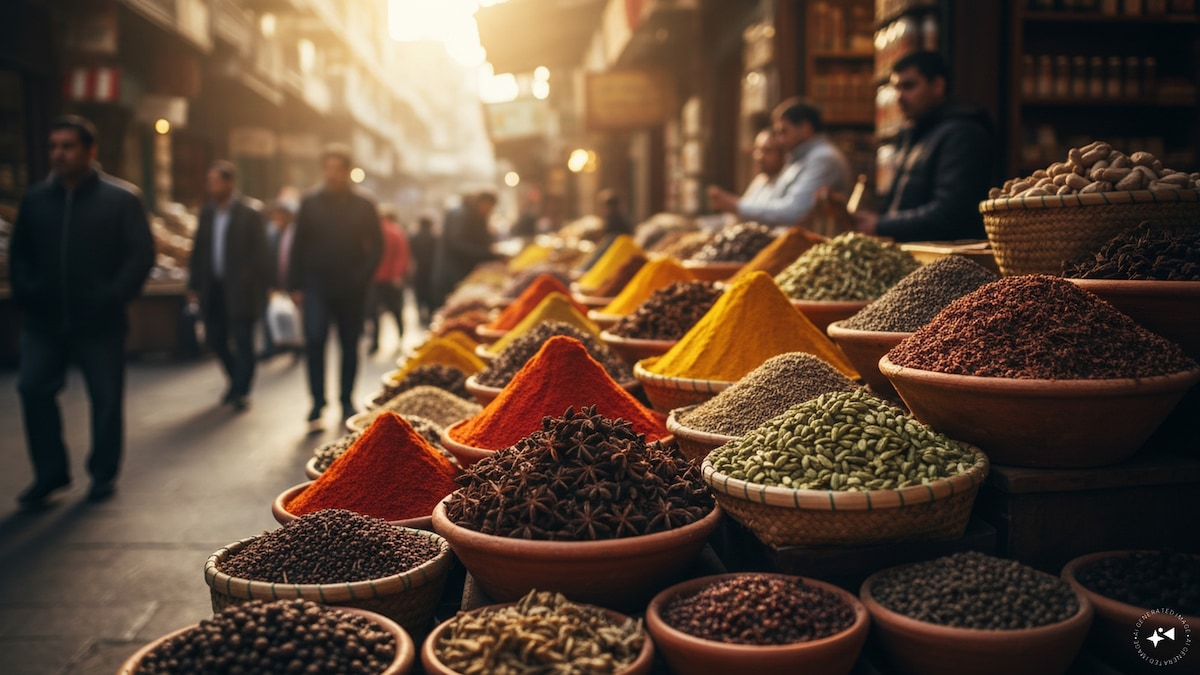
From Delhi’s Khari Baoli to Istanbul’s Spice Bazaar, these six iconic spice markets uphold age-old trading customs while attracti…

 1/6
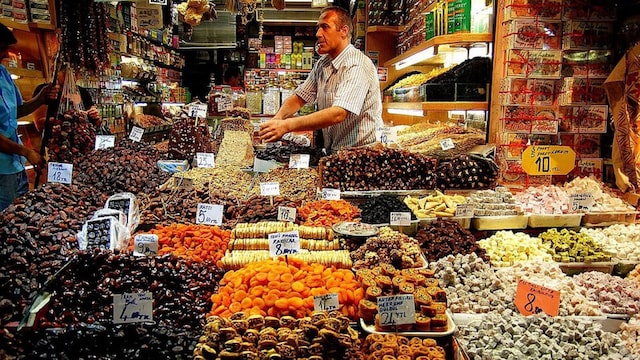
1/6Spice Bazaar (Mısır Çarşısı), Istanbul, Türkiye | Established in the 17th century as part of the Yeni Mosque complex, Istanbul’s Spice Bazaar is among the world’s most renowned spice markets. It historically functioned as a significant hub for spice trading throughout the Ottoman Empire, with products arriving from Asia, the Middle East, and beyond. Today, its arched corridors host a variety of shops selling saffron, sumac, dried herbs, teas, Turkish delight, nuts, and dried fruits, making it one of Istanbul’s most frequented historical sites. (Image source: Wikimedia)
 2/6
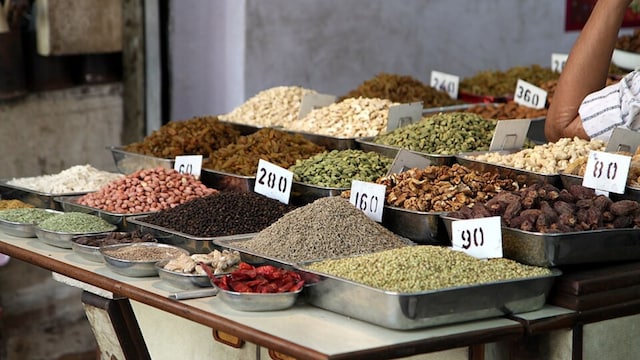
2/6Khari Baoli, Delhi, India | Adjacent to the historic Fatehpuri Mosque in Old Delhi, Khari Baoli has been the epicenter of India’s spice trade since the 17th century. Recognized as Asia’s largest wholesale spice market, it features merchants specializing in turmeric, red chilies, cardamom, cloves, cinnamon, black pepper, and various dried fruits and herbs. The vibrant market remains an essential commercial area while providing an insight into India’s rich spice-trading past. (Image source: Wikimedia)
 3/6
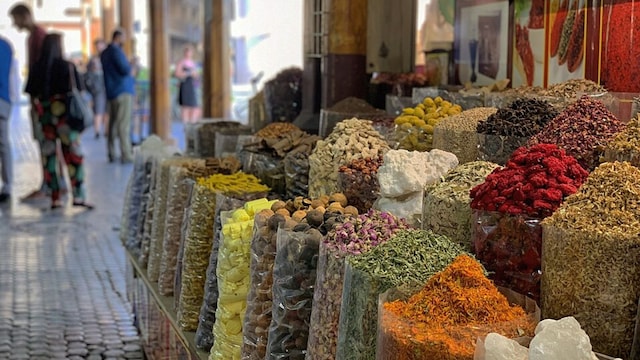
3/6Dubai Spice Souk, Dubai, United Arab Emirates | Situated in the historic Deira district, the Dubai Spice Souk epitomizes the city’s longstanding position as a regional trading nexus linking Asia, Africa, and the Middle East. Its winding alleys are home to vendors offering saffron, frankincense, dried lemons, cinnamon, cloves, herbs, and traditional spice mixtures. Currently, it stands as one of Dubai’s most prominent heritage markets. (Image source: Wikimedia)
 4/6
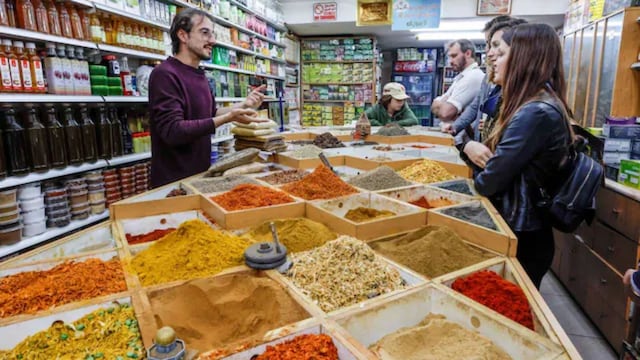
4/6Mattancherry, Kochi, India | For countless years, the historic port of Kochi has been one of the premier global spice trade hubs, drawing merchants from Arab, Chinese, and later European regions seeking black pepper, cardamom, cinnamon, and other treasured spices. Around Mattancherry and nearby Jew Town, traditional warehouses, spice merchants, and exporters uphold this legacy, making the locale a prime destination to witness Kerala’s vibrant spice-trading heritage. (Image source: Wikimedia)
 5/6
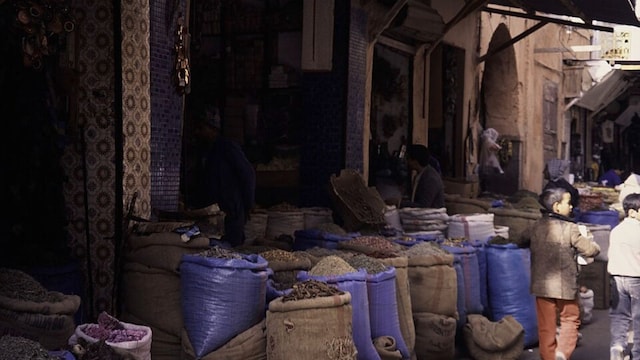
5/6Marrakech Spice Souks, Morocco | Concealed within the UNESCO-listed Medina of Marrakech, the spice souks have played a vital role in Moroccan trade for centuries. Stalls are adorned with cumin, paprika, saffron, turmeric, ras el hanout, and aromatic herbs alongside traditional remedies and essential oils. Their vibrant displays and lively atmosphere provide visitors with an authentic insight into Morocco’s culinary customs and historical trade culture. (Image source: Wikimedia)
 6/6
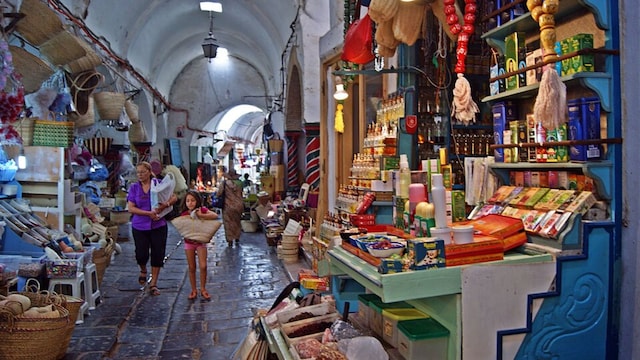
6/6Souk El Attarine, Tunis, Tunisia | Tracing back to the 13th century, Souk El Attarine stands as one of the oldest souks in the Medina of Tunis. While its name originates from the Arabic word for perfumers, it later gained fame for trading spices, herbs, and various aromatic goods from across North Africa and the Mediterranean. Today, it remains one of the Medina’s renowned historical markets, where visitors can explore a rich fusion of culinary and cultural traditions. (Image source: Wikimedia)