
Currently, the Pacific Ocean is experiencing one of the most significant marine heatwaves ever documented, with extensive areas of water exceeding normal temperatures by several degrees …


 1/5
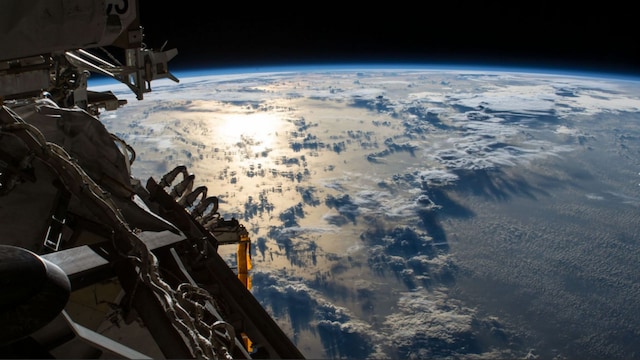
1/5170 million sq km of unusually warm water: A vast marine heatwave has extended over approximately 170 million sq km of the Pacific—about 13.5% of Earth’s total area—spanning from the Philippines to Peru and from the equator towards Hawaii and California, with 37% of the world’s oceans currently facing similar heatwave scenarios. (Image: Wikimedia Commons)
 2/5
2/5The significance of the Pacific: Covering nearly one-third of the Earth’s surface, the Pacific serves as a massive heat reservoir. As warm water evaporates, it releases moisture into the atmosphere, affecting jet streams, rainfall, and storms across Asia, Australia, and the Americas, even impacting parts of Africa. (Image: Wikimedia Commons)
 3/5
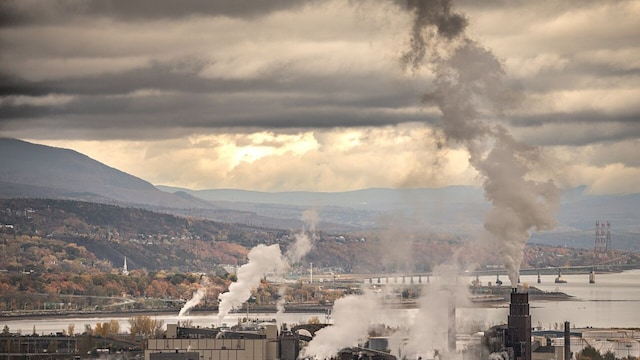
3/5Interaction of greenhouse gases, El Niño, and weak winds: An increase in greenhouse gases is trapping more heat within Earth’s climate system. Oceans, absorbing over 90% of this excess heat, combined with a weakened Pacific Meridional Mode and an intensifying El Niño, are amplifying the warming effect. (Image: Wikimedia Commons)
 4/5
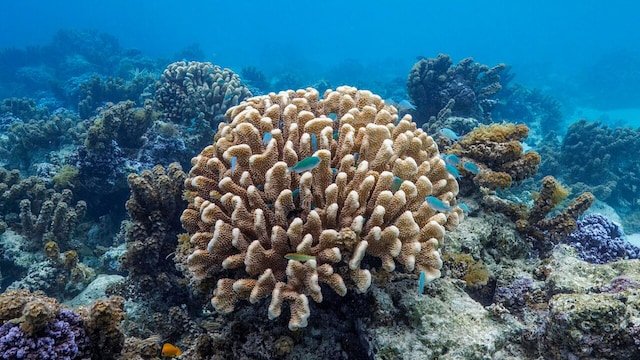
4/5Impact on marine life and rising sea levels: Coral reefs are experiencing bleaching, with fish migrating towards cooler waters, while the warm water is expanding due to thermal expansion, increasing sea levels and the risk of coastal flooding, even without additional ice melting. (Image: Wikimedia Commons)
 5/5
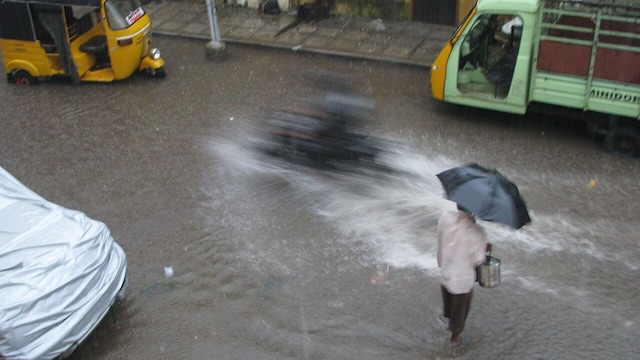
5/5Connections to India and the broader context: Although the Pacific Ocean is distant from India’s shoreline, a robust El Niño tied to this warming phenomenon can weaken the southwest monsoon and alter rainfall patterns. This underscores that while no single heatwave explains every flood or storm, the ongoing warming of oceans is making extreme weather increasingly common for billions of people. (Image: Wikimedia Commons)