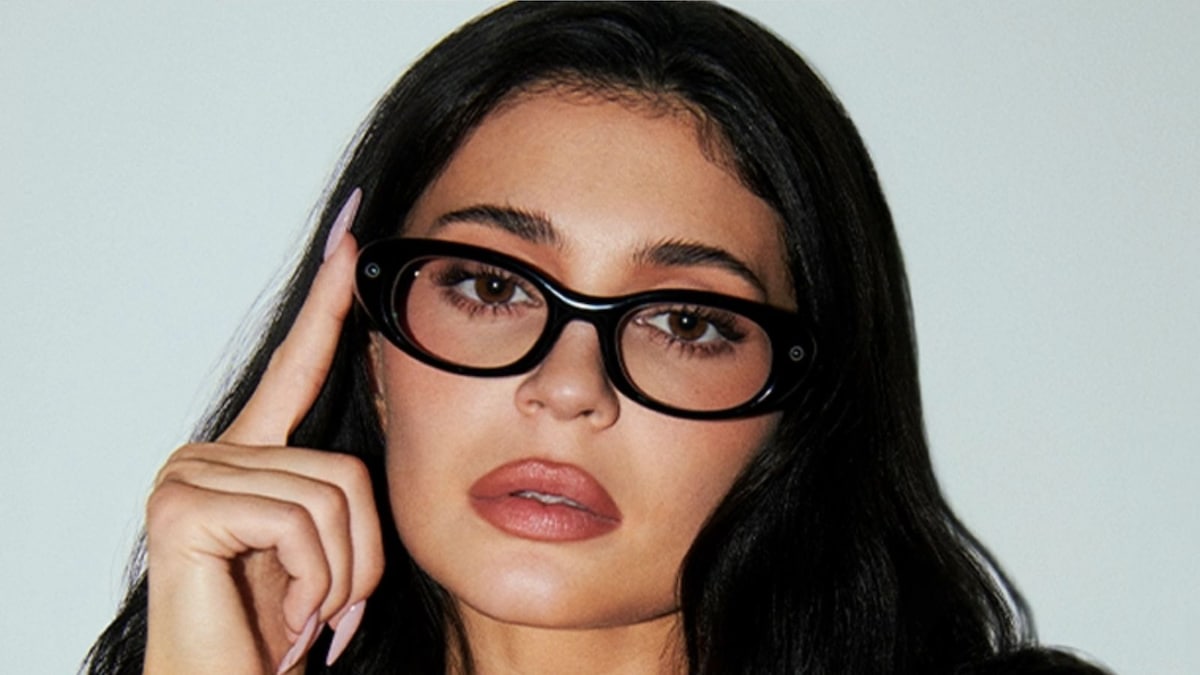
We see through her perspective, using $399 lenses she helped design, as she instructs a team member on statue placement and browses through a clothing rack. The film concludes with a pixelated version of Jenner’s face, a visual cue typically utilized by media to obscure nudity or sensitive content, all while wearing glasses that, according to the ad, ensure you’ll never appear to be wielding a camera.
The Trendy Transformation of a Surveillance Gadget
Smart glasses have existed in various bulky forms since Google Glass made “glasshole” a term in 2013. The real shift lies not in the technology itself, but in its aesthetics. A Forbes India report claims that Meta now commands about 80% of the AI glasses market, selling over 7 million units of its Ray-Ban Meta line in 2025 alone.
Market forecasts suggest that this category will surpass $30 billion by 2030, as per the 2026 State of Fashion report from McKinsey and The Business of Fashion. This report positions “style-conscious” AI eyewear as the most likely product to transition wearable computing into a mainstream practice rather than just a curiosity in gadget stores.
In the past, the smart glasses narrative revolved around functionality: hands-free navigation, real-time translations, and notifications. Currently, the focus is on making the hardware appealing first, with utility as a secondary consideration. Jenner’s association exemplifies this strategy, bringing in a beauty and lifestyle mogul to represent surveillance technology as more of a fashion statement than mere equipment.
Surveillance Capitalism, Fashioned for the Celebration
“Surveillance capitalism,” a term introduced by scholar Soshana Zuboff, describes an economic model that thrives on extracting behavioral and personal data, often without consent, and converting it into predictive products resold to advertisers. Smart glasses, capable of turning the wearer’s entire field of vision into potential training data, fit perfectly within this business framework.
A February 2026 investigation by Swedish outlets, Svenska Dagbladet and Göteborgs-Posten, revealed that footage captured through Meta’s AI glasses is sent to a Kenya-based data annotation company, Sama, subcontracted to categorize data for AI training purposes. Employees reported reviewing recordings of individuals undressing, credit card details, and other private material, often captured by users unaware that their cameras were engaged.
A subsequent lawsuit, Bartone et al. v. Meta Platforms, was filed in March 2026 in California’s Northern District, claiming that Meta’s privacy marketing, highlighted by slogans like “designed for privacy, controlled by you,” misled consumers about their actual control over footage processing.
The Turning Point from Theory to Reality
Here is where the narratives of fashion and safety intersect, illustrating the strategic nature of the Jenner campaign.
A BBC investigation released in January 2026 documented numerous male influencers using Meta’s smart glasses to surreptitiously film women in public, often without their awareness, under the guise of flirtation. They filmed the interactions from a first-person perspective and posted them online, sometimes revealing the woman’s phone number or workplace details.
The women in these videos frequently had no idea they were being recorded. Meta’s protective measures, such as a small recording indicator light and guidance against usage in locker rooms, have proven to be easily circumvented; tutorials on platforms like Reddit and YouTube demonstrate ways to cover the light without triggering the blocking feature using electrical tape or LED light blockers.
Meanwhile, in Meta’s Largest Market: A New Child Safety Crisis
While these issues unfold, Meta faces a serious crisis in India, its largest user base. In early June 2026, a BBC investigation discovered that Instagram was running paid ads promoting and facilitating access to child sexual abuse material, with some leading users to Telegram channels allegedly selling such content.
The same report found Instagram’s recommendation algorithms surfacing sexually suggestive content to unsuspecting users—some of which disturbingly stemmed from innocuous lifestyle posts by women discussing everyday topics like food or weather.
The Indian government acted quickly. The Ministry of Electronics and Information Technology (MeitY) issued a formal notice demanding Instagram to remove all such ads and content and required Meta to explain, within seven days, how this material was approved for advertising, what actions have been taken, and how future occurrences will be avoided. IT Minister Ashwini Vaishnaw has directed officials to summon Meta due to these findings, asserting that the company cannot rely on intermediary-liability protections given the severity of the allegations. Meta has pointed to its “zero tolerance” policy and its AI detection measures, emphasizing a continuous battle against bad actors on a platform with 3.5 billion users.
This incident is not isolated; it follows an earlier finding in 2026 from the European Commission indicating that Meta had violated EU regulations regarding keeping children under 13 off its platforms.
The events in India introduce a distinct thread to this narrative: a company investing heavily to make surveillance-enabled hardware appear safe, aspirational, and appealing through celebrity endorsements and luxury branding, while simultaneously facing government accusations in its largest market regarding its core platform’s failure to protect children from predatory content.
Regardless of the outcome of MeitY’s inquiry, it serves as a poignant reminder that the “trust us” rhetoric surrounding Jenner’s sparkling new glasses is coming from the same company that is currently being called upon by a national government to account for how Child Sexual Exploitative and Abuse Material (CSEAM) ads ended up approved on its flagship app.