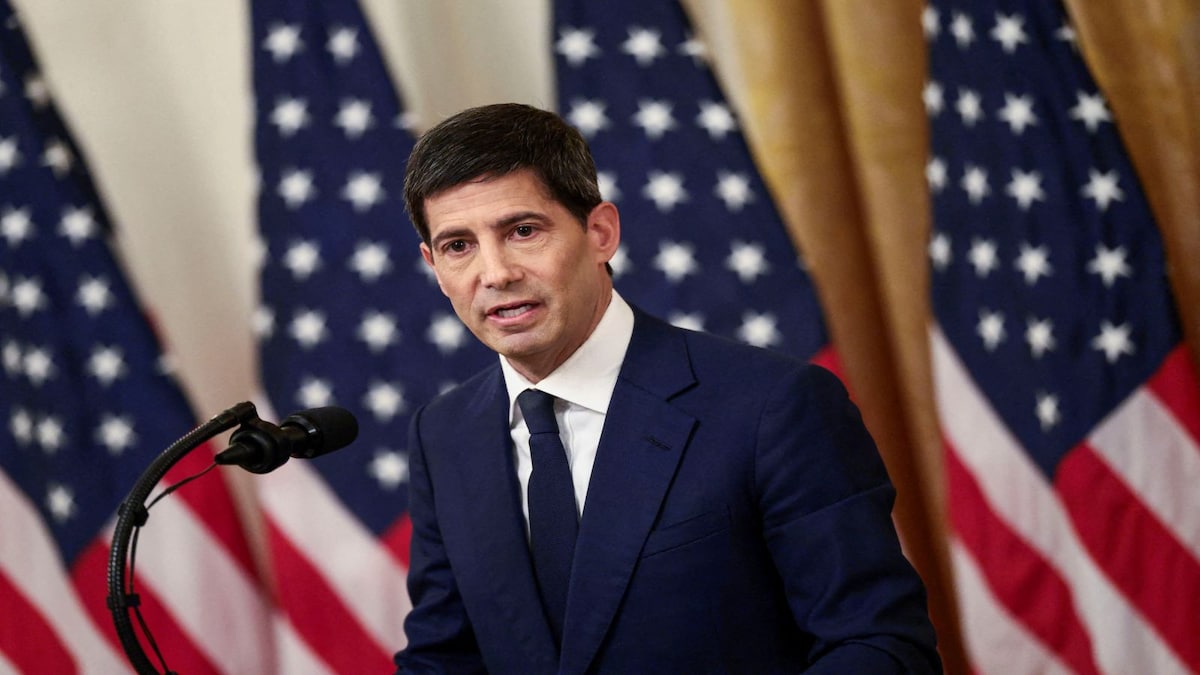
“I hope that within nine to 12 months, we will be employing new technologies to gain insights into the real economy in a timely, real-time manner, enabling us as central bankers to make more informed decisions. We will no longer need to rely exclusively on data from government agencies that suffer from mismeasurement problems and outdated surveys,” Warsh stated at a monetary policy forum in Portugal. “The data I favor is on the horizon, and if we perform our duties well, a year from now we will have identified data that aids in our decision-making.”
The Fed currently utilizes a diverse mix of government, private, and internal data, both public and confidential, to monitor the economy and ascertain its trajectory as it aims to set interest rates that support employment and control inflation.
Warsh has been critical of the Fed’s reliance on official data that may lag or misrepresent the current situation. He attributes the persistently high inflation, which has exceeded the target for over five years, to poor data leading to flawed Fed decisions.
While Warsh’s colleagues at the Fed generally argue that they mitigate the risk of being misled by data that may be revised or not reflect current conditions by analyzing trends over time—which Warsh also acknowledged on Wednesday—he avoided delving into the implications of recent economic reports for monetary policy.
They assert that their outreach to business leaders and organizations nationwide, summarized in the Fed’s Beige Book, helps them monitor real-time economic changes that may take longer for official data to capture.
On Wednesday, Warsh announced that he would start naming members of his five new task forces next week, one specifically dedicated to exploring new data collection sources and methodologies.
Warsh’s desire to lessen dependence on government data coincides with the impending appointment of a new chief at the U.S. Bureau of Labor Statistics, who has pledged to address technical issues affecting the reliability of key economic reports.
One of these reports, the monthly jobs data, is scheduled for release on Thursday.
U.S. President Donald Trump dismissed the former BLS chief for releasing what he described as misleading data after significant revisions indicated that job growth was considerably weaker than initially reported.
Trump’s new choice for the role, Brett Matsumoto, has expressed that he does not believe the data was manipulated, but that its collection processes could be enhanced. Economists note that part of the issue lies in declining initial response rates to job surveys, leading to later adjustments as more responses come in.
The Bureau of Economic Analysis has recently announced a change in its methodology for producing certain inflation data, which is anticipated to result in downward adjustments to its figures in September.
Warsh mentioned that his task force might suggest ways to improve official data, as well as generate more timely information regarding the economy.