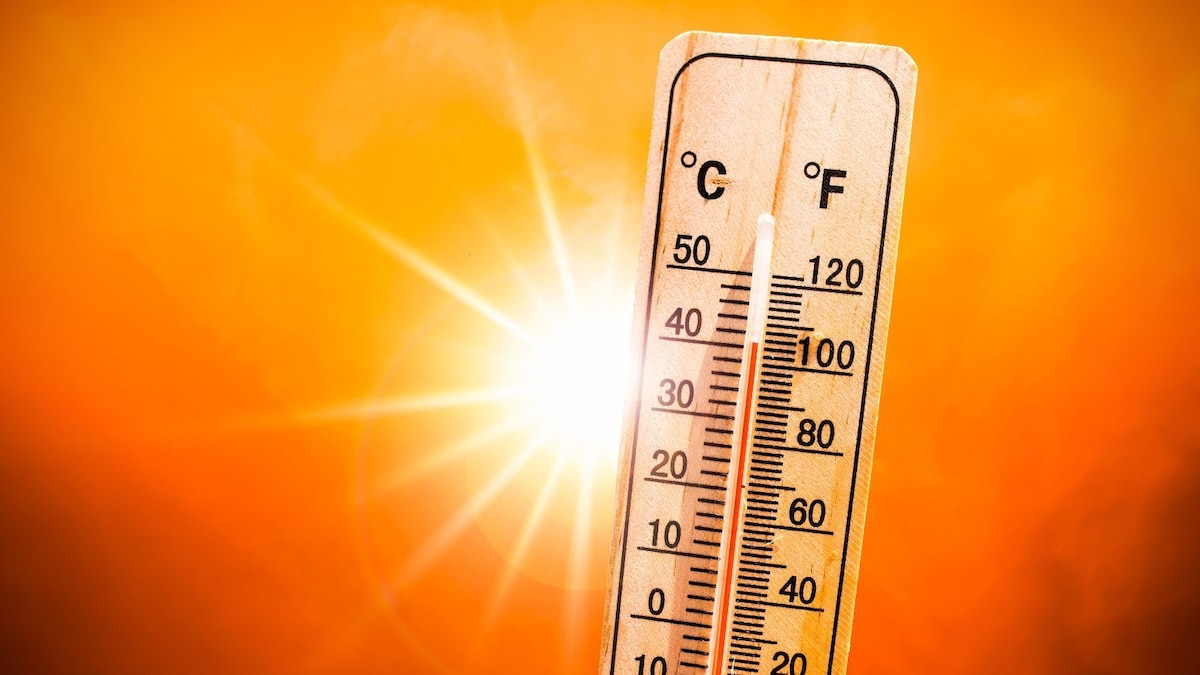
A hazardous heat dome is set to envelop the central and eastern United States this week, causing heat index values—which combine air temperature with humidity—to spike into dangerous triple-digit numbers in certain regions. This will lead to above-average temperatures in World Cup host cities like Boston, Philadelphia, and Kansas City, Missouri, all of which feature open-air stadiums.
“This week is going to be extremely hot,” stated Geoff Cornish, assistant chief video meteorologist at AccuWeather. “We are looking at a major heat wave, one that we don’t experience every year.”
Fears surrounding extreme heat during the games held in the US, Canada, and Mexico have been escalating for months. Intensifying climate change, driven by fossil fuel combustion, is contributing to perilous heat worldwide. According to the National Oceanic and Atmospheric Administration, in the US, heat claims more lives annually than all other weather-related incidents, including hurricanes, flooding, and tornadoes.
Here’s a glimpse of the expected temperatures, the preparations made by cities, stadiums, and FIFA in response to this challenge, as well as tips on staying cool.
The National Weather Service has issued an extreme heat watch for Philadelphia and nearby areas starting Wednesday afternoon and lasting until Saturday (June 27) evening, with dangerously high “feels-like” temperatures—another way to describe the heat index—reaching up to 110°F (43.3°C) during the day. Consequently, FIFA’s Fan Festival in Philadelphia is modifying its hours this week; Saturday’s watch party will conclude after the 1 PM match.
“It’s going to be sweltering and dangerous for anyone spending an extended period outdoors without being prepared for the heat,” warned Cornish.
An extreme heat warning is also in place for Kansas City and other areas of west-central Missouri until Friday (June 26) night, with heat index figures anticipated to rise between 105°F to 110°F (40.6°C to 43.3°C).
The New York City area may experience near-record high temperatures up to 109°F (42.8°C) with minimal nocturnal relief. An extreme heat watch will be in effect from Wednesday (July 1) afternoon through Saturday (July 4) evening.
“Such high temperatures can be lethal for those lacking adequate cooling and hydration,” the National Weather Service noted, also indicating potential impacts on transportation and electrical and water infrastructures.
The heat index in Boston and much of southern New England could soar to 111°F (43.9°C), with weather alerts beginning Wednesday morning.
Players have medical personnel on hand, enjoy three-minute cooling breaks during each half, and benefit from various heat safety measures. Nevertheless, even top-tier athletes are susceptible to exertional heat illness.
This condition occurs when body temperature rises excessively, accompanied by significant strain due to intense exercise on a hot day. Symptoms can include extreme fatigue, decreased performance, headaches, irritability, nausea, dizziness, cramping, and dehydration. Exertional heat stroke demands immediate medical intervention and ranks as the third leading cause of death among athletes.
Heat also diminishes game intensity. Athletes adapt by reducing sprinting, covering less distance, or being more cautious. A 2023 survey by World Athletics, a global sports federation, revealed that 75% of athletes reported negative effects of climate change on their health and athletic performance.
For spectators, volunteers, and workers, the highest risks could stem from fan zones, transit routes, parking lots, and outdoor events where prolonged heat exposure is more likely. Many soccer enthusiasts may be drinking alcohol while watching the World Cup, which poses additional risks under such temperatures.
Several cities and stadiums are enhancing access to shade, cooling areas, and water for both spectators and workers, and have announced plans to issue heat warnings. Medical staff will also be present at FIFA Fan Festivals and around stadiums during matches to handle heat-related illnesses.
Staying hydrated, seeking shade or air conditioning, and avoiding sun exposure are key strategies for protection against heat. If you need to be outside, wear lightweight, loose-fitting clothing and avoid intense activities during peak heat hours. Utilize cooling fans or towels and enjoy slushies or icy drinks.
Limit alcohol consumption and hydrate prior to extreme heat conditions, advised Maggie Aldousany, associate clinical professor in the Department of Kinesiology and Sport Sciences at the University of Miami.
“It’s important to understand that waiting until you feel thirsty isn’t enough,” she emphasized, adding, “Whether attending a game in person, celebrating in your hometown, or having a backyard barbecue, ensure you are mindful of hydration even days in advance, not just the morning of or during the event itself.”
Spectators can monitor their hydration status by checking the color of their urine—a light yellow is a positive indicator.
Those on certain medications, older individuals, and those without heat acclimatization are at heightened risk.
“If someone notices they are hot but not sweating, or begins to feel dizzy, those are signals they should take a break, find cool shelter, and drink plenty of water,” advised Cornish. “If significant symptoms arise, seeking medical attention promptly is crucial.”
The Associated Press receives support from the Walton Family Foundation for coverage of water and environmental policies. The AP is solely accountable for all content.