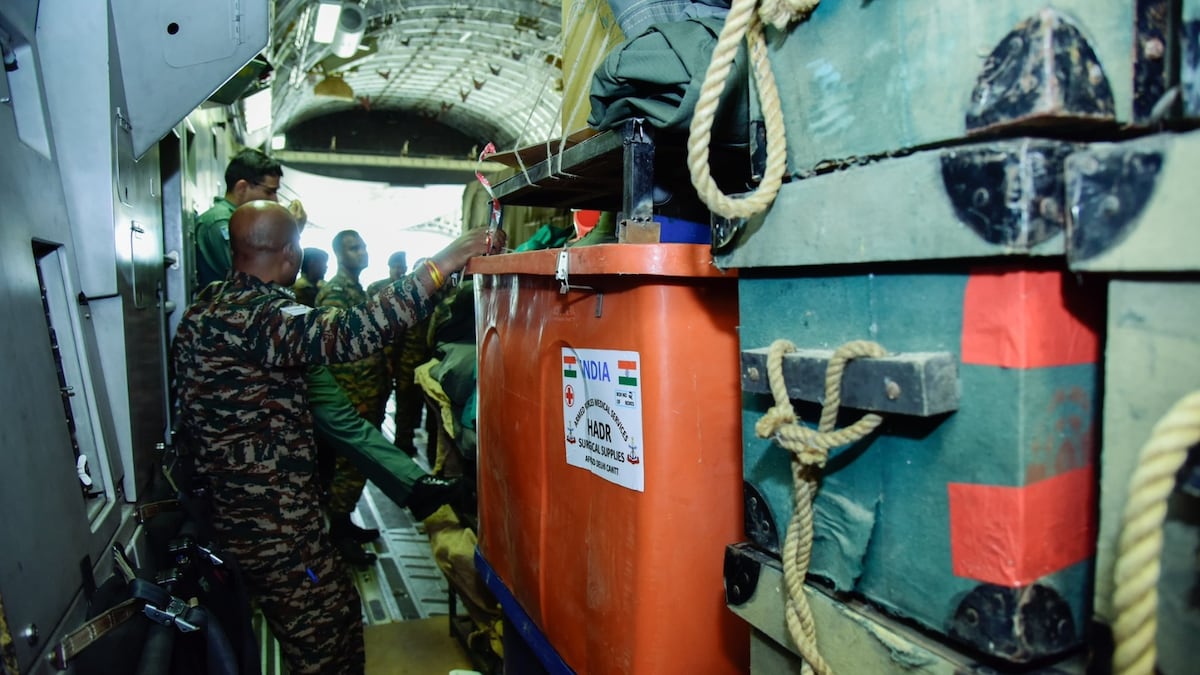
Two C-17 aircraft from the Indian Air Force are currently en route to Caracas, transporting more than 35 tons of relief materials as part of what New Delhi has designated as Operation Amistad.
External Affairs Minister Dr. S. Jaishankar confirmed the operation on X, stating that the package includes an Indian Army Field Hospital Unit, 6 tons of medical supplies and equipment—among them two BHISHM Cubes, India’s portable field hospital systems—along with personnel from the National Disaster Response Force (NDRF) and the 60 Para Field Ambulance unit of the Indian Army.
“India is dedicated to assisting the Government and the people of Venezuela during this challenging time,” he wrote.
Operation Amistad underway!
Two @IAF_MCC C17s took off today for Venezuela with urgent assistance to support their post-earthquake relief efforts.
The assistance includes an Indian Army @adgpi Field Hospital Unit and over 35 tons of relief supplies, medicines, and medical… pic.twitter.com/Dcq8P065tp
— Dr. S. Jaishankar (@DrSJaishankar) June 26, 2026
The twin tremors occurred on the night of June 24, near San Felipe in the Yaracuy state, approximately 160 kilometers west of Caracas. The first quake, with a magnitude of 7.2, was followed by a 7.5 magnitude mainshock just 39 seconds later—marking the most powerful earthquake in Venezuela since 1900.
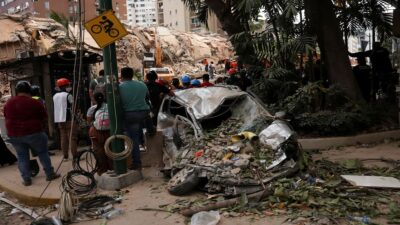
Photographs depicted collapsed buildings and destroyed roads in Caracas, while the coastal region of La Guaira suffered particularly severe damage. Over 49,000 individuals were reported missing, and the USGS’s PAGER system indicated that the death toll could potentially surpass 100,000.
Acting President Delcy Rodriguez declared a state of emergency, closed the Caracas airport, suspended metro services, canceled schools, and ordered the shutdown of gas supplies to avoid explosions in partially collapsed structures.
She also initiated a request for $200 million from the International Monetary Fund (IMF). Tremors were felt as far away as Colombia, northern Brazil, Aruba, Curacao, and the Dominican Republic.
The extent of the disaster highlights Venezuela’s precarious geological position. The nation is located within a boundary zone between the Caribbean and South American tectonic plates, traversed by the active Bocono-San Sebastian-El Pilar fault system, which extends more than 1,300 kilometers.