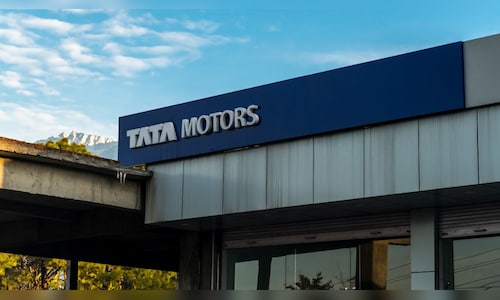
During his address to shareholders in the company’s annual report for 2025-26, the chairman remarked that advancements in digital technologies and AI are revolutionizing the design, experience, and support of mobility products.
Chandrasekaran, also the chairman of Tata Sons, pointed out that the shift towards clean energy, rising safety expectations, and the reconfiguration of global supply chains are reshaping competitive landscapes.
He added that geopolitical tensions and uneven economic recovery are creating additional complexities, making agility and resilience essential capabilities. “The transition to cleaner mobility demands a mix of electric, hydrogen, and cleaner ICE technologies. As we expand our portfolio of zero-emission electric commercial vehicles, we will also keep investing in hydrogen technologies for heavier-duty applications,” he stated.
The Tata Motors chairman expressed confidence that the company is well-positioned to maintain its profitable growth trajectory, supported by a robust balance sheet, improving returns, and a focus on resilience.
“Our commitment will remain on achieving industry-leading growth, profitability, and returns, backed by disciplined capital allocation to address emerging mobility trends,” Chandrasekaran mentioned.
He noted that these trends encompass digital-driven solutions, connected vehicle technologies, advanced driver assistance systems, data-driven fleet services, and new-age powertrains—capabilities essential for the future of safe, efficient, and intelligent commercial mobility.
“In the year 2025-26, your company achieved its highest ever revenues of ₹83,855 crore, compared to ₹76,359 crore in FY25, reflecting a strong year-on-year growth of 9.8%,” Chandrasekaran stated in the letter.
Profitability improved further, with the automotive division delivering a return on capital employed of 72.3%, one of the highest in the global commercial vehicle sector, he informed shareholders.