

 1 / 7
1 / 7The 2026 FIFA World Cup promises to be a groundbreaking edition, marking significant changes. It will be the first tournament to feature 48 teams and 104 matches, held across three nations. This event will allow new countries to debut in the World Cup, showcase advanced technology in officiating, and introduce novel aspects in the final. Both on and off the pitch, the tournament aims to highlight football’s expanding global reach and its evolving nature. Here’s a glimpse at some of the remarkable firsts that will shape the FIFA World Cup 2026. (Image Source: Reuters)
 2 / 7
2 / 7Set to be the largest tournament ever, FIFA World Cup 2026 will see an increase in participating teams from 32 to 48, welcoming 16 new nations. Additionally, the match count will rise from 64 to an unprecedented 104, offering greater chances for teams and fans. A notable alteration in the knockout phase is the introduction of a Round of 32, a significant shift from the traditional Round of 16 that precedes it. This expansion represents a pivotal change in the World Cup’s design. (Image Source: Reuters)
 3 / 7
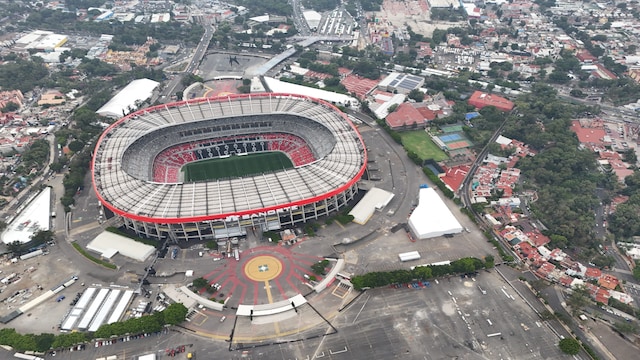
3 / 7In a historic milestone, Mexico will become the first nation to host three men’s FIFA World Cups in 2026. Having previously hosted the tournament in 1970 and 1986, with the Estadio Azteca as the focal point, Mexico’s legacy continues. The 1970 World Cup is celebrated for Pelé’s brilliance, while the 1986 tournament is remembered for Diego Maradona’s exploits. As Mexico welcomes the World Cup again in 2026, it adds another significant chapter to its footballing history spanning over five decades. (Image Source: Reuters)
 4 / 7
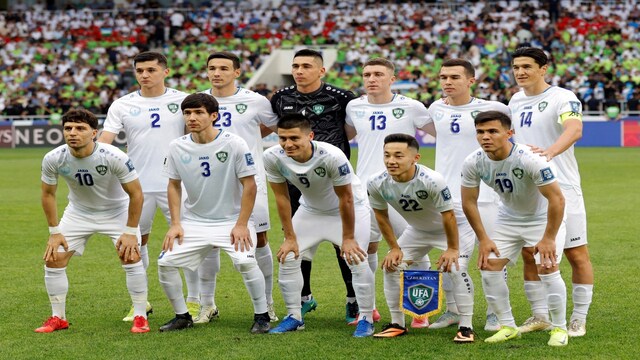
4 / 7The increase to 48 teams will allow nations that have never qualified for a FIFA World Cup to participate. Among the countries making their debut are Uzbekistan and Jordan from Asia, as well as Curaçao from South America and Cape Verde from Africa. For these nations, qualification symbolizes a monumental achievement, granting them the chance to compete on the sport’s grandest stage for the first time. The expanded format enhances accessibility to the tournament while introducing new narratives, ensuring FIFA World Cup 2026 will showcase fresh talent alongside established footballing nations. (Image Source: Reuters)
 5 / 7
5 / 7Advancements in technology will play a pivotal role in the FIFA World Cup 2026. For the first time, real-time digital player models will assist AI-driven officiating during matches. This system will utilize 3D player avatars to aid referees in making quicker, semi-automated offside decisions. FIFA anticipates that this innovation will bolster accuracy in crucial moments and minimize human error. As football adopts technological enhancements, the 2026 World Cup is set to exhibit an officiating system among the most sophisticated witnessed at a significant international sporting event. (Image Source: Reuters)
 6 / 7
6 / 7Following the example of the Super Bowl, the final of FIFA World Cup 2026 is set to present the tournament’s inaugural official halftime show. Proponents of this addition believe it will enhance football’s global appeal, draw in new audiences, and elevate the World Cup into a major cultural spectacle. Detractors, however, express concerns that the emphasis on entertainment could overshadow the sport itself. (Image Source: Reuters)
 7 / 7
7 / 7The FIFA World Cup 2026 is set to leave a legacy not only through the matches played but also through the historic milestones it introduces. With an expanded format featuring 48 teams and a record number of 104 matches spread across three host nations, alongside debuting countries and pioneering technology, this edition represents a transformative shift in World Cup history. It promises to blend tradition with innovation, bringing forth more teams, more fans, and a wealth of new stories into the spotlight. As the biggest event in football progresses, FIFA World Cup 2026 is poised to be one of the most revolutionary editions the sport has ever encountered.