Deputy Prime Minister Sheikh Saoud bin Abdulrahman Al Thani expressed at an Asian defense conference in Singapore on Saturday that a permanent fee would burden consumers, and Qatar rejects any initiative to impose such fees. However, he noted that temporary charges aimed at purposes like mine clearing could be up for negotiation.
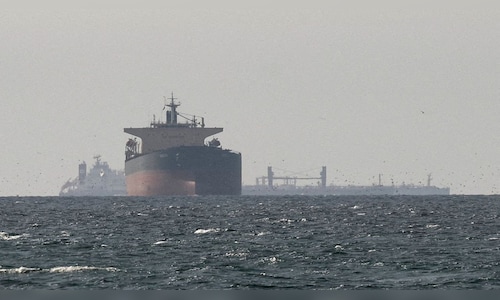
These remarks followed a question regarding discussions between Iran and Oman about establishing a permanent toll system to regulate maritime traffic in Hormuz, a crucial global trade route. Iran has effectively blocked access to the waterway in retaliation for US-Israeli airstrikes that commenced in late February, leading to an energy crisis.
“Qatar and our Gulf partners have explicitly stated that imposing fees will always affect consumers, and we stand against this,” Sheikh Saoud declared at the Shangri-La Dialogue. “However, if the intention is to utilize the fees for mine-clearing or similar temporary purposes, this is negotiable.”
The US, European nations, and Middle Eastern countries such as the United Arab Emirates have dismissed any proposals for tolls on passage through Hormuz.
In response to US strikes, Iran has targeted its military allies in the Gulf, including Qatar, with drone and missile attacks. Qatar is navigating its relationships with both countries while striving for a unified approach within the Gulf Cooperation Council to address Iran, the deputy prime minister noted.
“Our goal is to establish a clear strategy and cohesive approach with Iran, covering all aspects of our relationships, including trade and political strategies,” Sheikh Saoud stated.
First Published: May 30, 2026 2:14 PM IST