Renewed optimism for a resolution to the West Asia conflict seems to be emerging, with Trump asserting that a deal is ‘largely’ negotiated. Nonetheless, significant points of contention between the US and Iran persist. Stay tuned for the latest updates on the West Asia war.
This led to a nearly 7% drop in crude oil prices amid expectations that tensions in West Asia might ease, potentially allowing for the full reopening of the Strait of Hormuz, a critical chokepoint for about one-fifth of the world’s oil supply.
The ongoing war has intensified worries over inflation and decelerating economic growth globally.
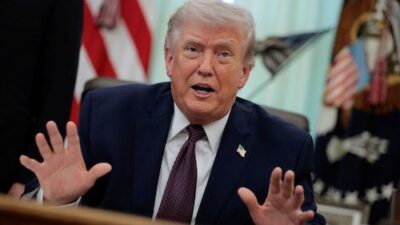
Trump indicated that the proposed agreement was discussed during calls with Gulf leaders, including Turkish President Recep Tayyip Erdoğan and Israeli Prime Minister Benjamin Netanyahu, while a Pakistani delegation was simultaneously in Tehran working to bridge gaps between Washington and Tehran.
However, Iran has expressed caution. Tehran noted that negotiations are in the “finalisation stages” of a memorandum of understanding but raised doubts about the Trump administration’s reliability in upholding any commitments, citing what it described as frequent shifts in the US position throughout the negotiations.
According to sources cited by Reuters, the proposed framework could evolve in three phases: a formal conclusion of the conflict, a resolution to the Strait of Hormuz crisis, and a 30-day negotiation period for a broader agreement that could be extended later.
Despite the surge in diplomatic efforts, Trump warned earlier today that he would make a decision on Sunday regarding the resumption of military actions against Iran if negotiations falter. “Either we reach a good deal or I’ll blow them to a thousand hells,” Axios quoted him as stating.
Keep following CNBC-TV18’s live blog for the most recent updates on the war in West Asia, currently under the strain of a fragile ceasefire.